When my husband and I got married in July 2007 purchasing peonies wasn’t an option. They were out of season. But I remember gardens all over Anchorage with gorgeous peonies in July and August. I ended up using someone’s garden peonies for my own bouquet.
It wasn’t until August 2013 when I was leafing through an Alaska Airlines Magazine that I learned how unique Alaska peonies really are.
Peony farms have since sprouted up all over the state from Nenana to Homer to Wasilla and have cornered the global peony market from mid to late summer.
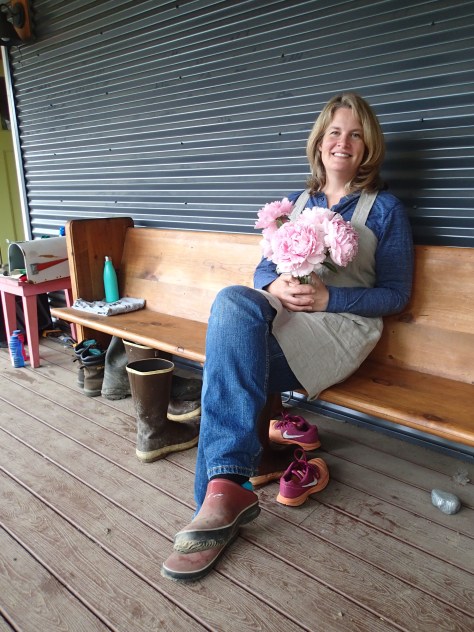
I recently had the opportunity to take a tour of Alaska Blooms Peony Farm and learn about these special flowers from owner Rachel Christy.
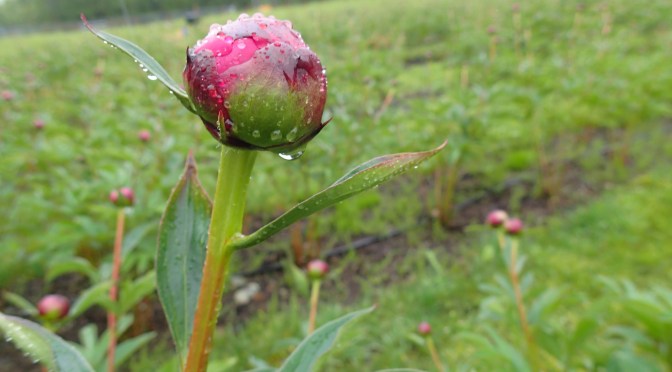
My son and I embarked on a rainy Sunday outside the city of Wasilla to a cabin where thousands of peony buds were growing in the front lot.
Many brides I work with are Alaskan through and through and ask to have bits of Alaska incorporated into their flowers. This makes my job even more fun because I get to forage from the forest. Today’s wedding was full of forest ferns.
Hannah and Dylan’s wedding had a vintage vibe. As I was dropping off the flowers Hannah’s aunt arrived in a black A-line with a fascinator that belonged to her grandmother.
I really believe Alaska is a big state with a small-town feel. When I first met bride Ali at our consultation I realized I had taught her French when she was in middle school.
After a few descriptions of her floral vision and some Pinterest photos I was pretty excited to work on her and her fiancé’s wedding.
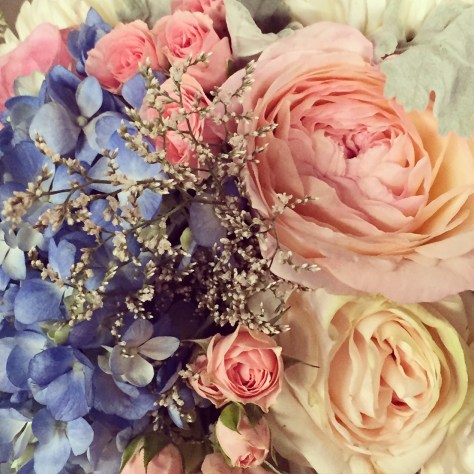
Blush, cream, pink, pale blue — a soft palate with exquisite blooms from garden roses to peonies.
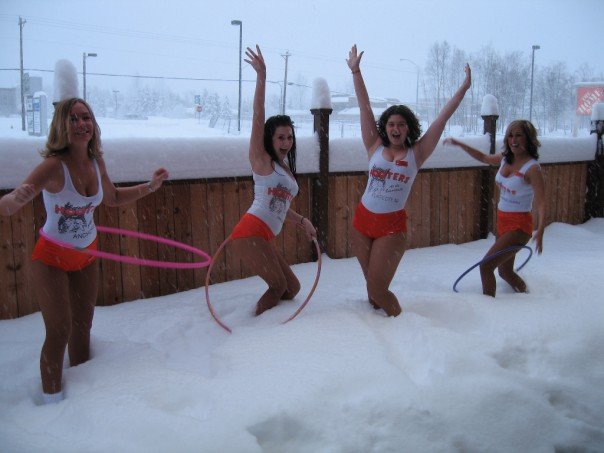
Anchorage winters have changed. When I was younger I remember making snow forts, sledding and snowmen. On Halloween I’d have to wear a snow suit over my costume (or choose a warm costume such as a bear or a flapper girl moose). I remember yearning for the city plowers to pile a mountain of snow at the top of our driveway (we were at the cusp of a different subdivision so the city plows would stop at our house and leave all the extra snow in our driveway, much to my dad’s distress).
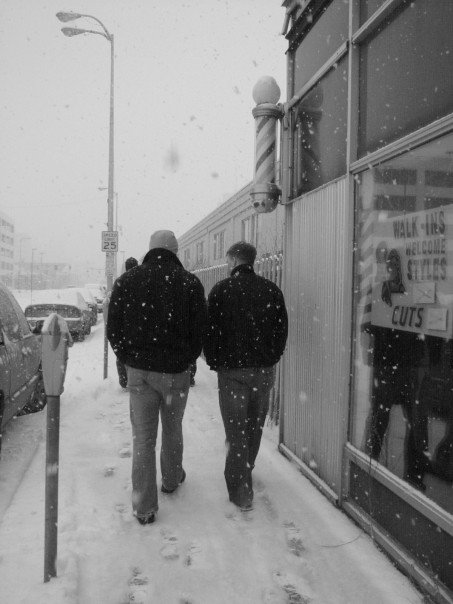
Christmas photo outtake, circa 1995Building a snow tunnel, 2008Former northernmost Hooters in the United States. Yep, I’m in there.Walking down 4th Avenue in Anchorage, 2006
The past few years have been much different. There’s no more snow. The famous Iditarod sled dog race start was relocated to snowier Fairbanks last year. It’s just lame – the cold with no snow. My mother-in-law bought our son an amazing wagon with interchangeable sled runners. We eagerly installed them two years ago and never used it.
I’m not the only one bemoaning the changes. Anchorage’s mayor said that street lighting in inadequate these days because we used to rely on the snow’s reflection to see better during the dark winter months. Ski races have been postponed and cancelled.
It’s a real bummer when you have a small child who wants so badly to participate in winter activities.
But yesterday, finally, we got a few inches of the fluffy white stuff. Our son couldn’t have been more thrilled. I mean, LOOK at the joy in his little face:
So here’s to a real, bona fide Anchorage winter. Let’s get some more snow now!
Welcome, Hallmark Channel fans! If you’re looking for answers about Garland, Alaska feel free to read my post about it below. I do hope you’ll find it informative and I encourage you to poke around my site for fun recipes, crafts, tutorials and more.
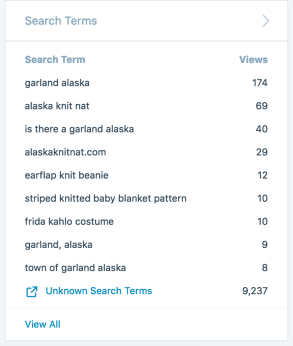
I don’t pay much attention to what people search for to find my blog, but for the past year something has consistently caught my eye.
At least twice a week someone finds my site by searching “Garland Alaska.”
In fact, it was the most searched term on my site in 2016. More than 10,000 people found my site in 2016 because of Garland, Alaska.
Sometimes people look up “Is there a Garland, Alaska?”
I was mystified, so I finally did some Facebook crowd sourcing.
About three minutes later I had my answer. Turns out there was a Hallmark Channel made-for-TV-movie in 2014 called “Christmas Under Wraps,” which takes place in a fictional remote town of Garland, Alaska and stars Candace Cameron Bure (most famous for her role of D.J. Tanner on “Full House”).
Fictional, folks, fictional. There is no town in Alaska with that many brick buildings or with leaves on the deciduous trees in the middle of winter. But if there’s one thing the film got right (and I finally did watch it), it’s that shipping things to Alaska is often a huge hassle!
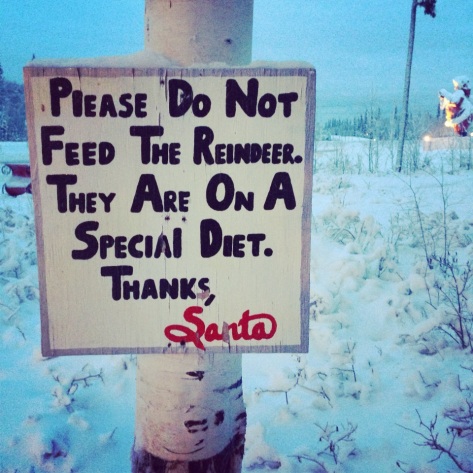
And for the record, Santa lives in North Pole, Alaska. You can send him your wish list here.
Here’s a photo I took last time I visited North Pole:
Happy holidays!
Due to copyright infringement, I am unable to display a photo of the cover of this Hallmark movie, so here is a far cuter public domain photo.
I love how small Alaska is even though it’s the largest state. When groom Lee told me he was from Unalakleet I was positive he would know our old family friends from there. Turns out Lee is their nephew. After making a couple of other personal revelations I felt an instant connection to this couple.
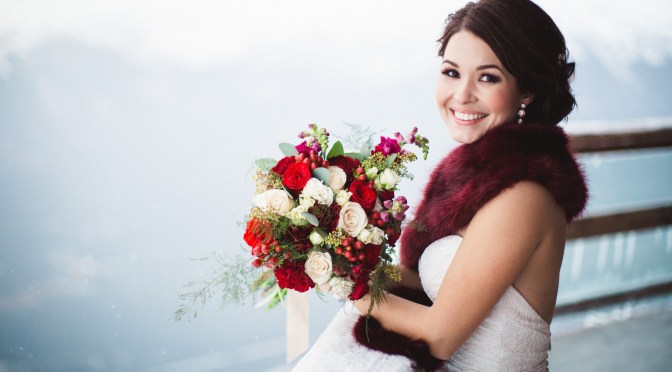
Chelsea and Lee wanted winter wedding themes without it looking like the Queen of Hearts. With burgundy, white and gold as their theme colors I knew I could provide them with festive florals on a budget.
Carnations get a bad rap. I love their ruffles and color versatility. They are excellent filler without making an arrangement look cheap. Thankfully Chelsea likes carnations because there aren’t many burgundy blooms available in Alaska in November.
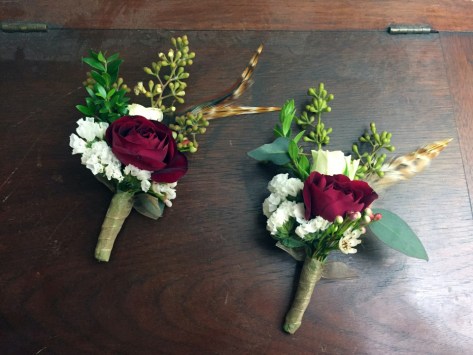
A touch of gold ribbon with these dainty boutonnières was an elegant choice. Made with white and red spray roses, white statice, mini myrtle, white wax flower, eucalyptus and some natural feathers.
Last month I got to create wedding flowers in Arctic Valley. Today I was at the top of Alyeska. What a fun experience! My assistant and I got to cram all the flowers into the tram and ride to the top of the mountain. Audra and Chris are tying the knot at Seven Glaciers Restaurant, a dining experience with unparalleled views of Alaska.
Riding up the tram was a unique floral experience.
The bride selected white hydrangeas, ivory garden roses, white tulips, football mums and blush vadella roses. What a perfect palette for a mountain top soirée — especially since it started snowing as we were setting up!
I’m thrilled to introduce fellow Anchorage blogger, Ashley Taborsky, in this week’s “Harvesting Anchorage.” Ashley is the woman behind Alaska Urban Soil Project where she aims to create an “online community of fellow urban hippies who want to get into Alaskan backyard farming.”
This gal is diving deep into Alaska gardening and I admire her for her tenacity and willingness to try new things.
Throughout the summer I’ve been blogging about how I interact with the wild foods of Anchorage and Alaska, but you’ll notice that I don’t garden. It’s partially due to my hectic working mom/florist/other stuff schedule, part laziness and also that I don’t have an easily accessible water source in my yard (ok, this equates to laziness. I just don’t want to stretch my hose to the other side of my lawn where we actually get sun).
Ashley is obviously more determined than I am to produce her own food and it appears that she is succeeding. This is why I thought she would be a great guest to talk about how she harvests Anchorage in her own back yard.
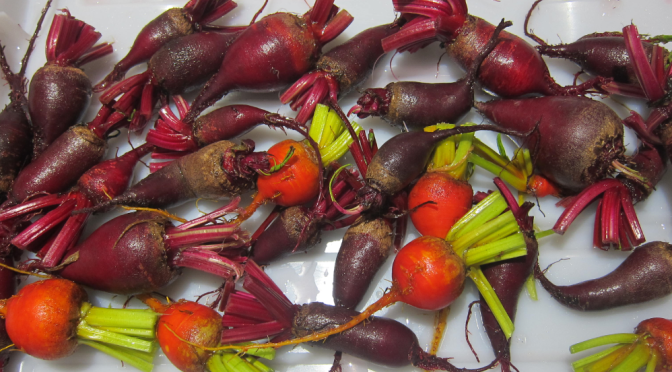
Check out her site for lots of DIY projects and recipe ideas. Today I’ll be passing the mic to Ashley to let her talk about pickling and canning her homegrown beets.
I know it’s a superb fall when I close my eyes at night and all I see behind my eyelids are lowbush cranberries.
Blood-red jewels hug the mossy ground in my secret south Anchorage picking spot. It must have been the warm May weather that caused patches of usually dormant cranberry bushes to produce large, pea-sized berries.
What my family calls lowbush cranberries are, in fact, lingonberries. These short plants can be found in most Anchorage forests. They have round, shiny leaves and if there’s enough sunlight during the summer they bear tart, red berries.
I prefer these to highbush cranberries, which are more watery and have a big, oblong seed in each berry. Lowbush cranberries are opaque and have no seeds. They are also firmer than the highbush variety.
Cranberries are my favorite wild berry to pick because they are durable, highly nutritious and they freeze well. They can also be substituted for any recipe that calls for commercial cranberries.
I once again refer to my mama for this segment of “Harvesting Anchorage.” She’s a pro when it comes to cranberry marmalade. The cranberries have so much natural pectin there is no need to add any of the store-bought kind. This simple marmalade is a perfect addition to any breakfast table.
Cranberry Orange Marmalade
Ingredients:
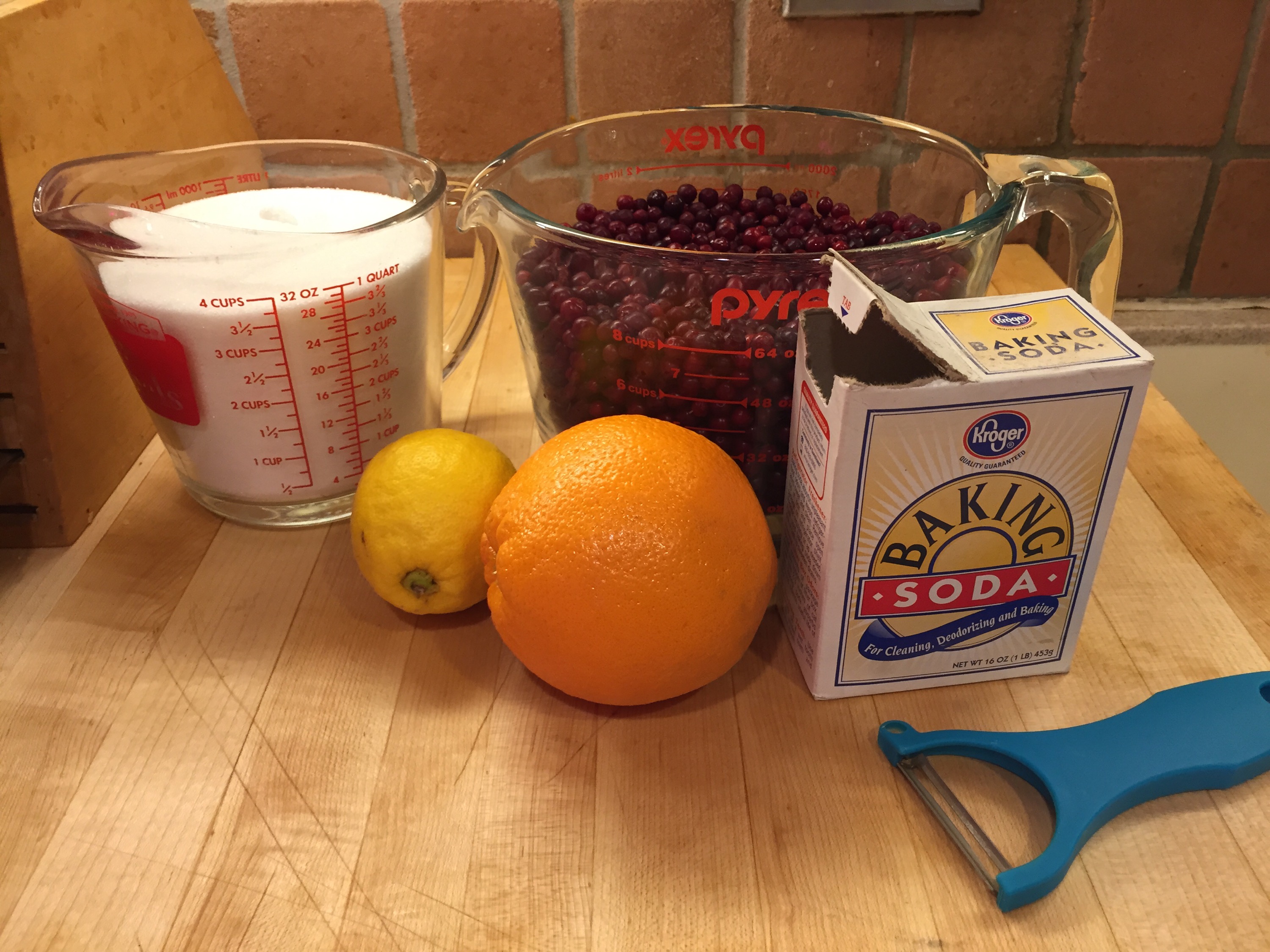
3 oranges (or 2 oranges and 1 lemon)
Water
1/4 tsp. baking soda
8 cups wild lowbush cranberries
4 cups sugar
Directions:
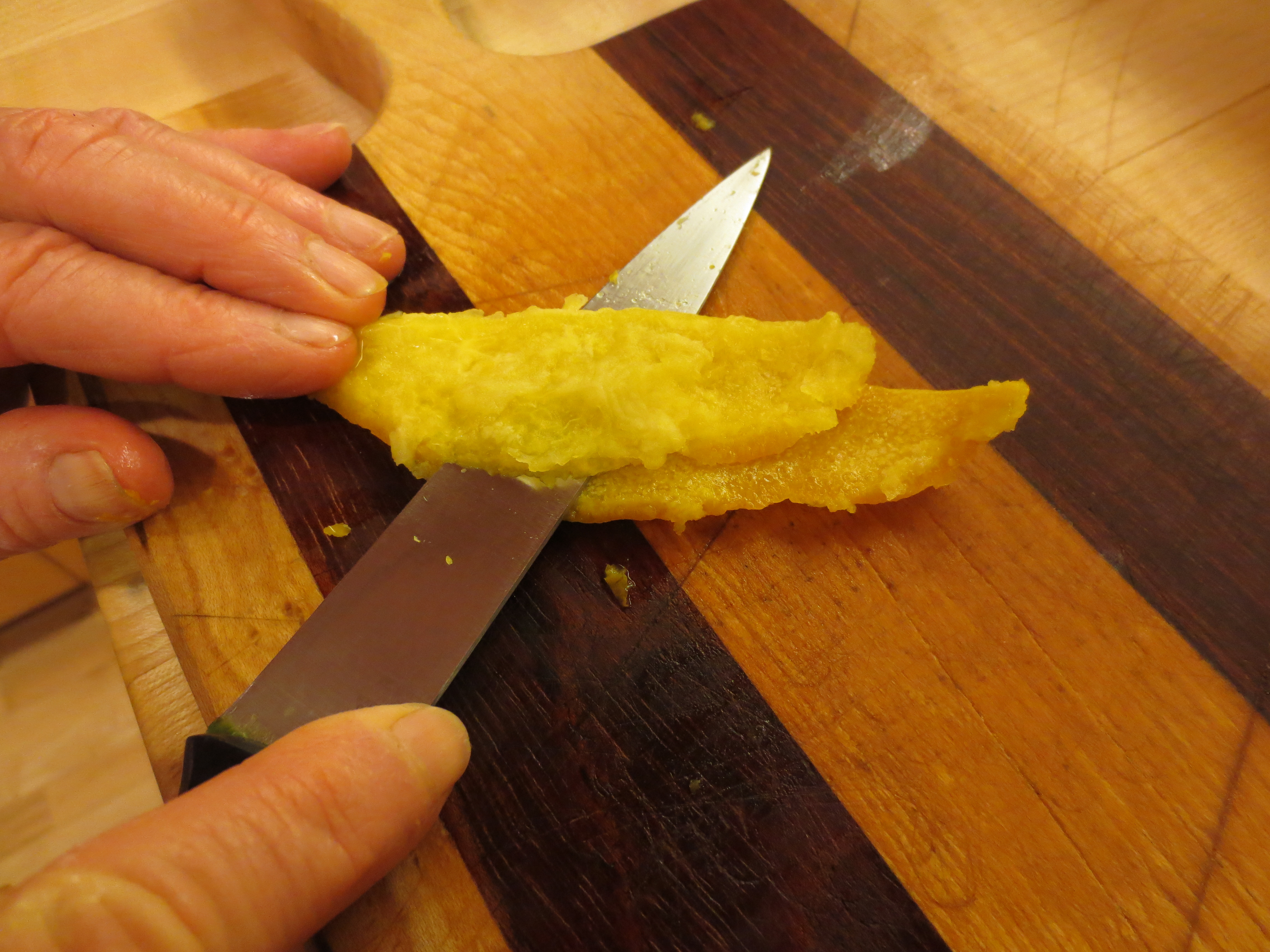
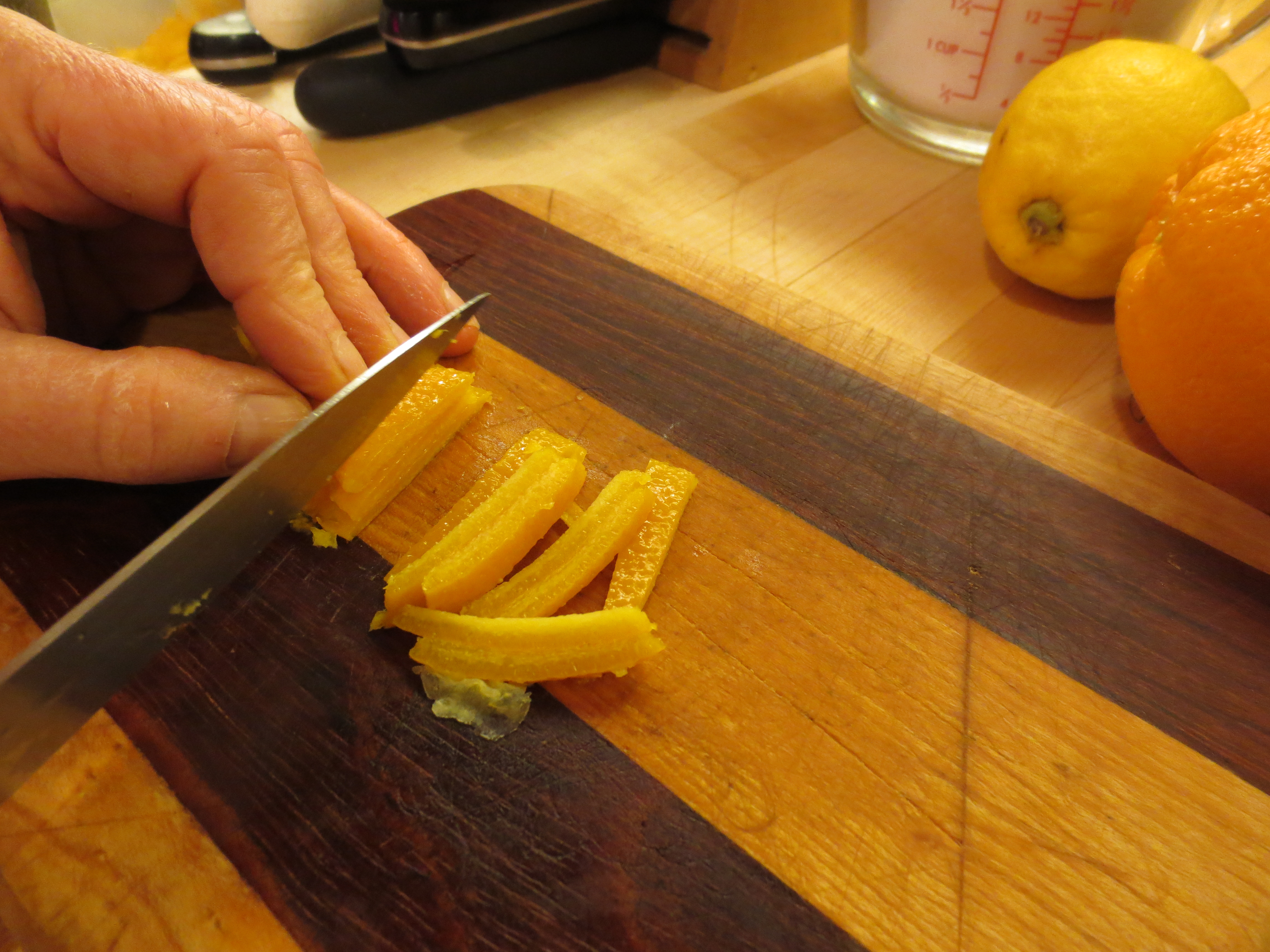
Remove the skins of the oranges in quarters. Cover rinds with water and boil with baking soda for 15 minutes. Shave off as much of the white pith as you can from the rind and slice rind very thin.
An alternative method is to use a vegetable peeler to peel off the rind and slice it. If you choose this method you won’t need to boil the rinds since they are so thin.
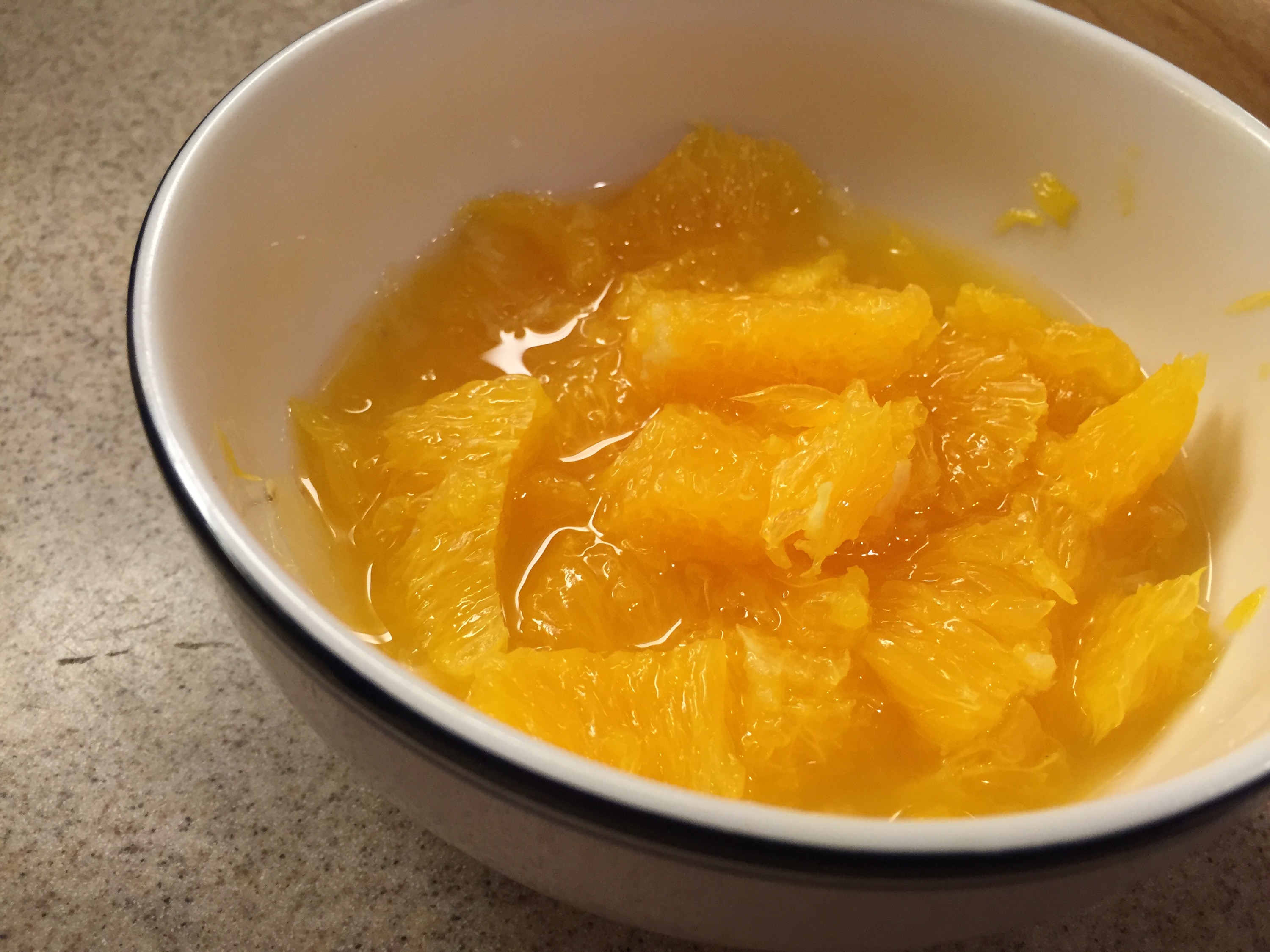
Meanwhile remove the membrane from each orange segment and reserve the pulp in a bowl. Take the membranes in your hands and squeeze the remaining pulp and juice into the bowl. Discard the membranes. If you’re really lazy you could probably use a couple of cans of mandarins, drained and rinsed. I’ve never tried it, but it could work.
Combine pulp, rinds with their water, cranberries and sugar in a saucepan. Boil, stirring often, skimming off any foam.
Let the mixture boil down and thicken, about 15-18 minutes. Take a spoonful of the mixture and pour it back into the pot. If there are lots of frequent droplets, the mixture isn’t ready yet. If the drips are slow and turn into one big droplet, then it’s ready (that’s called “sheeting”). Turn off the heat and place a tablespoon of liquid in a bowl and place it in the freezer for about 3 minutes.
Remove sample from freezer and tip it slightly. The sample should stay put. If the jam slides around the bowl it means it’s not ready yet. Bring the jam back to a boil and continue stirring constantly for another 5 minutes.
Ladle jam into sterilized canning jars with brand-new lids. Fill leaving about 1/4 inch of space at the top. Add the lids and let cool. When you hear little pops that means the lids have sealed. If you’d like more details about canning I recommend this thorough tutorial from The Alaska Urban Soil Project.
Sometimes I just don’t want to plan dinner. Today was the case as I opened my fridge at 5:10 p.m. to figure out what to prepare for my family. I came up with frozen chicken breasts, frozen broccoli, lemon and fresh thyme. I was uninspired, but decided to put the frozen chicken in the pressure cooker and figure it out as I went along.
Then, when my son called me out to the yard to look at the newest addition to his playhouse, the best thing happened: I found two pristine king bolete mushrooms standing proudly under our large spruce trees.
I’ve been waiting all summer for this moment. King boletes are the most delectable of the mushrooms my family gathers and they happen to grow in my yard every summer from late July to early September. For the past three weeks I’ve been checking the areas under the spruce trees for these meaty, delicious fungi. They pop up overnight and you have to pick them when they are fresh otherwise bugs will lay claim to them.
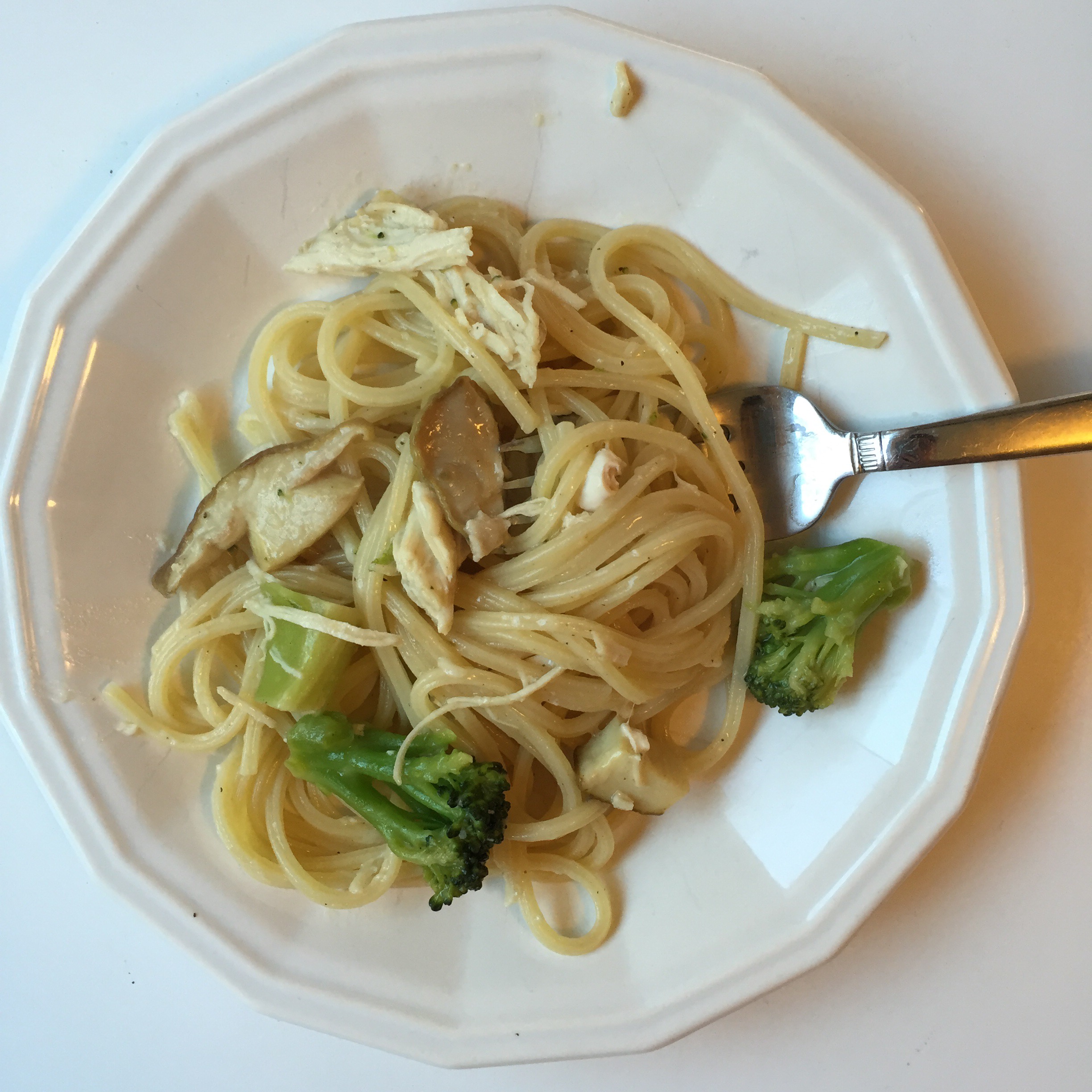
As soon as I cleaned my two treasures I had formed a supper strategy. Lemon, thyme, mushrooms, broccoli, garlic, chicken and pasta — yeah, that’s a good combination. By 6:15 I had a decent meal that was a real crowd pleaser.
Of course you can use store bought mushrooms, but if you happen to have wild porcini, I encourage you to cook them as soon as you can.
Spaghetti & Chicken in a Lemon Thyme Mushroom Sauce
Serves 4
Ingredients:
2 frozen boneless, skinless chicken breasts
1-2 cups chicken stock
1 tsp. lemon zest
1 lemon, sliced
3 sprigs of fresh thyme
Salt and pepper
2 cups frozen broccoli florets
1 tablespoon olive oil
3 tablespoons butter
8 oz. fresh mushrooms, sliced
1/4 cup dry cooking sherry (optional)
2 tablespoons butter
3 garlic cloves, minced
8 oz. spaghetti
1/4 cup freshly grated parmesan cheese
Directions:
Place 1/2 cup of chicken stock in a pressure cooker. Line the bottom of the cooker with lemon slices. Add the frozen chicken, zest, thyme and salt and pepper. Set the pressure cooker to 35 minutes. When it’s done, slice the chicken into bite-sized pieces. Set aside and reserve the cooking liquid as well.
Bring a large pot of salted water to a boil. Cook pasta until al dente, drain and set aside.
Meanwhile, place broccoli and 1/4 cup chicken stock in a large sauté pan. Cover and steam over high heat for 5 minutes or until broccoli is tender. Set broccoli with stock aside.
In the same sauté pan, add the olive oil and 1 tablespoon of butter. Heat on medium-high and add the mushrooms. Sauté until mushrooms have given off their liquid and they begin to brown, about 7 minutes.
Add the garlic and cook for 30 seconds. Pour in the sherry and let it evaporate, about 2 minutes.
Create a slurry with the flour and 1/4 cup chicken stock. Add this to the mushrooms and garlic. Once it’s thickened, add some of the stock from the pressure cooker until it’s a sauce-like consistency. Add some more butter if you want it creamier. Add the drained pasta, broccoli and chicken. Toss until evenly coated. Sprinkle with cheese and serve.
























 Alaska Knit Nat