Category Archives: Sewing

Alaska Knit Nat’s top 6 posts

Today my Facebook page reached 1,000 likes!

Alaska Knit Nat turns 6 | My top 6 blog posts

As Alaska Knit Nat enters its seventh year, I thought it would be fun to dig into the archives and pull up some of my favorite posts from years past.

I started Knit Nat AK in November 2010 with the intention of cataloging my craftiness.

“It’s mainly for my own benefit,” I wrote in my first-ever post. “I make so much stuff I can’t keep track of it all. In addition to knitting (hence the Knit Nat title), I cook, sew and repurpose things. This blog is a catalog of all things Craft.”

So here’s my top 6 posts since 2010. Enjoy!

Continue reading Alaska Knit Nat’s top 6 posts

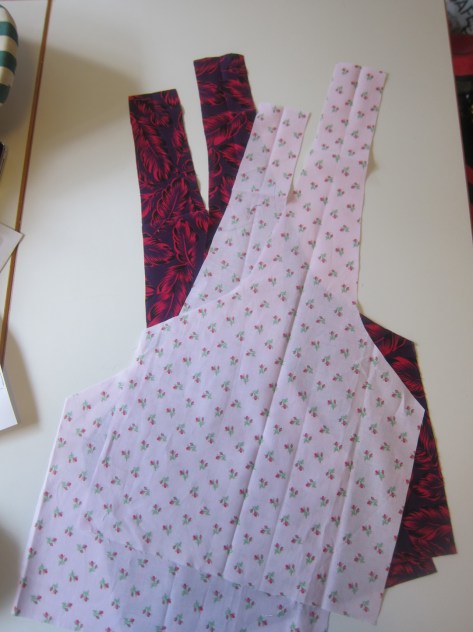
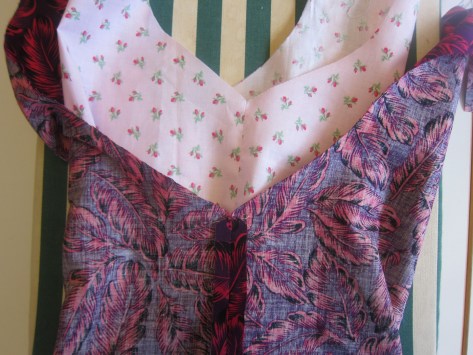
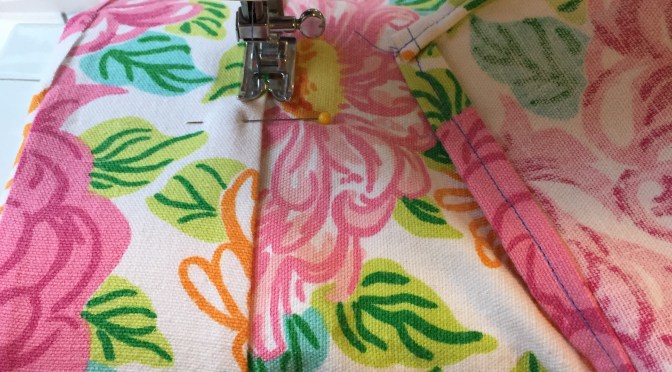
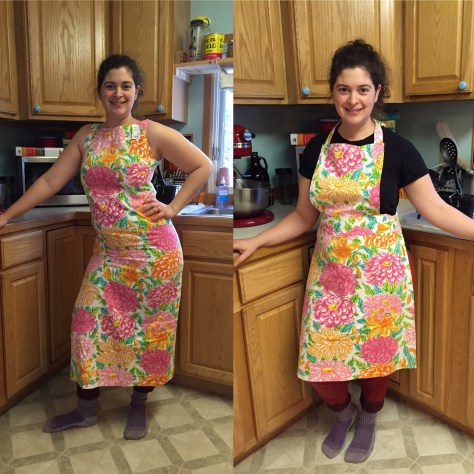
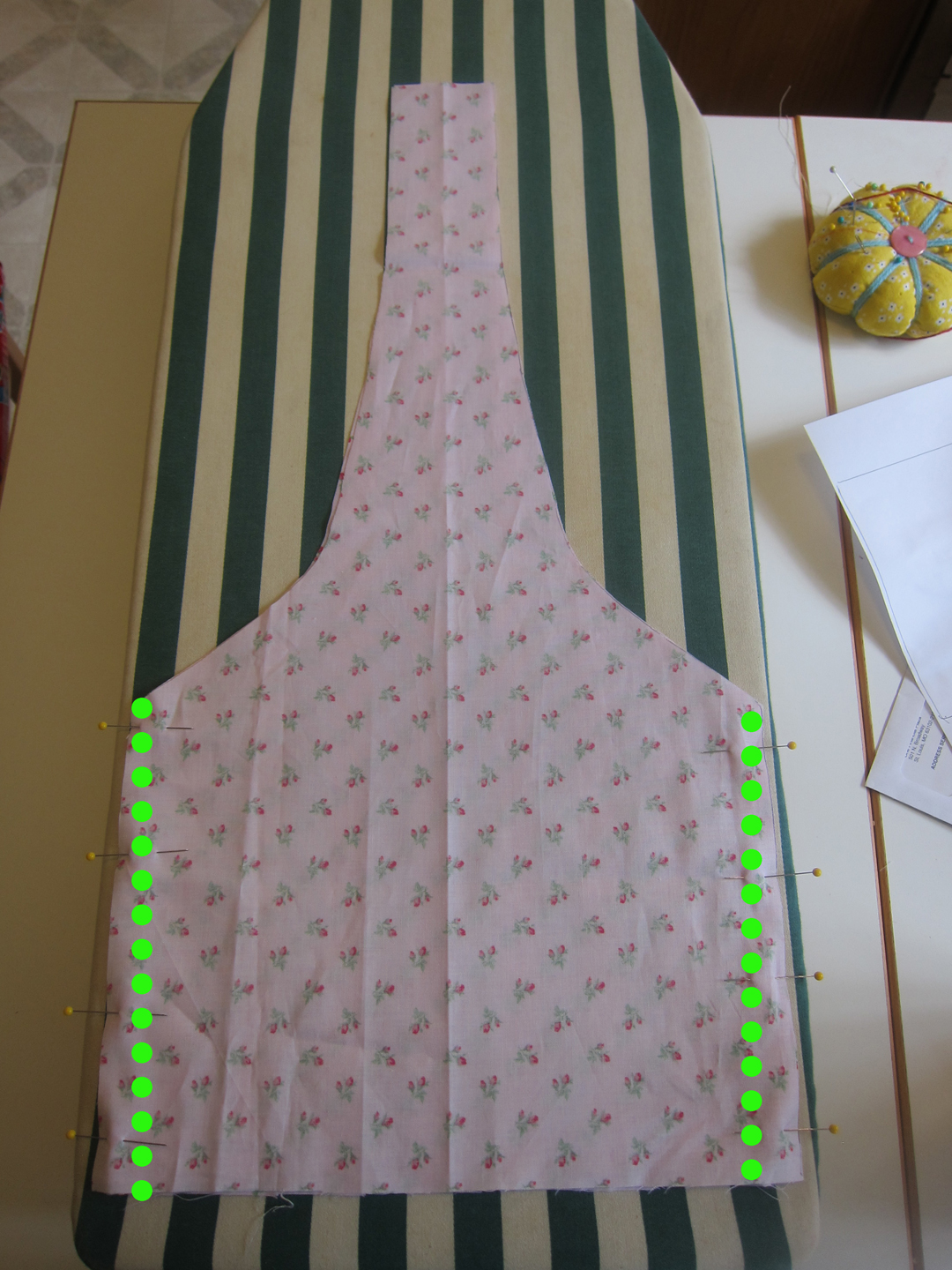
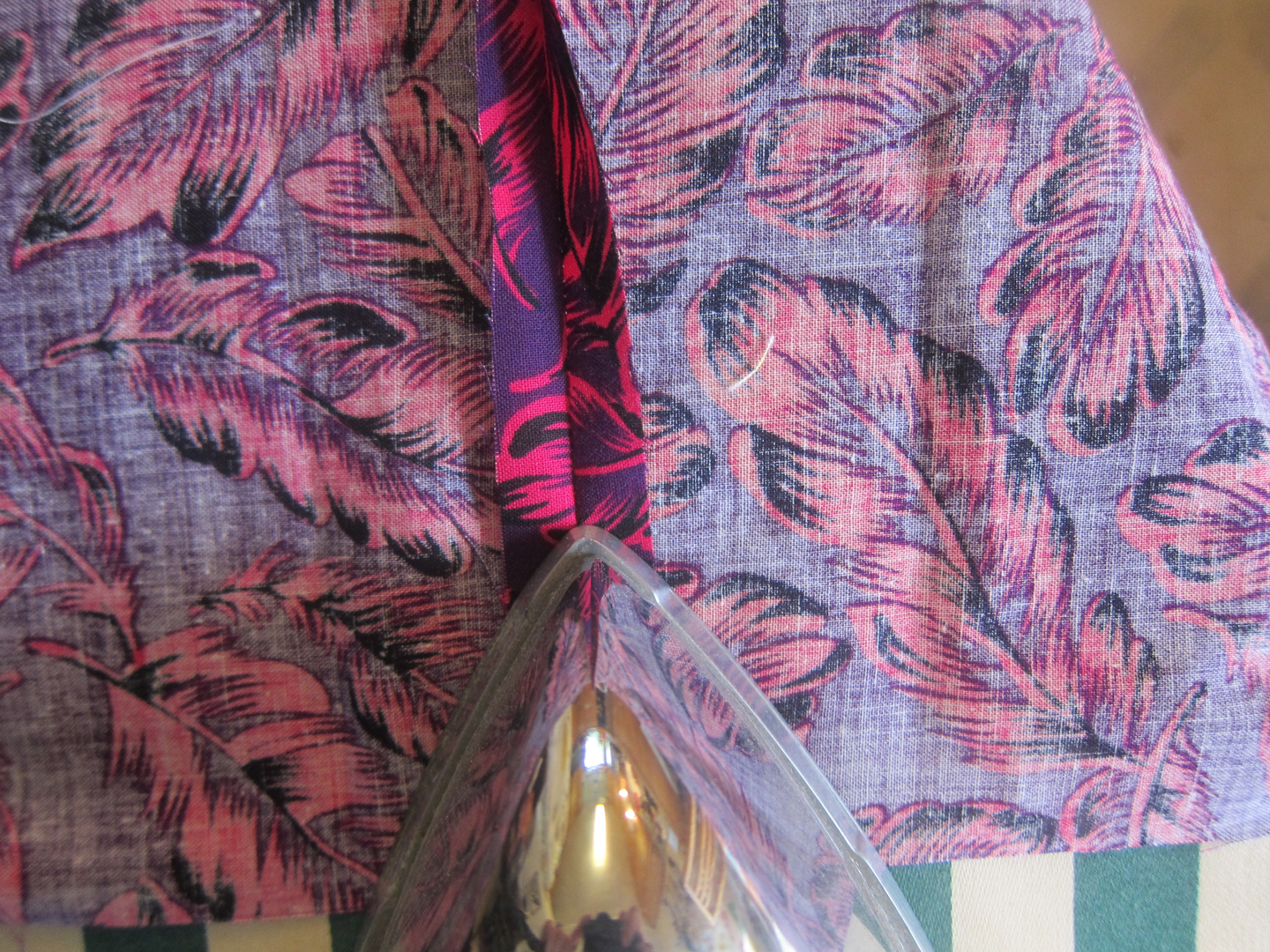
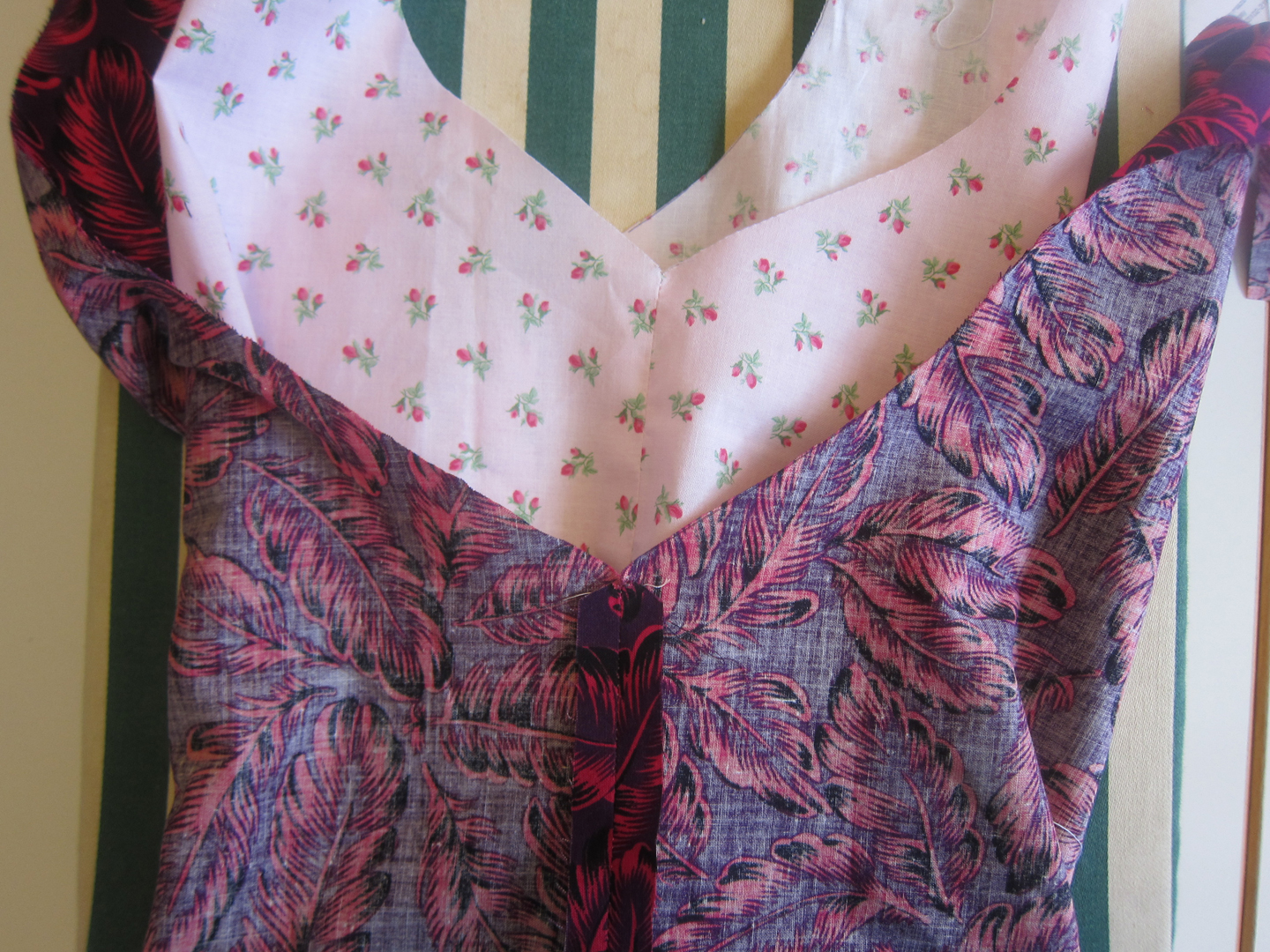
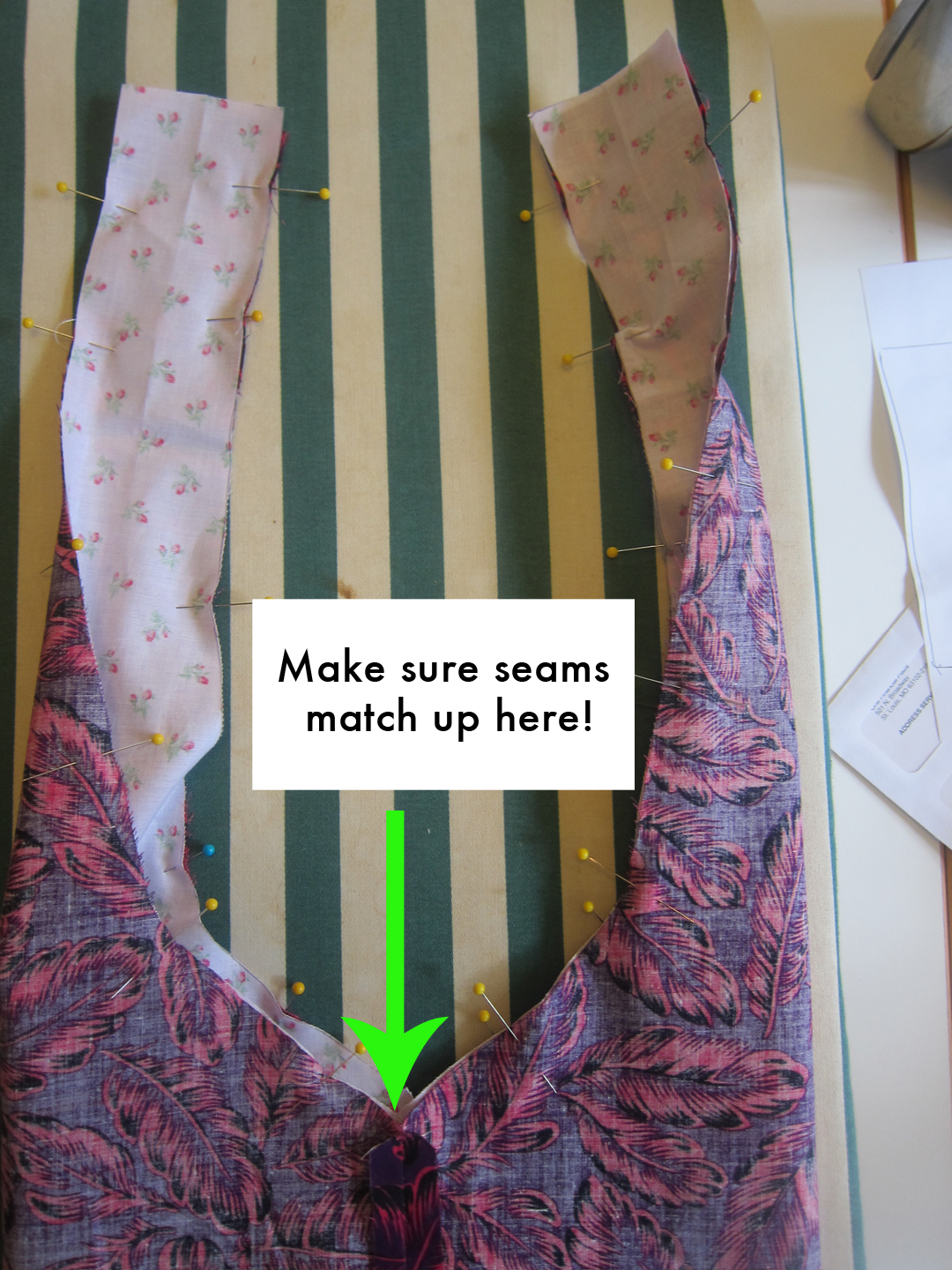
Dress to Apron Refashion – A free tutorial

Sewing is by no means my greatest talent. My mom taught me to sew at a young age, but that doesn’t mean I like it. It’s time consuming to cut out a pattern, cut out the fabric and take out the sewing machine. If I’m going to sew something it’s got to be a two-hour-or-less project.

I love the concept of refashioning clothes; i.e., taking an article of clothing and turning into a different article of clothing. Refashionista is pretty much my sewing/thrifting idol and she’s incredibly cute.

Lately I’ve been noticing gigantic church-lady linen dresses at the thrift shops. My mother loves linen dish towels because they are lightweight and absorbent. I thought about purchasing a linen dress and cutting it into dish-towel rectangles, but the concept didn’t really excite me much.

Last week I saw a lovely linen apron at Anthropologie. I had an “I can make that” moment. I figured an apron was a great way to refashion an old dress.

Years ago I made an apron for my sister and managed to write down the pattern measurements. I have included that pattern in this tutorial. Keep in mind my sewing skills are far from elegant so I’m sure some of you could come up with a prettier apron, but I’m satisfied with what I ended up with and it only took two hours from start to finish.

Be sure to check out the bottom of this post for more clothing refashion tutorials I’ve done over the years.

Refashion a thrift store linen dress into an apron | a free pattern from Alaskaknitnat.com

Continue reading Dress to Apron Refashion – A free tutorial

Oilcloth Coin Purse — A free tutorial

Every time I travel to Mexico I can’t resist buying a meter or two of brightly colored oilcloth. You see it everywhere down there, mostly as cheerful tablecloths. I use it for just about everything. I cover cans with it, I reupholstered my dining chairs and I love to use it for coin purses.

Oilcloth Coin Purse | An easy tutorial from Alaskaknitnat.com

I have a simple pattern for my coin purses. You could use any fabric you like, but since the oilcloth is so thick I don’t have to use any stabilizer. That cuts down on project time, which is good because I have a really short attention span for sewing.

Oilcloth Coin Purse | An easy tutorial from Alaskaknitnat.com

Oilcloth coin purse: a free tutorial from Alaska Knit Nat

Oilcloth Coin Purse | An easy tutorial from Alaskaknitnat.com

Materials:

  • 2, 6×8-inch pieces of oilcloth
  • one long, nylon zipper (9 inches or longer makes it easier)
  • Scissors
  • Sewing machine with a zipper foot
  • chopstick (optional)

Continue reading Oilcloth Coin Purse — A free tutorial

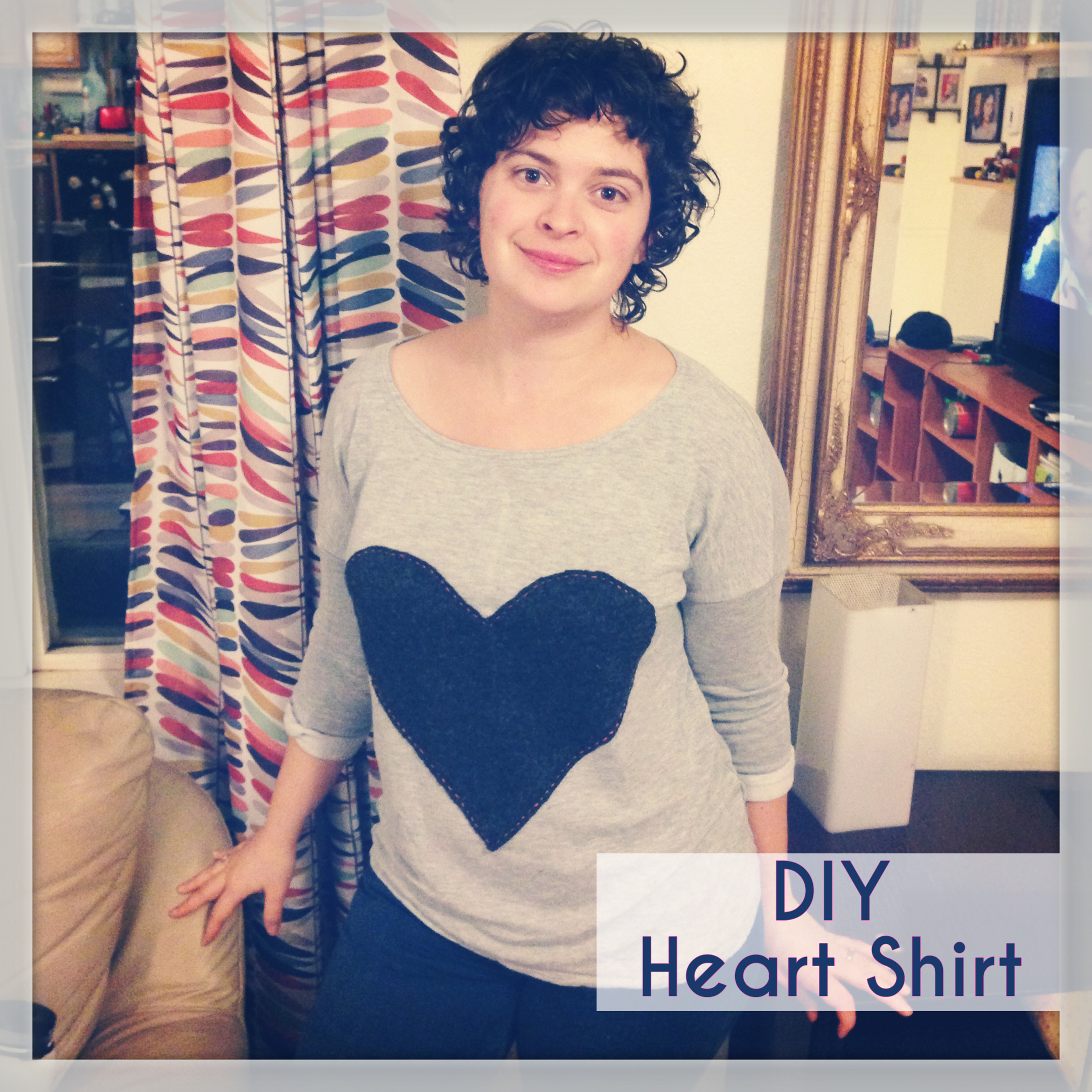
I’ll have a glue, glue Christmas — #8: DIY Heart Shirt

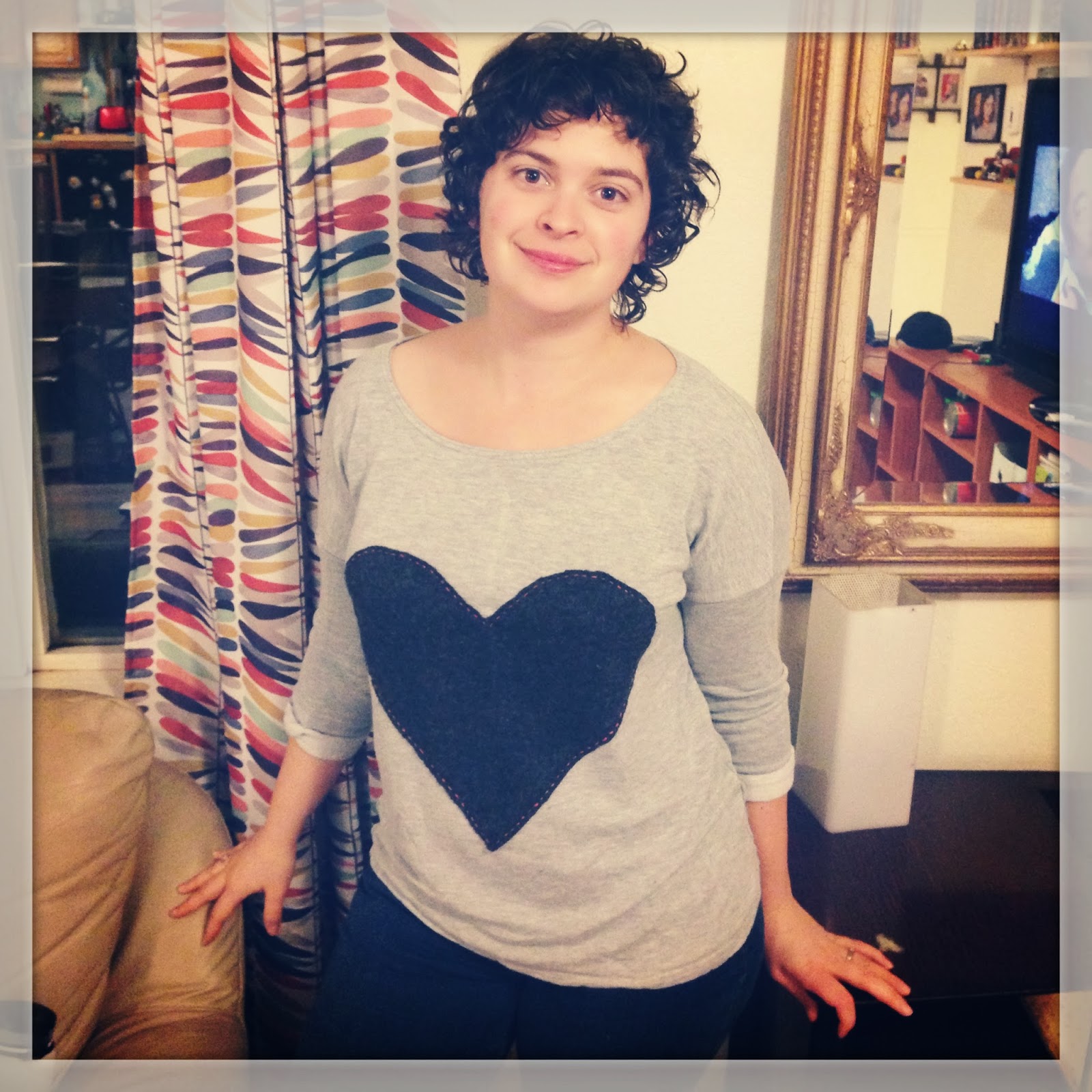
Each year I try to give my two sisters equally awesome handmade gifts that follow a similar theme. I usually make something for myself so we can all dorkily match. Last year was a winner: shirts with giant cashmere hearts.

DIY Heart Shirt | #8 in Alaska Knit Nat's DIY Holiday Craft Guide

This is a low-skill craft. It requires hand sewing, but nothing complicated. I turn to my local thrift shops for blank sweatshirts and cashmere sweaters. Any tight-knit sweater will work if you aren’t able to find cashmere. Mohair or angora might be fun. Be sure to wash and dry your sweater on the hot setting a couple of times to ensure it is completely done shrinking. If you sew on a fresh sweater when you wash the final product the heart will shrink and cause the shirt to tear and bunch up where you sewed it on (I know from disappointing experience).

Quick Craft: DIY Heart Shirt | Alaksa Knit Nat

DIY heart shirt — No. 8 in Alaska Knit Nat’s DIY Holiday Craft Guide

What you’ll need:

  • A blank sweatshirt
  • A sweater you don’t mind massacring (cashmere recommended)
  • Embroidery thread of contrasting color
  • Embroidery needle
  • Double-sided fusible, lightweight interfacing or Stitch Witchery

For the full tutorial, click here.

Tokyo Tie Bag — Free Pattern and Tutorial

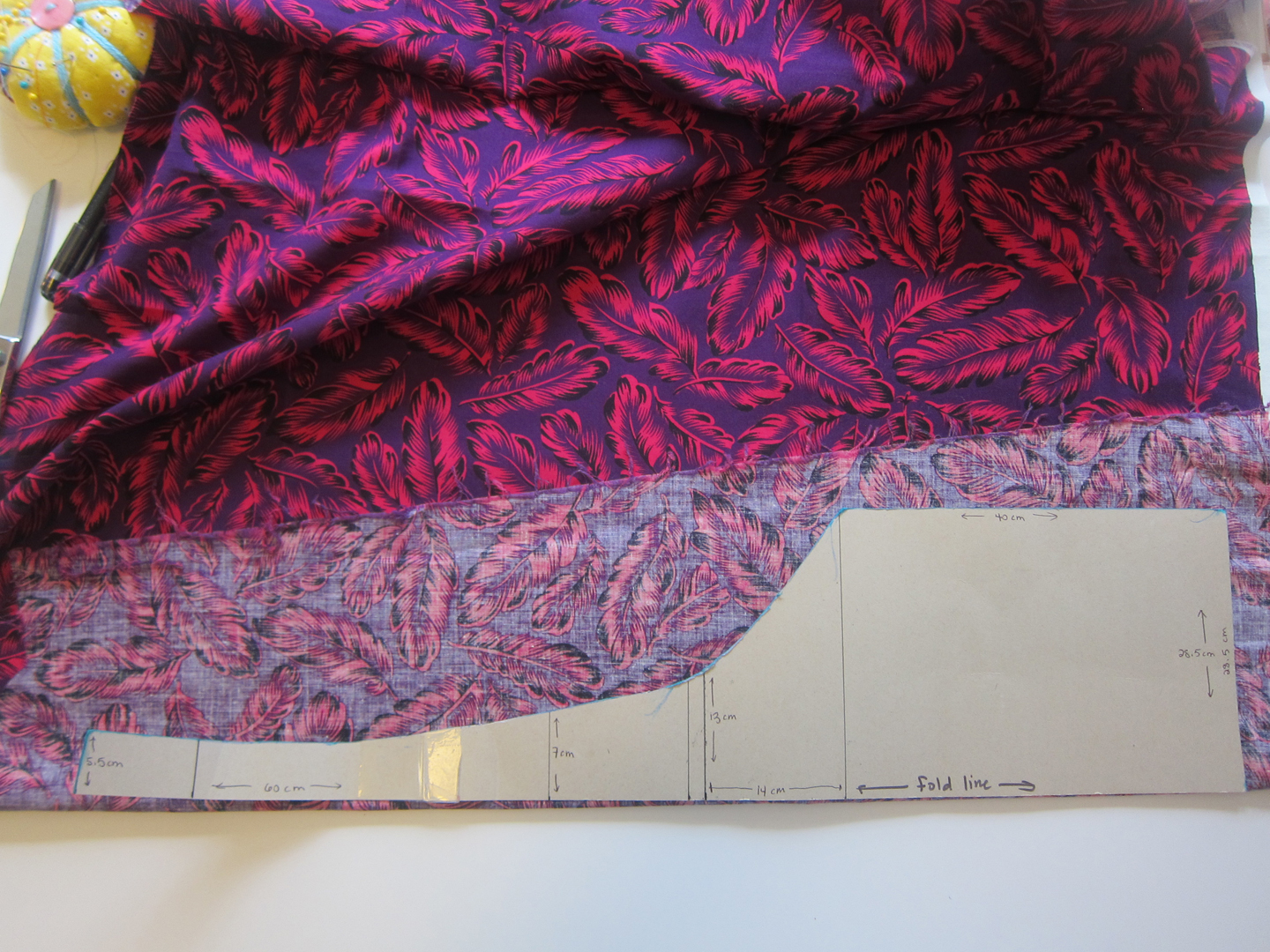
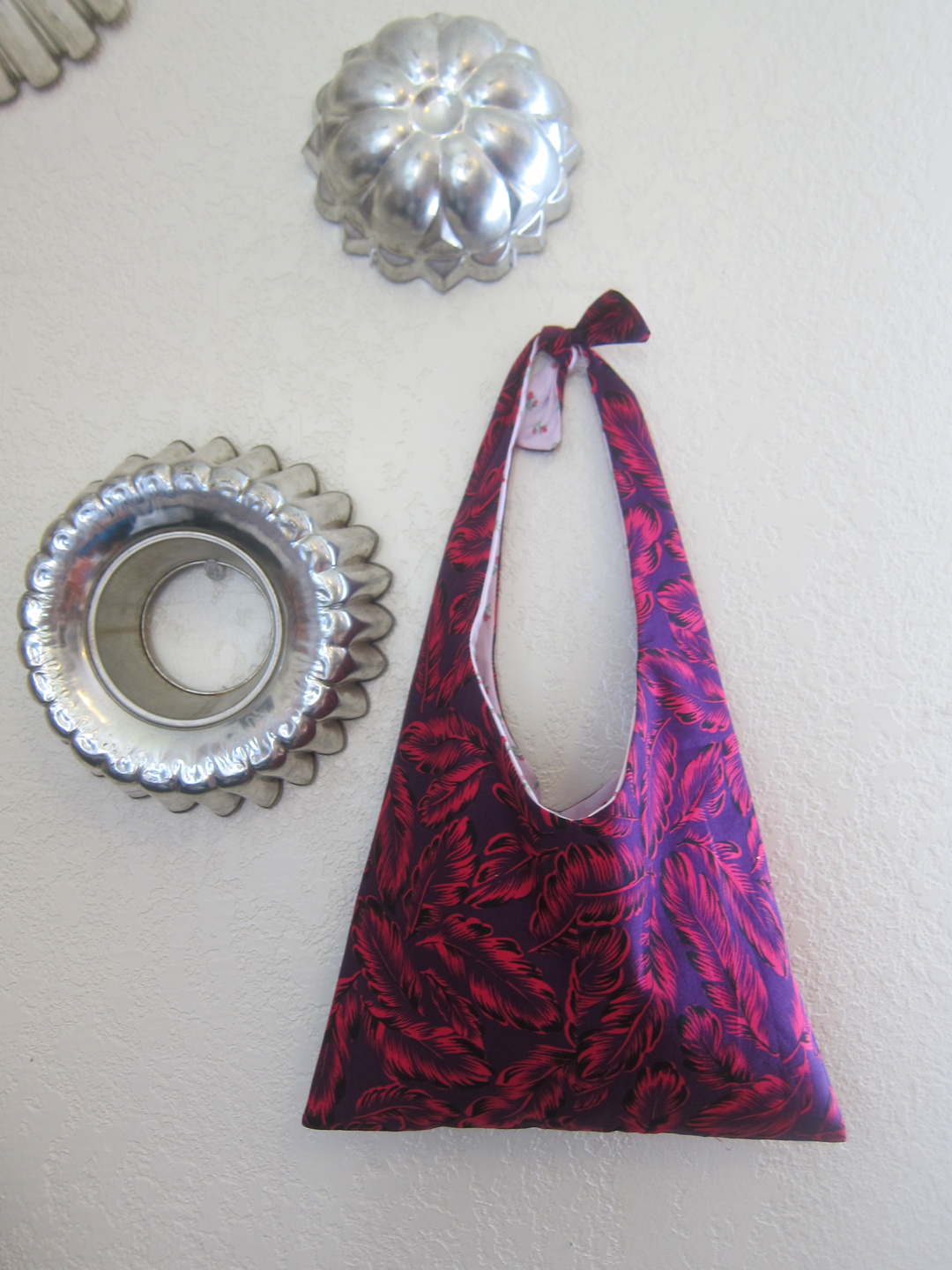
A few years ago I went sewing machine crazy and sewed a couple dozen Tokyo tie bags. I was inspired by a pattern on Darling Petunia’s blog. I never got around to posting my own pattern because I was too caught up in sewing them. My pattern, which I tweaked slightly from Darling Petunia’s, sadly sat in my craft pile for a few years until someone from Mexico emailed me last month and asked if she could buy one. I sewed it, shipped it and was reminded how easy and fun it was to make.

So here I am, three years later, ready to offer a full tutorial and pattern for the Tokyo tie bag. I hope you enjoy making them as much as I do!
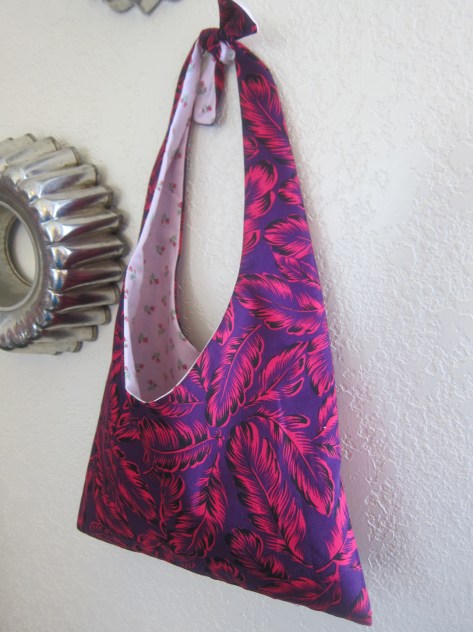
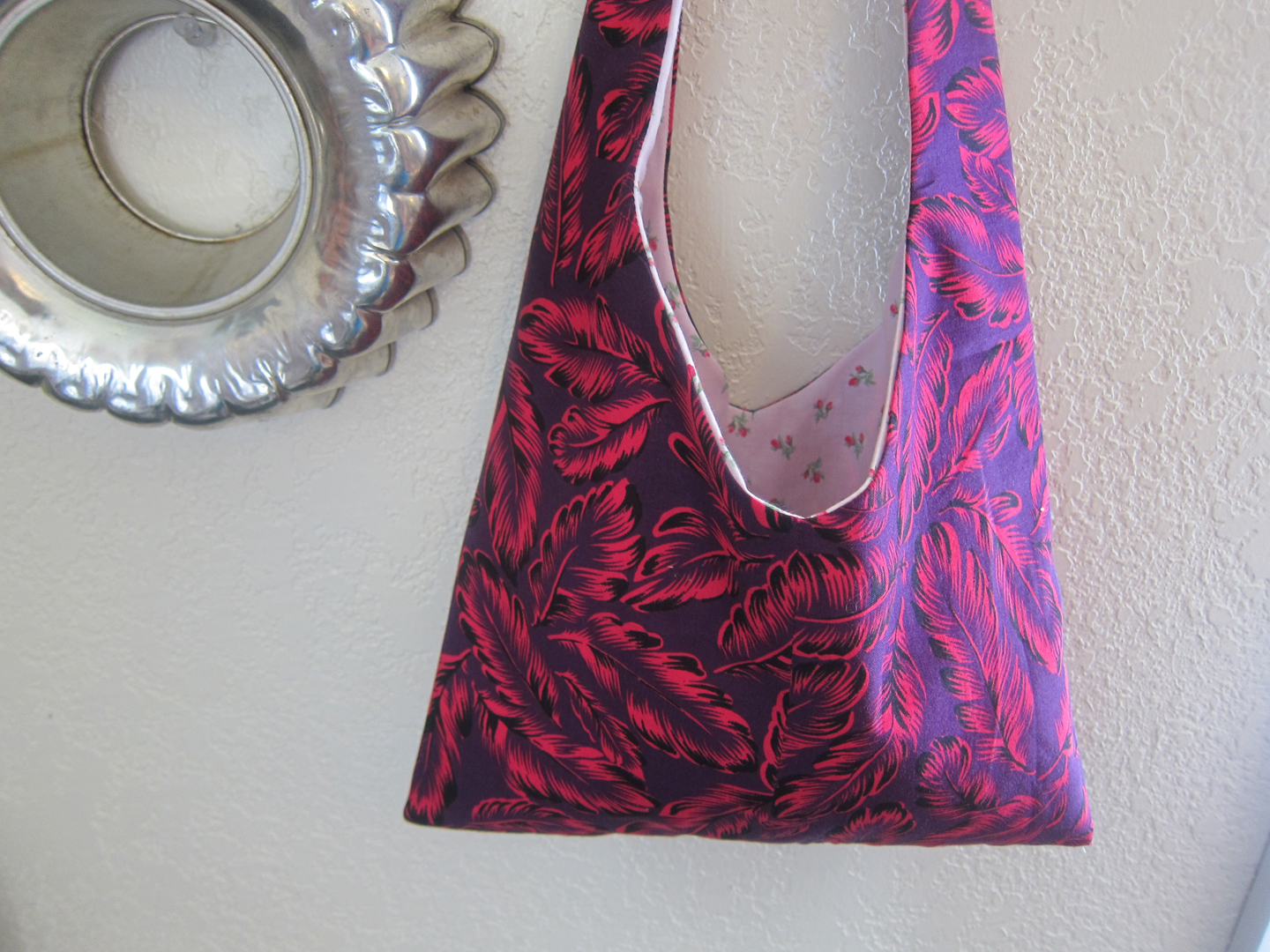
Tokyo Tie Bag -- Free pattern and tutorial from Alaska Knit Nat. Great beginner project.

Tokyo Tie Bag

An easy sewing project that can be completed in an hour

Materials:

3/4 yard each of lining and outer fabric (100% cotton is recommended)

fabric scissors

rotary cutter and board (optional)

Tokyo tie bag pattern 1 & Tokyo tie bag pattern 2 printed at 100% to match the indicated dimensions, cut out and taped together


Directions:
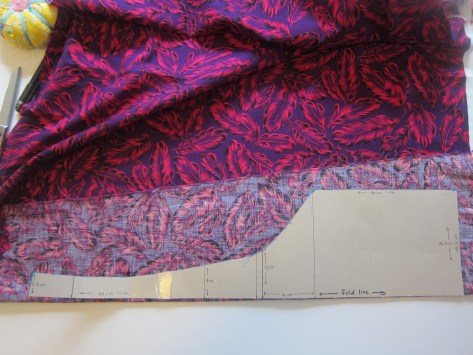
Tokyo Tie Bag -- Free pattern and tutorial from Alaska Knit Nat. Great beginner project. Tokyo Tie Bag -- Free pattern and tutorial from Alaska Knit Nat. Great beginner project.

1. Iron your fabric and cut out two pieces of the pattern from the lining and outer fabrics. If your fabric is directional (meaning it looks different upside down) be sure you cut your pattern so the bottom of the pattern is on the same edge for both pieces. You should have four pieces.
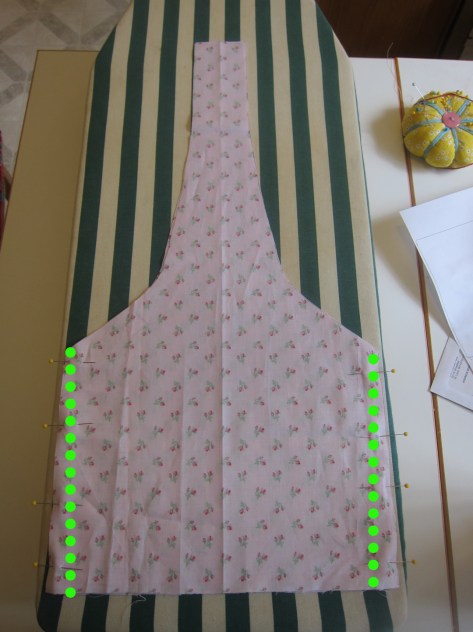
Tokyo Tie Bag -- Free pattern and tutorial from Alaska Knit Nat. Great beginner project.

2. With right sides together, sew each edge of the lining with a  3/8 inch seam allowance. Repeat for outer fabric.
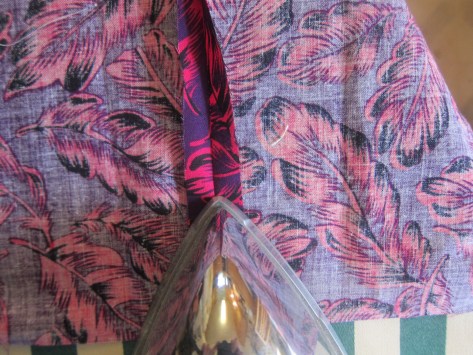
Tokyo Tie Bag -- Free pattern and tutorial from Alaska Knit Nat. Great beginner project.

3. Iron open the seams.

Tokyo Tie Bag -- Free pattern and tutorial from Alaska Knit Nat. Great beginner project.

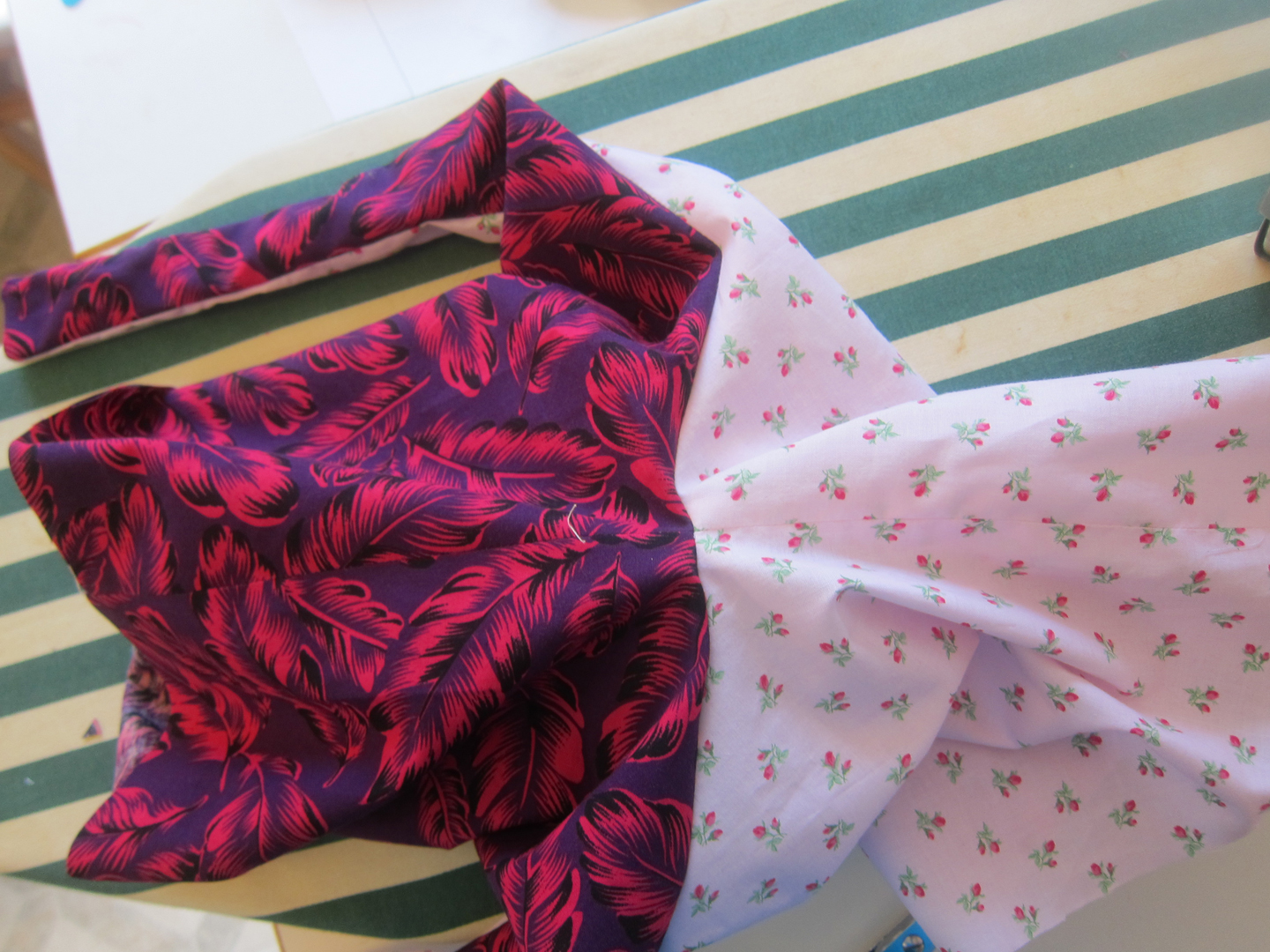
4. Turn your lining right side out and slip it inside the outer fabric.
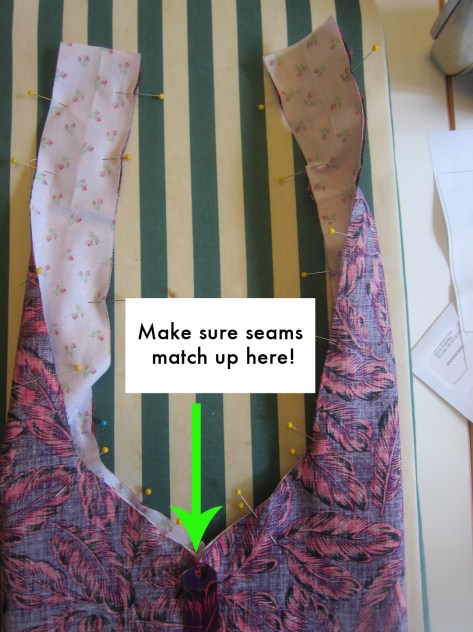
Tokyo Tie Bag -- Free pattern and tutorial from Alaska Knit Nat. Great beginner project.

5. Make sure the seams from the outer and lining fabrics match up in the middle and pin all around the top edge and handles.
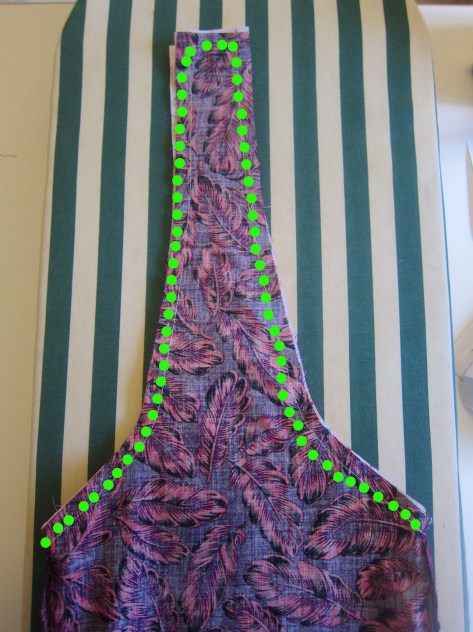
Tokyo Tie Bag -- Free pattern and tutorial from Alaska Knit Nat. Great beginner project.

Tokyo Tie Bag -- Free pattern and tutorial from Alaska Knit Nat. Great beginner project.

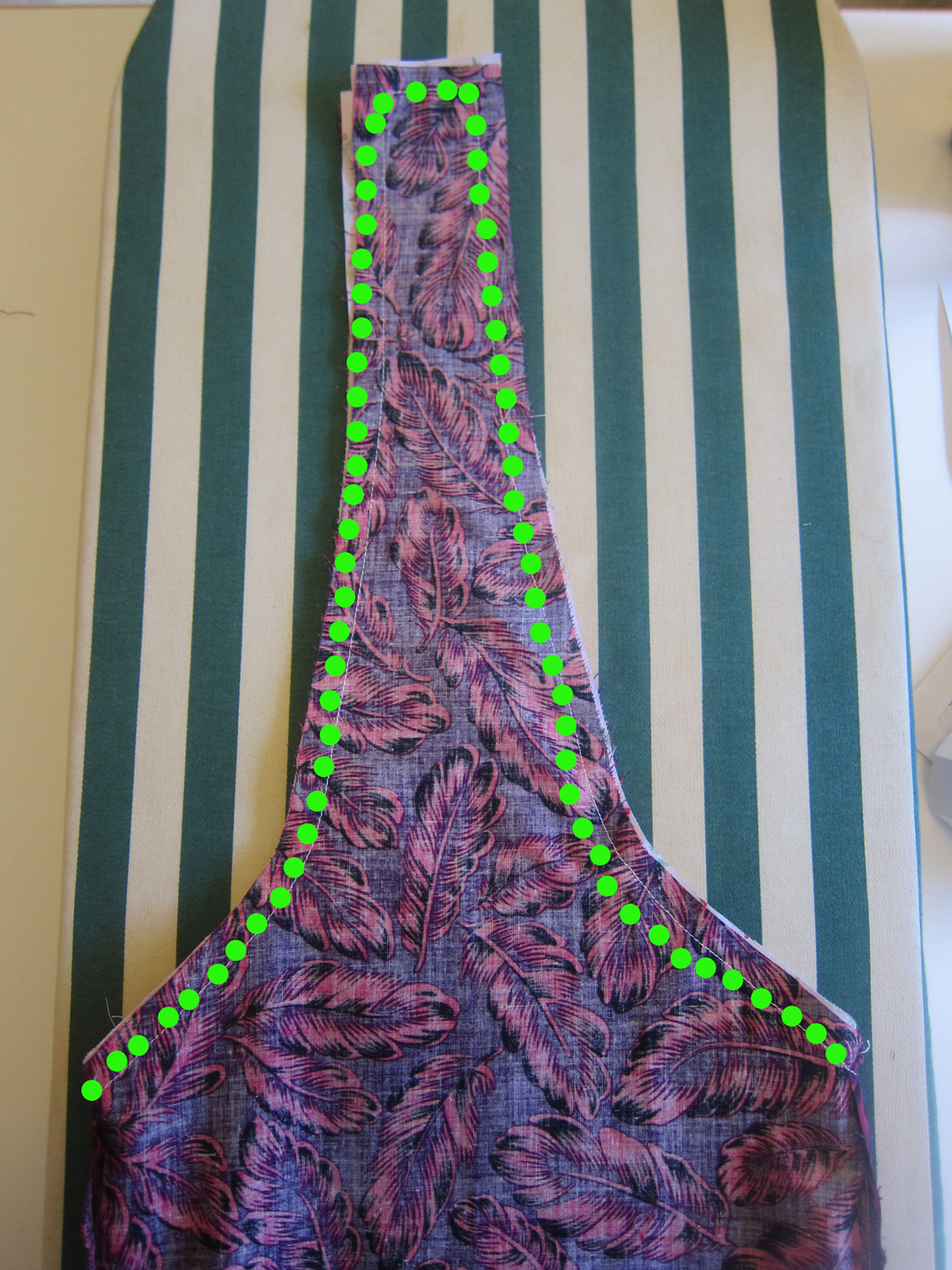
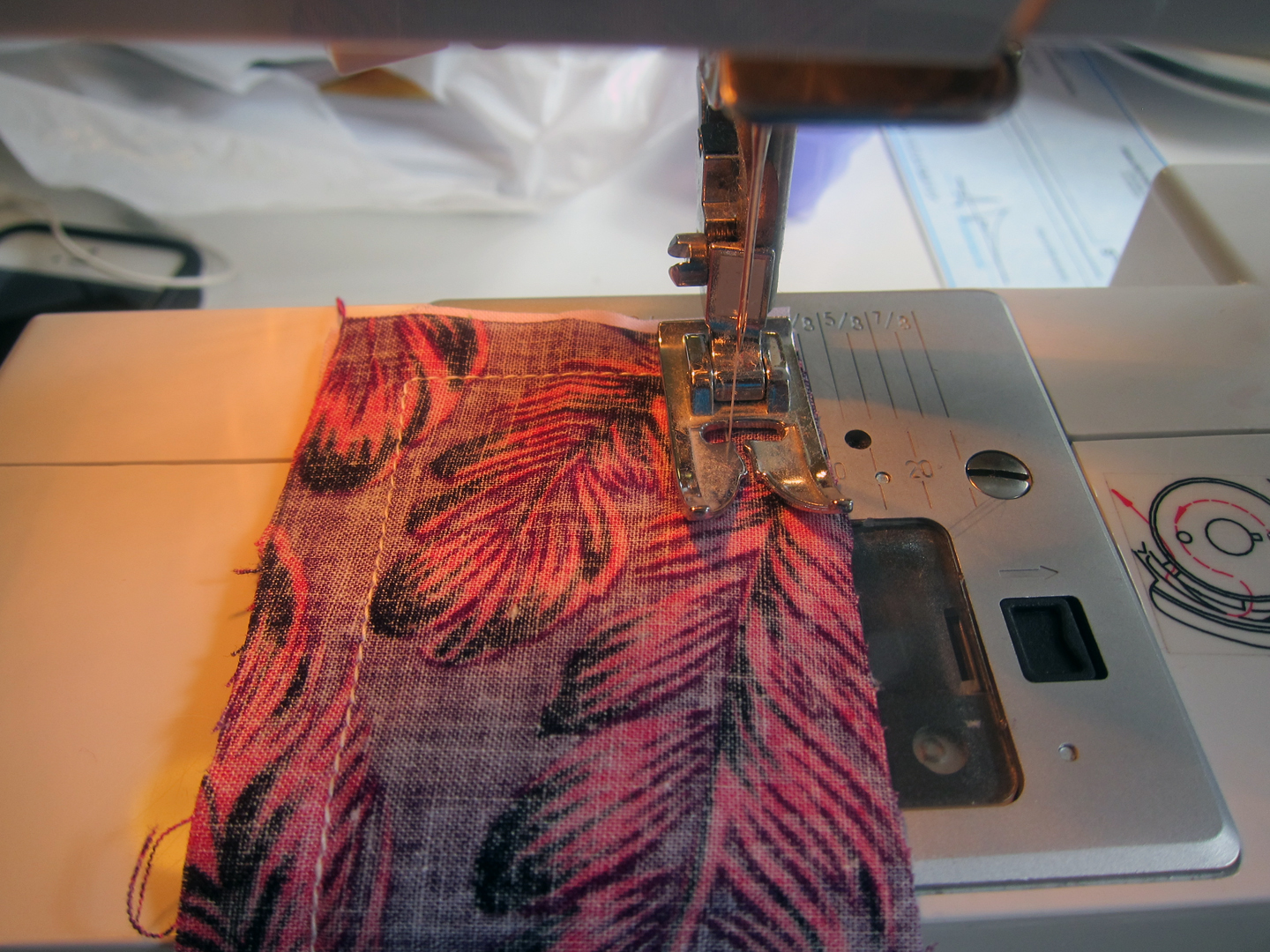
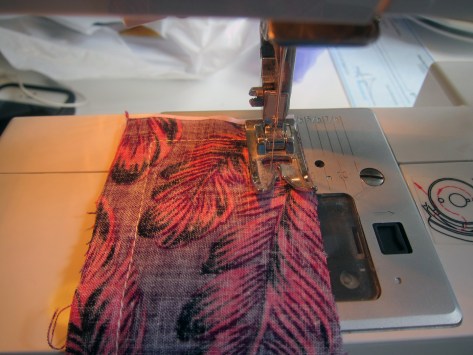
6. Sew all around the top edge, along the handles and back down again. Your seam should end at the same place you began as you’ll be sewing in a giant loop.
Tokyo Tie Bag -- Free pattern and tutorial from Alaska Knit Nat. Great beginner project.

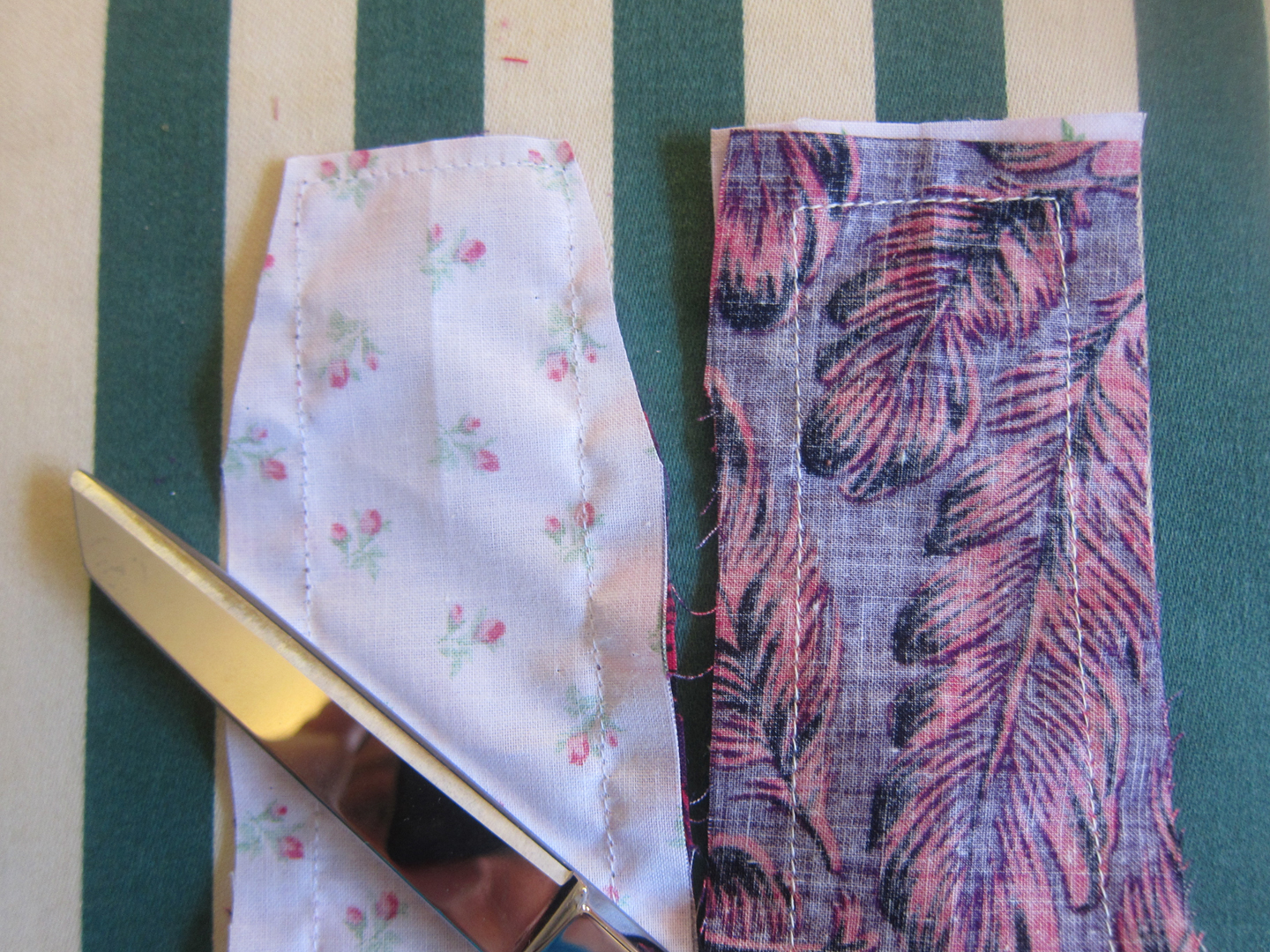
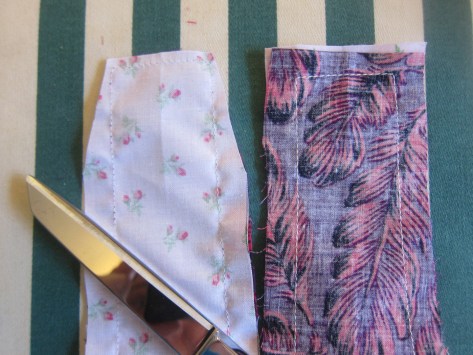
7. Trim the corners of the handles so there is less bulk.
Tokyo Tie Bag -- Free pattern and tutorial from Alaska Knit Nat. Great beginner project.

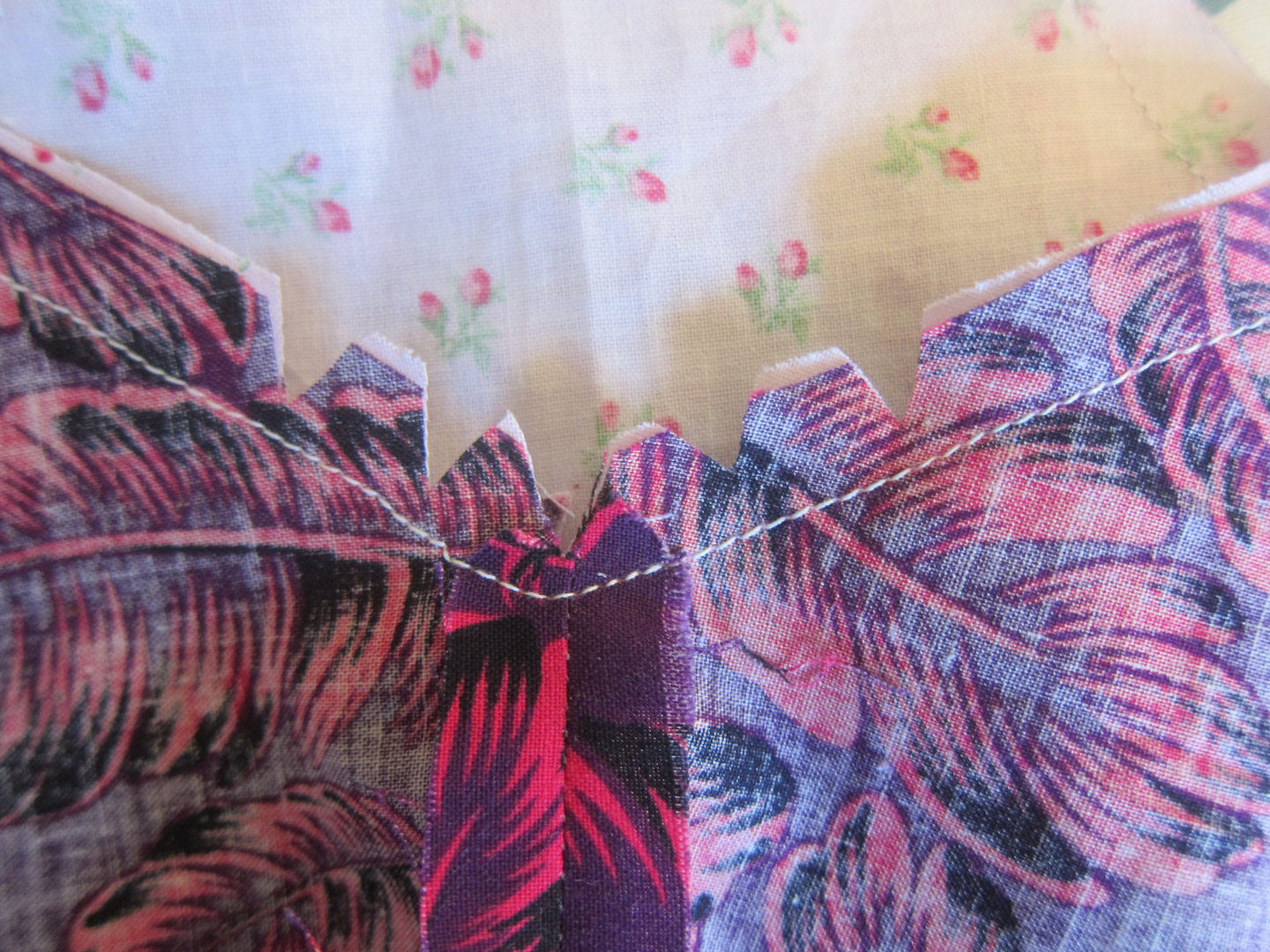
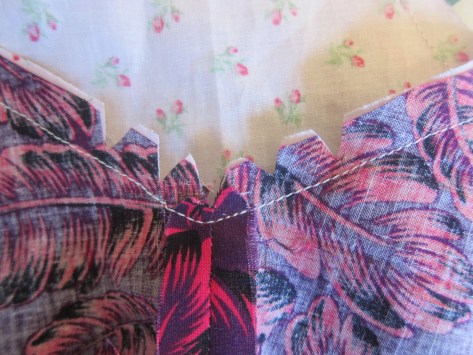
8. Cut notches at the center curves so the seam will be more smooth when turned right-side out.
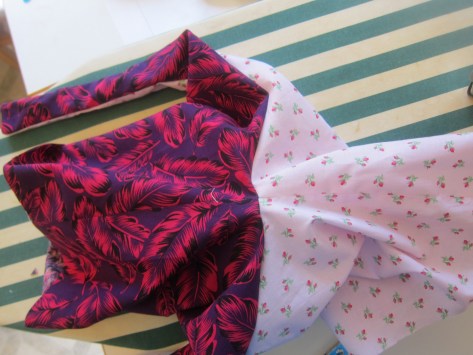
Tokyo Tie Bag -- Free pattern and tutorial from Alaska Knit Nat. Great beginner project.

9. Turn the bag right-side out and use a chopstick to push out the handles. Stuff the lining down into the outer fabric. It should now look somewhat like a bag but with the bottom unfinished. Iron the whole bag flat.
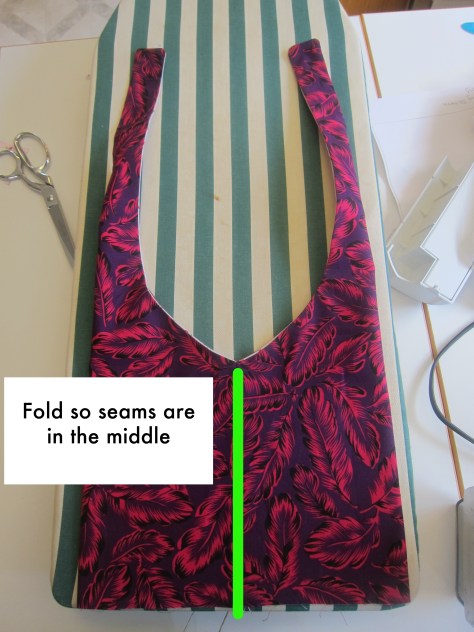
Tokyo Tie Bag -- Free pattern and tutorial from Alaska Knit Nat. Great beginner project.

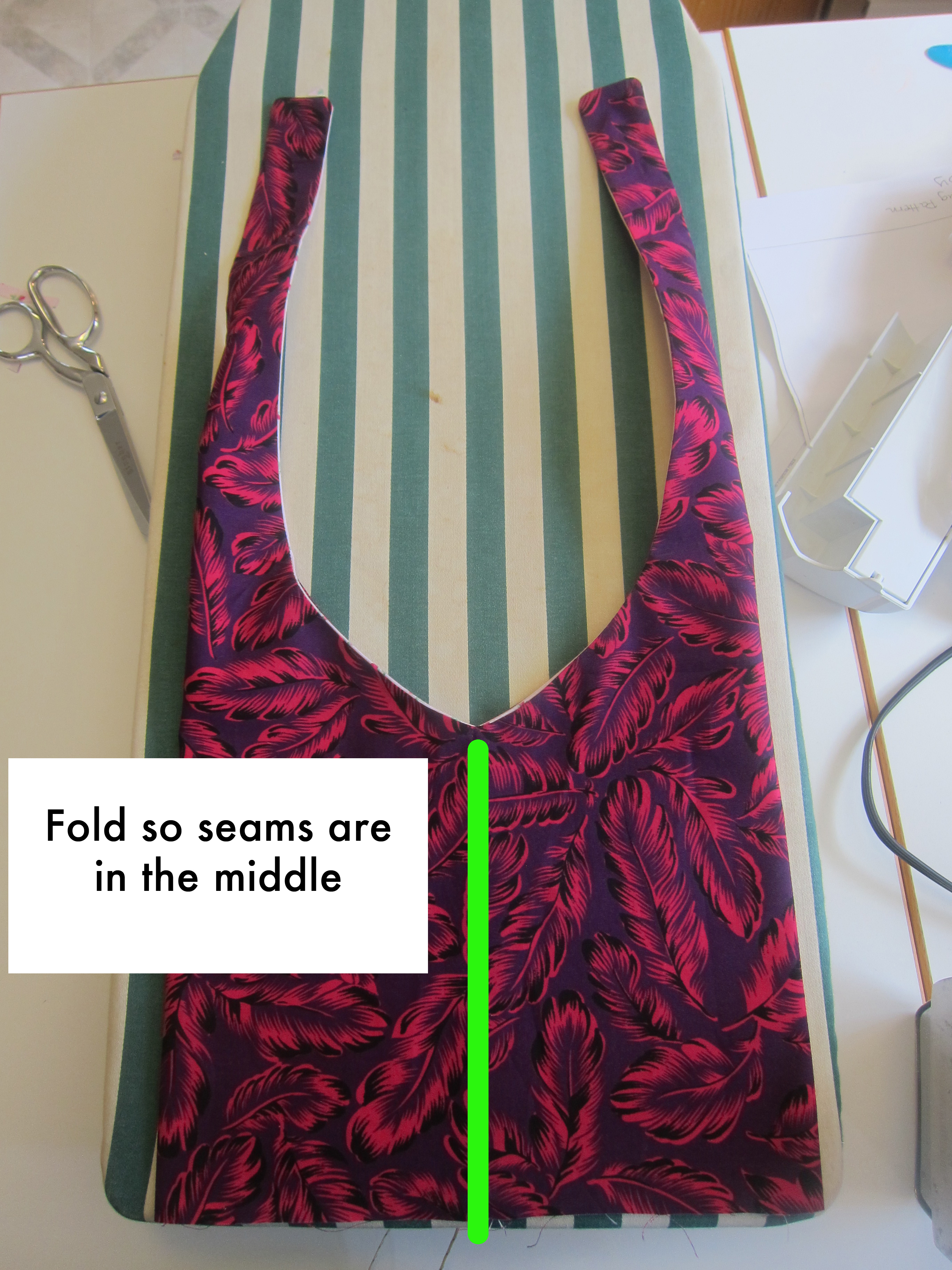
10. Lay the bag flat so the side seams are now in the middle. Make sure these seams line up on the bottom and then iron the bag flat.
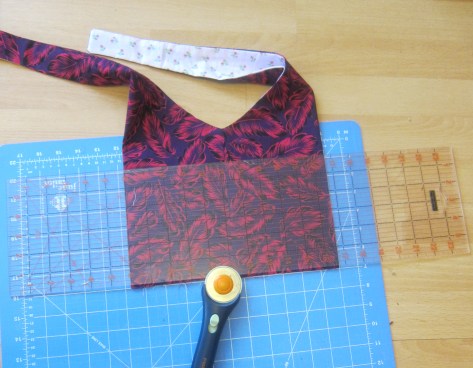
Tokyo Tie Bag -- Free pattern and tutorial from Alaska Knit Nat. Great beginner project.

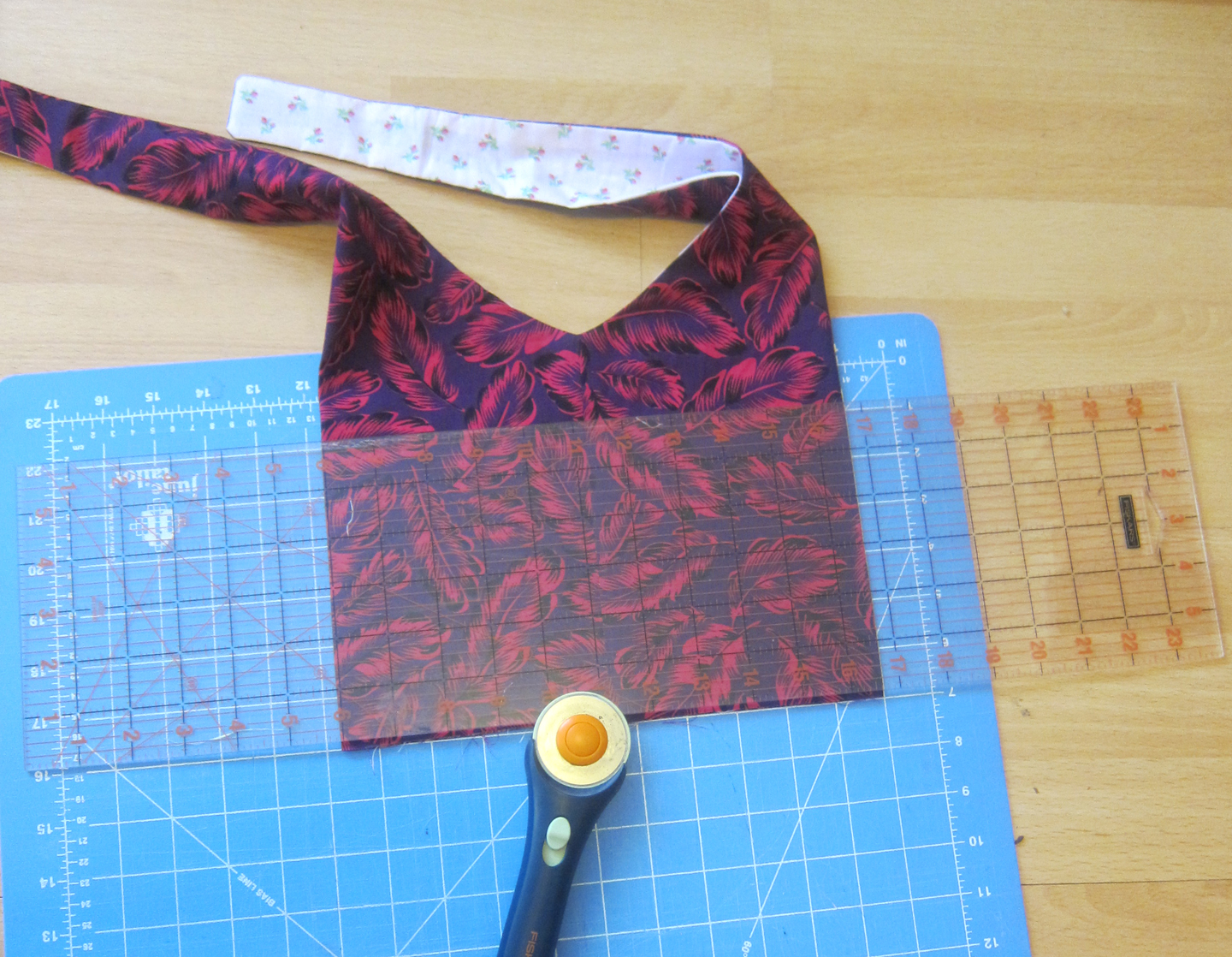
11. Using a rotary blade, cut the bottom edges of the bag so it’s all even. Sometimes things just aren’t lined up well and a good fresh cut will make it turn out better. This step is optional.
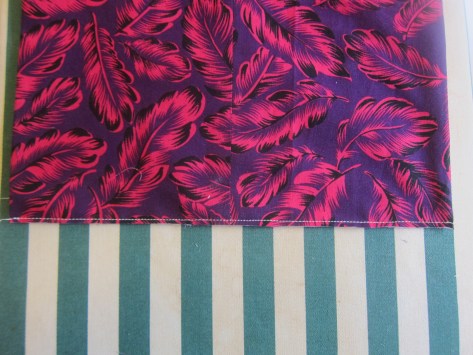
Tokyo Tie Bag -- Free pattern and tutorial from Alaska Knit Nat. Great beginner project.

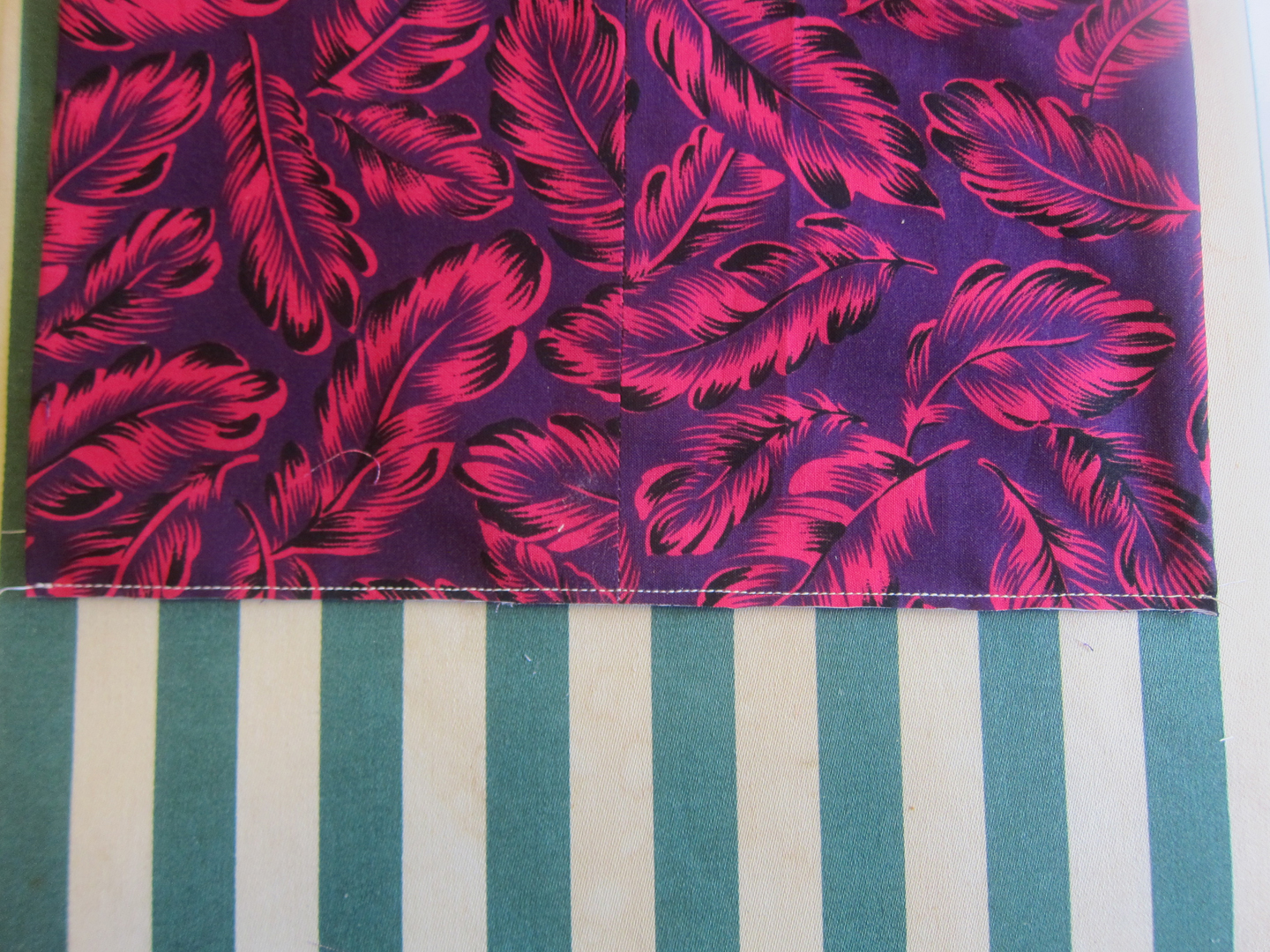
12. With the bag right-side out pin along the bottom edge, starting at the center seams so they line up on both sides. Sew along the edge with the shortest seam allowance possible.

13. Trim closely along this seam and turn inside out.
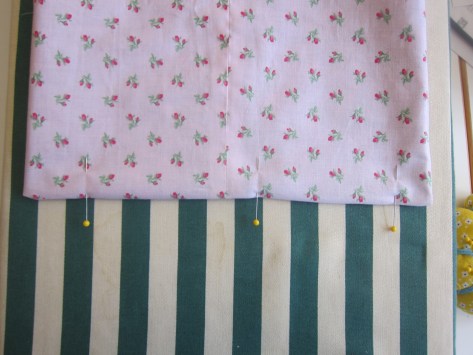
Tokyo Tie Bag -- Free pattern and tutorial from Alaska Knit Nat. Great beginner project.

14. Pin the now sewn shut bottom edge again and sew a new seam with 1/4-inch seam allowance. You have now created a French seam. Hurrah!

15. Turn your bag right-side out and iron one more time.
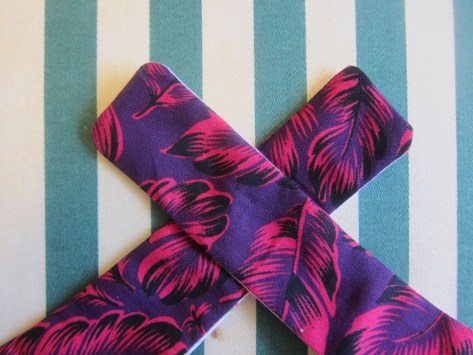
Tokyo Tie Bag -- Free pattern and tutorial from Alaska Knit Nat. Great beginner project. Tokyo Tie Bag -- Free pattern and tutorial from Alaska Knit Nat. Great beginner project. Tokyo Tie Bag -- Free pattern and tutorial from Alaska Knit Nat. Great beginner project.

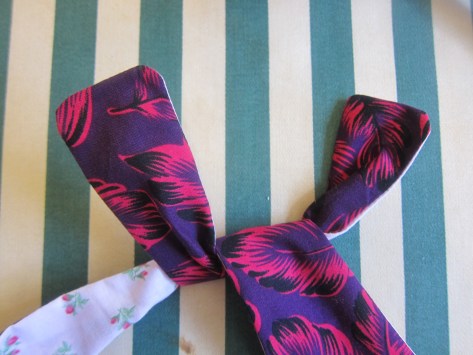
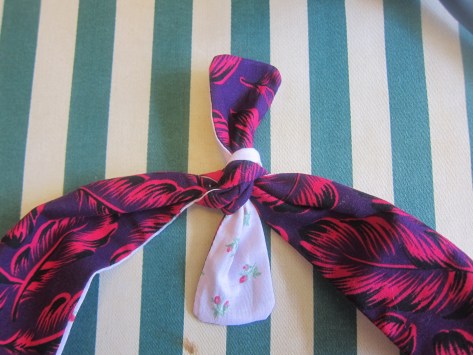
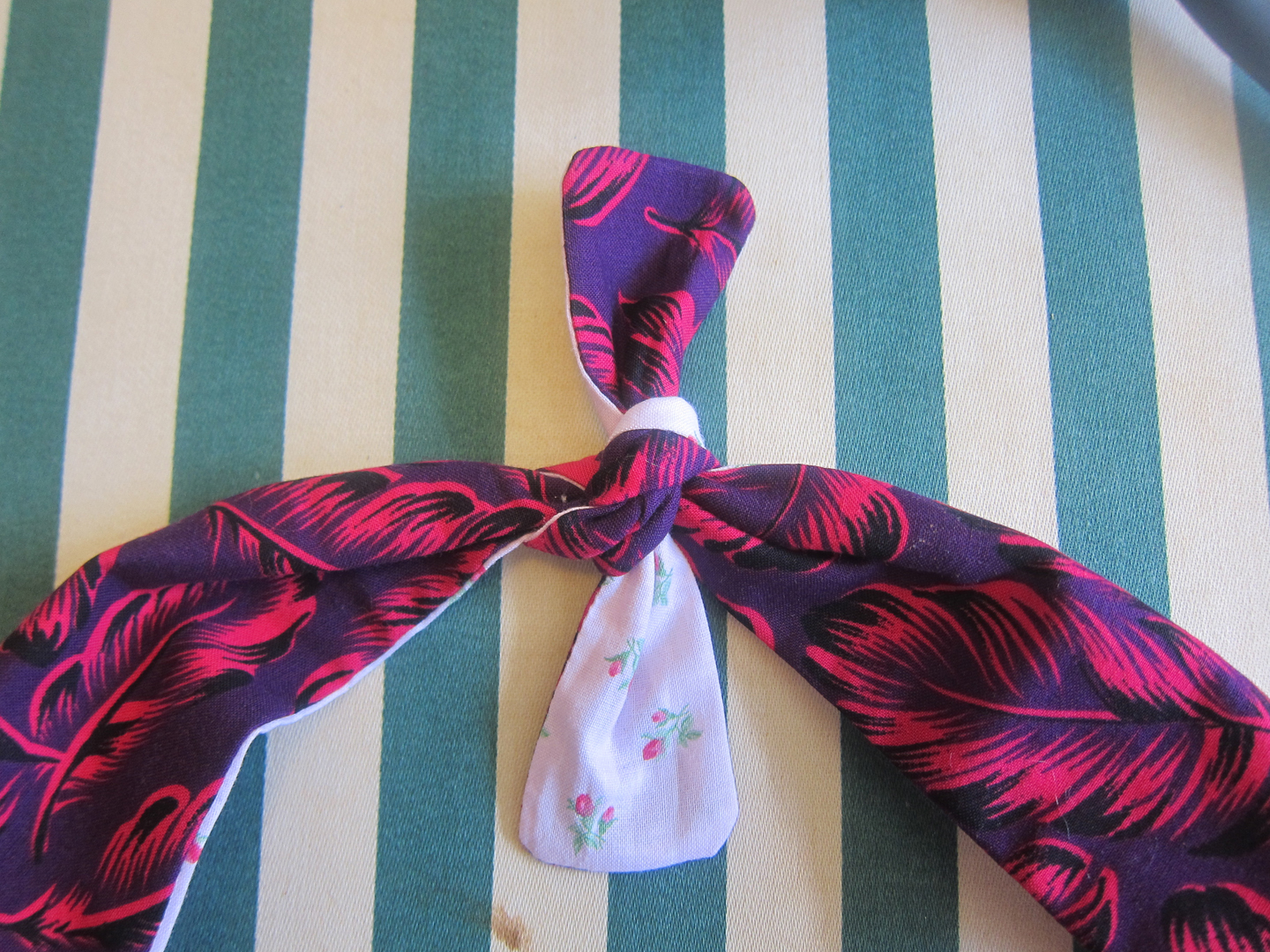
16. Join the two handles by tying a square knot.
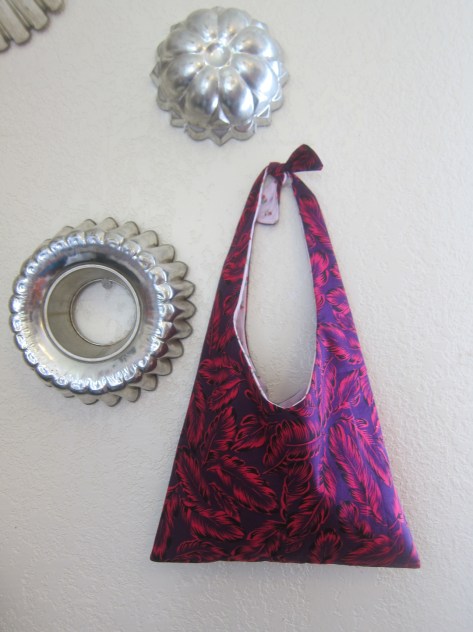
Tokyo Tie Bag -- Free pattern and tutorial from Alaska Knit Nat. Great beginner project.
17. Admire your work. You’re a super sewer!
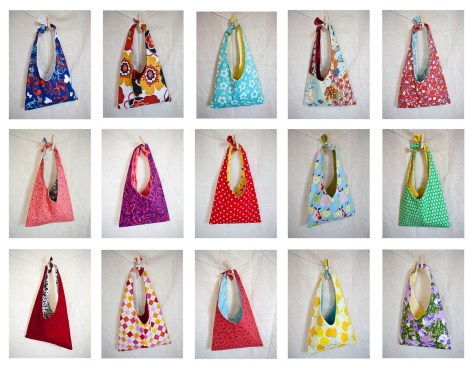
Tokyo Tie Bag -- Free pattern and tutorial from Alaska Knit Nat. Great beginner project.

Thrift Store Skirt Refashion — Free Tutorial

Floral prints are all the rage these days and I’m always finding skirts at the thrift store that have pretty patterns, but they are just too long for my stumpy legs.

You’ve probably come across these types of skirts — they are from the ’90s, ankle-length and look as though a church lady might wear them.

If you have basic sewing skills it’s pretty simple to shorten a skirt to a more youthful length. It only took me 45 minutes and I went from bake sale mom to hipster mom for $2.50. You can too!

Thrift Store Skirt Refashion -- go from bake sale mom to hipster mom in less than an hour!

Materials:

One thrift store skirt in your size

Ruler

Straight pins

Chalk or pencil

Fabric scissors

Sewing machine

Iron

Thrift Store Skirt Refashion -- go from bake sale mom to hipster mom in less than an hour!

Step 1: Iron your skirt if it needs it.

Step 2: Determine how much length you’d like to cut off. I wanted the skirt to fall just above my knees, which was about 10.5 inches from the original hem. I subtracted 1.5 inches to account for the new hem. For me, 9 inches was how much I needed to remove.

Thrift Store Skirt Refashion -- go from bake sale mom to hipster mom in less than an hour!

Step 3: If your skirt has buttons down the front, unbutton it and lay it flat, wrong side up. With a ruler and chalk or pencil go along the bottom of the skirt and mark 9 inches all around. I didn’t do this accurately at all and it still worked out fine. My skirt had a slight arc to it so I eyeballed it here and there.

Step 4: Cut along the measurement lines you made.

Thrift Store Skirt Refashion -- go from bake sale mom to hipster mom in less than an hour!

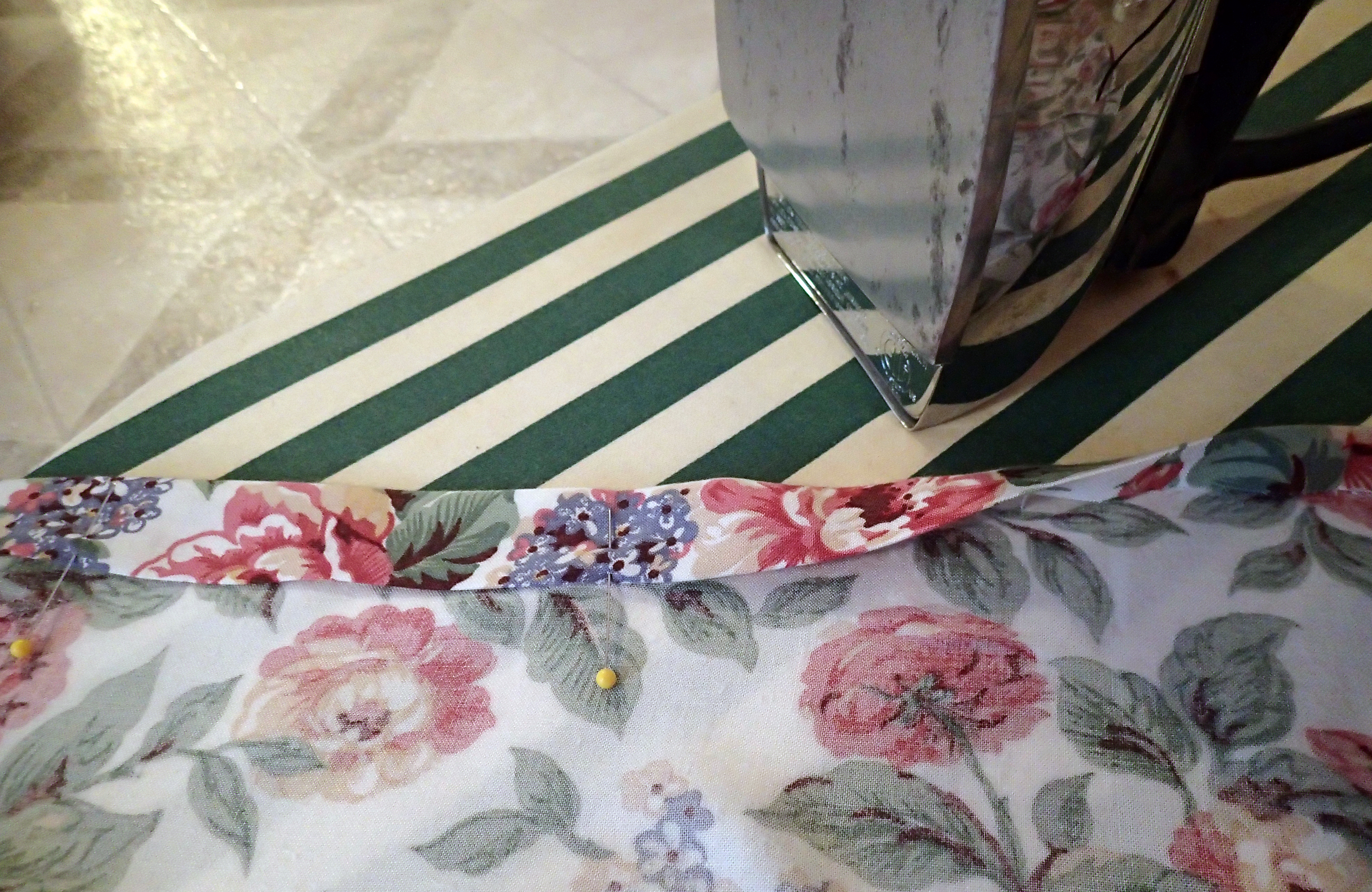
Step 5: With your iron, turn under 1/2 inch from the edge all across the skirt.

Thrift Store Skirt Refashion -- go from bake sale mom to hipster mom in less than an hour!

Step 6: Turn under 1 inch all around and iron down, pinning as you go. *NOTE* if your skirt buttons in the front, make sure your ends match in the front. Mine were really off so I had to re-iron and eyeball it till it worked. Doesn’t need to be perfect, especially if it’s a flowing skirt. No one will notice if the back is slightly shorter than the front.

Thrift Store Skirt Refashion -- go from bake sale mom to hipster mom in less than an hour!

Step 7: Sew a seam along the hem 3/4 inches from the folded edge, backstitching at the beginning and end.

Step 8: Trim all threads and run an iron along the hem one last time.

Step 9: Put on your skirt and admire your crafty awesomeness.

Thrift Store Skirt Refashion -- go from bake sale mom to hipster mom in less than an hour!

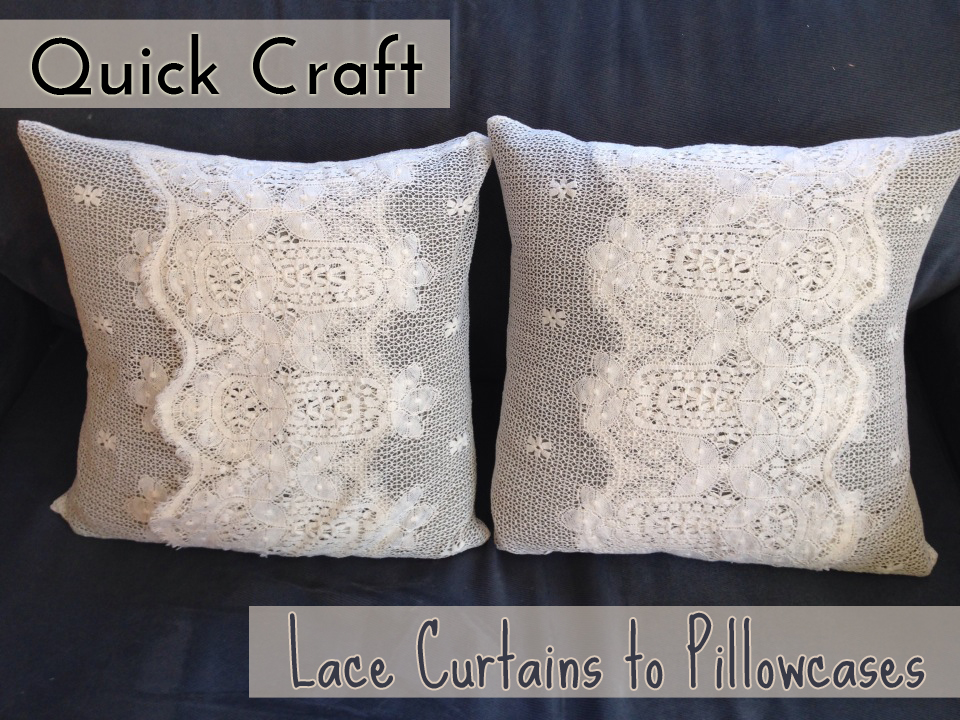
Quick Craft — Lace Curtains to Pillowcases

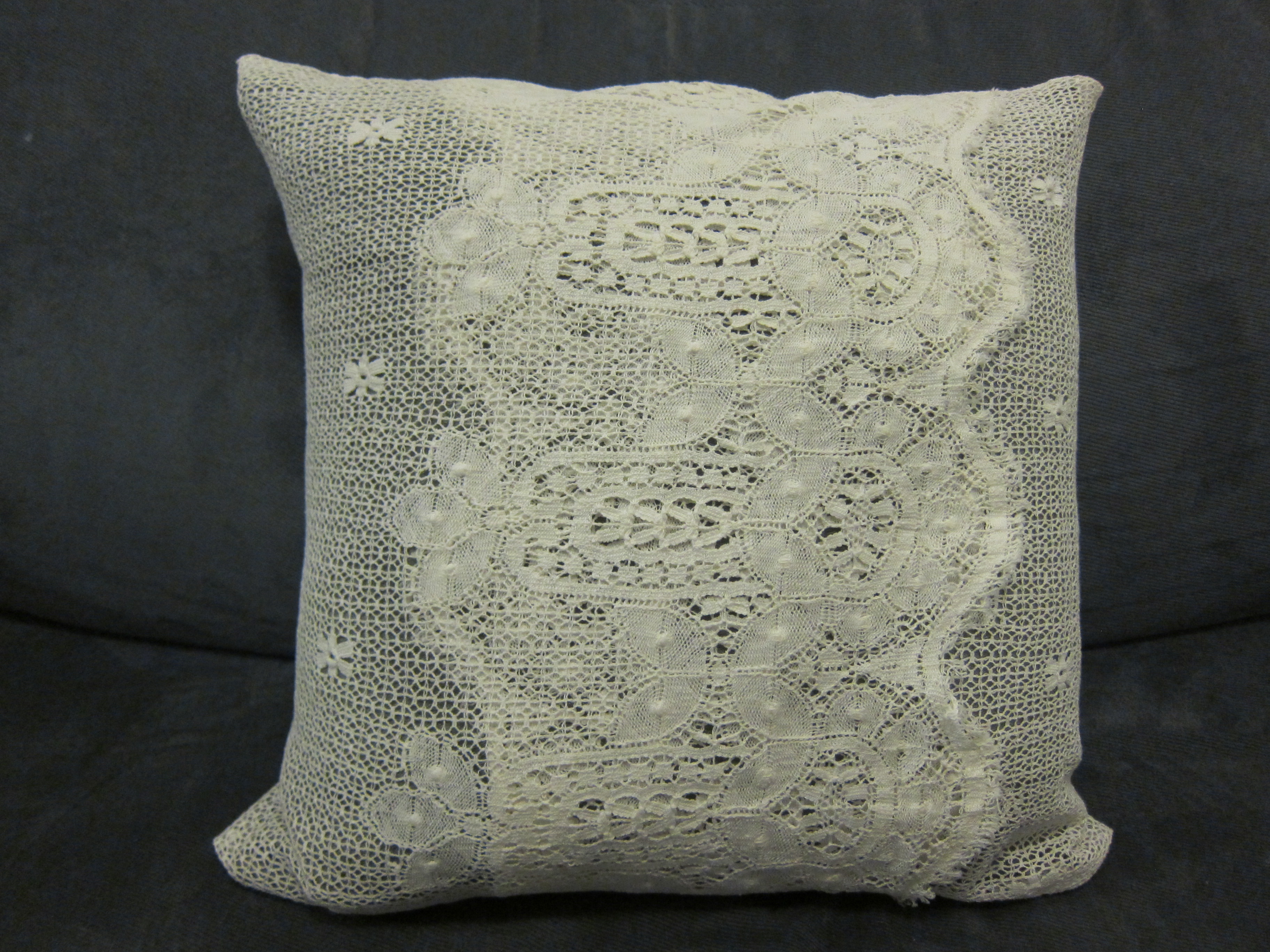
Our living room throw pillows needed an upgrade. At $20-30 a pop, I wasn’t about to buy two new ones, so I dug through my fabric stash and found an old lace curtain panel. Two cuts and four seams later I had a couple of gorgeous throw pillows. This was a great way to liven up my living room without breaking the bank. I just used the pillows we already had!

Quick Craft -- Lace Curtains to Pillowcase

Here’s how.

Materials:

1 lace curtain panel

2 square pillow forms

straight pins

sewing machine

Quick Craft -- Lace Curtains to Pillowcase

Directions:

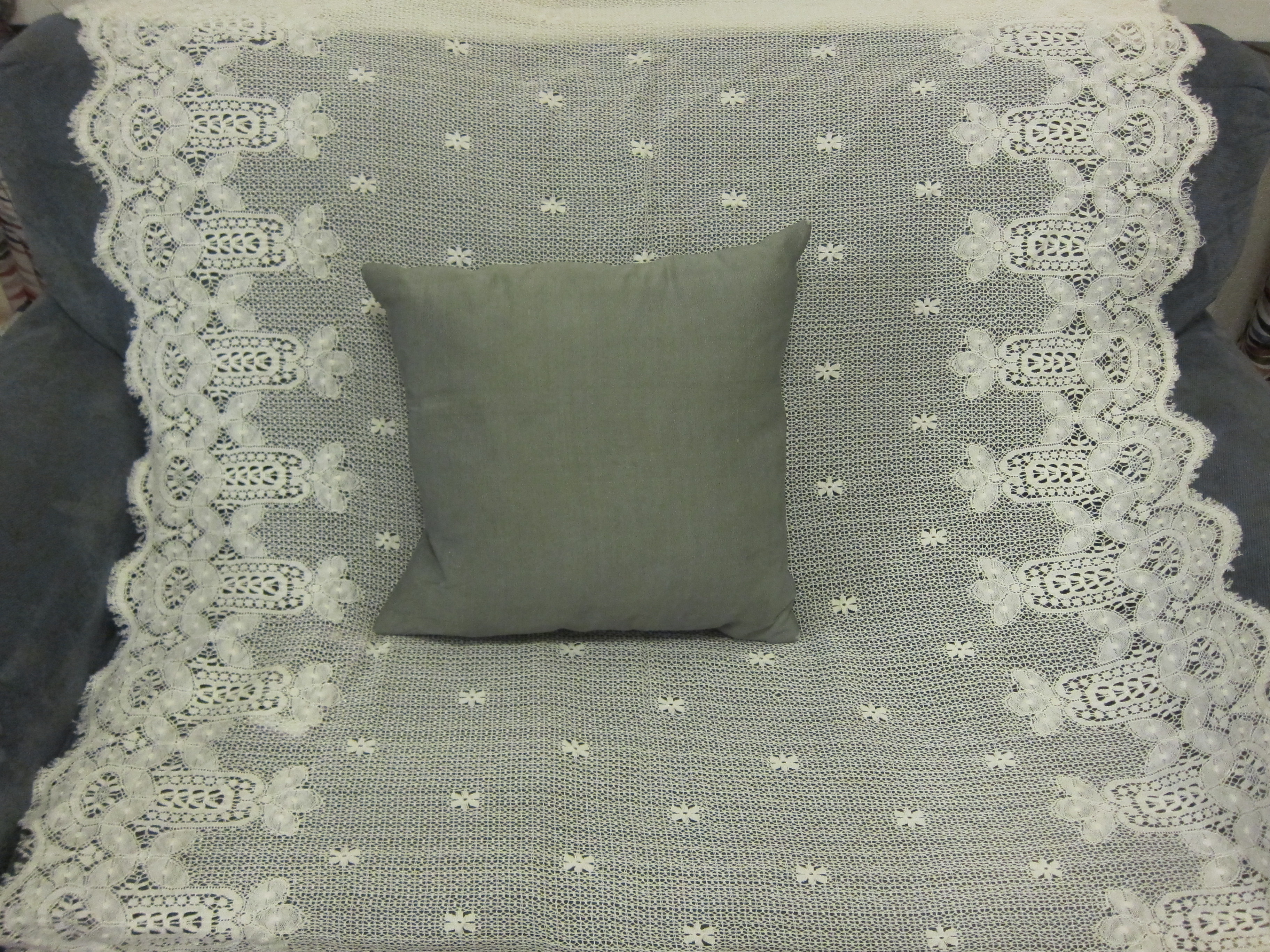
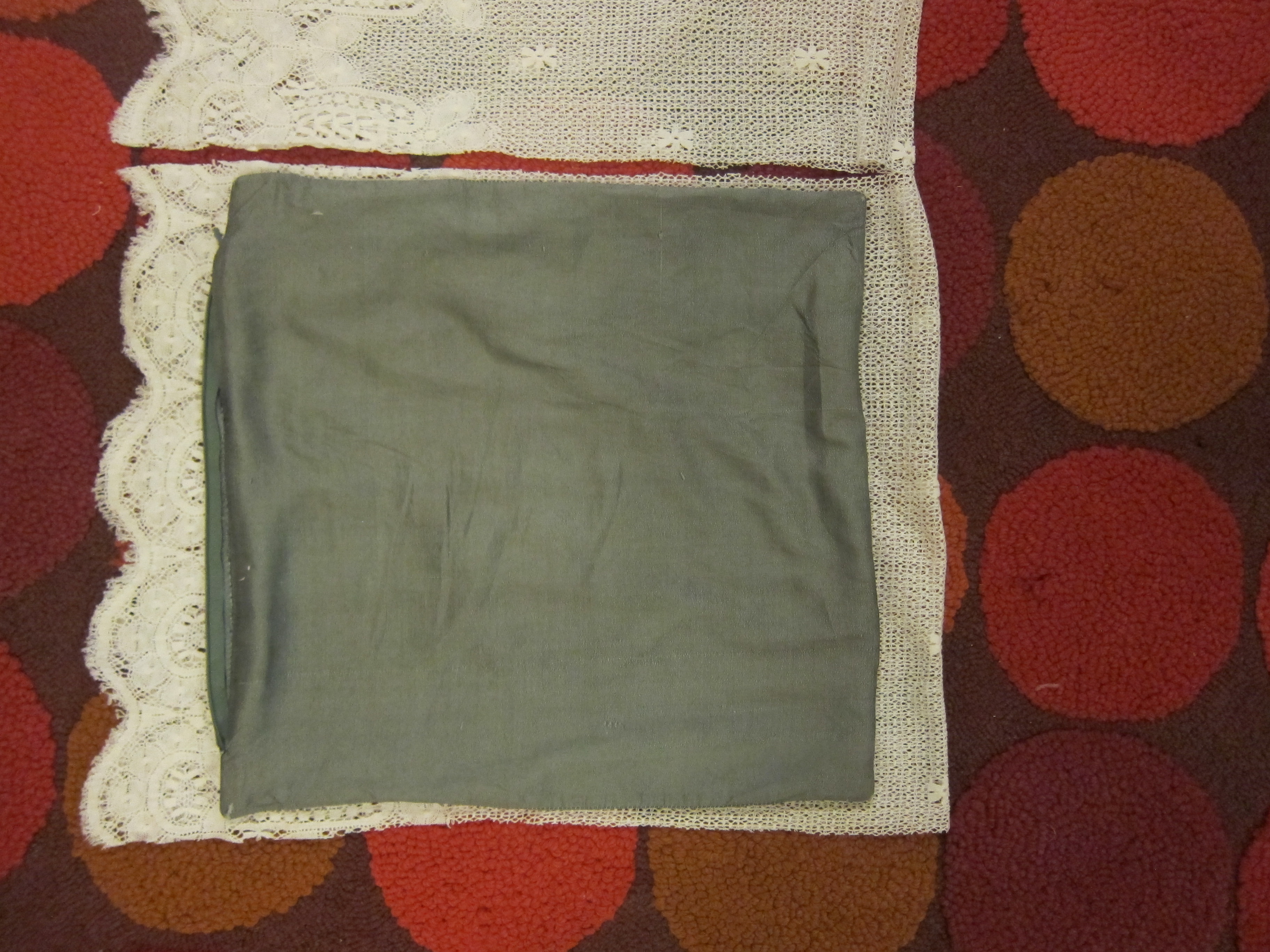
Lay out your curtain panel on the floor and place your pillow on top of it to measure how much fabric to cut. If you have a removable slip cover on the pillow already, then remove it and use the cover as a guide. Cut the curtain widthwise, leaving a half an inch of seam allowance on the top and bottom edge.

Quick Craft -- Lace Curtains to Pillowcase

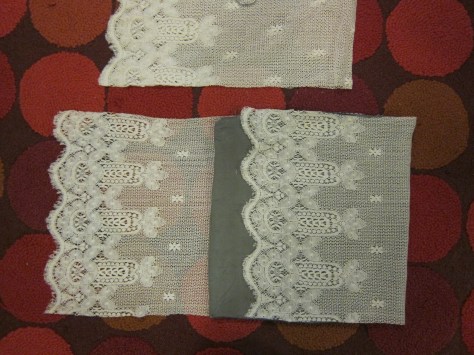
I made an envelope slip cover, but instead of the envelope being on the back side, like most throw pillows, it is on the front because the lace trim is already a finished edge and it looks so pretty overlapped.

Quick Craft -- Lace Curtains to Pillowcase

Lay your pillow on the long width of fabric and figure out how you want it to overlap. Fold one edge over the pillow and the other edge over. Mark where you folded and remove the pillow. Refold the lace and pin the raw edges in place.

Sew across both edges. Turn right side out and stuff your pillow inside. That’s it! Repeat with second pillow.

Quick Craft -- Lace Curtains to Pillowcase Quick Craft -- Lace Curtains to Pillowcase Quick Craft -- Lace Curtains to Pillowcase

Questions? Leave me a comment!

Travel Purse

Lately I’ve been in purse limbo. My favorite one broke, my backup one isn’t the right size and I just can’t seem to find what I’m looking for.

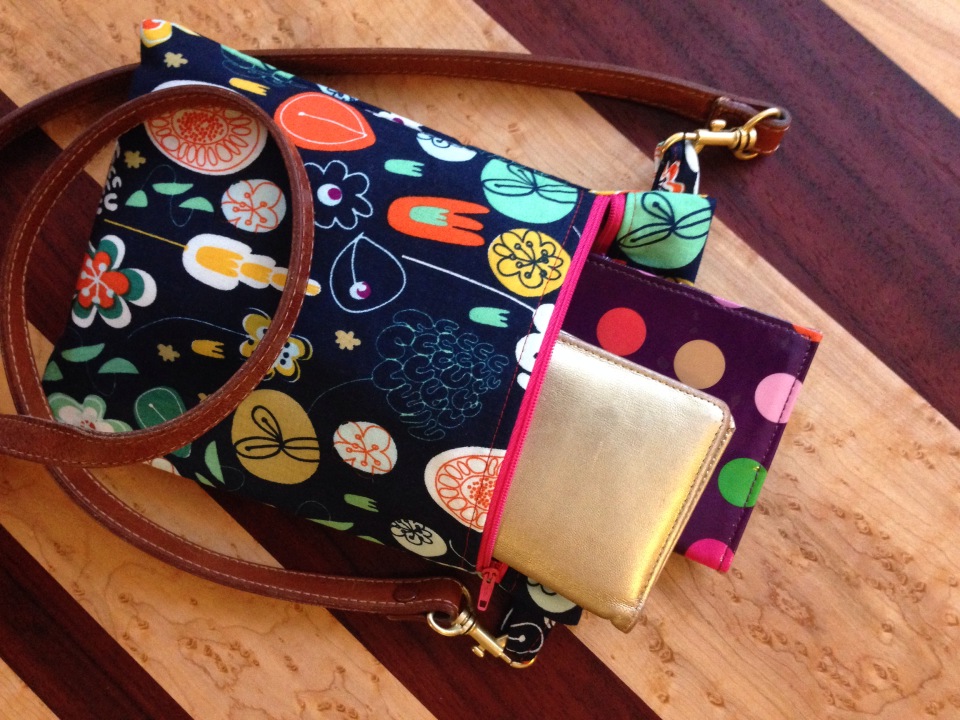
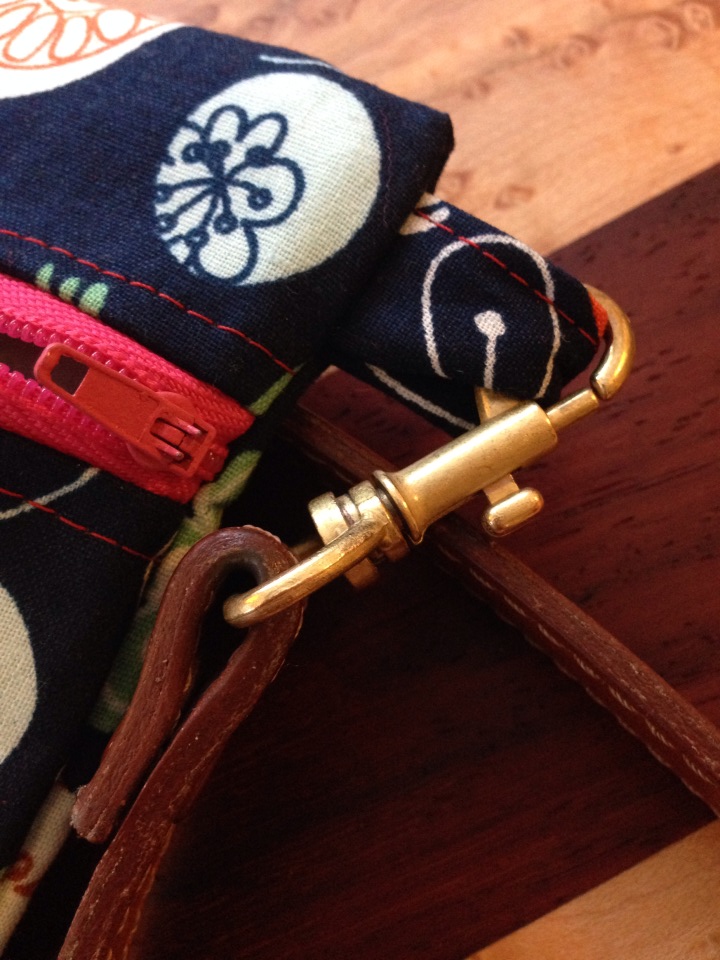
So I turned to my basic sewing skills and my frienemy Pinterest. I have this bad habit of inventing projects in my head before going to sleep. Next thing I know it’s four hours later and I’m still awake, thinking about my awesome idea. This idea came to me at night — why not make a simple zipper pouch but add a cross-body strap. Better yet, why not take the detachable leather strap from my old purse and attach it to a simple zipper pouch?

Done and done.

Use a detachable strap from an old leather purse to create a new fabric zippered purse | Alaska Knit Nat

This purse is based on a terrific tutorial from Sew Me Happy. You can find it here.

Use a detachable strap from an old leather purse to create a new fabric zippered purse | Alaska Knit Nat

It’s very clearly explained, but the dimensions weren’t what I had in mind.

For my own records (in case I want to make another one), I cut my fabric 8.5 x 9.5 inches. I also added some medium weight interfacing to the lining fabric. To add the detachable strap I just made a strip of exterior fabric 1.5 inches wide, added interfacing (keep the edges free of interfacing so it’s not too bulky), folded the edges toward the center, doubled it over, ironed, and sewed a strip. Then I cut two lengths that seemed like a good loop size, accommodating for the seam allowance and sewed two loops above the zipper, the way the tutorial instructs.

Use a detachable strap from an old leather purse to create a new fabric zippered purse | Alaska Knit Nat

Since this purse was just for myself and I have low personal standards, I didn’t mind that the directional fabric is going sideways inside or that the directional fabric is upside-down on the back of the exterior. What I do love is it fits my wallet, passport and sunglasses, it zips easily and it looks so dang attractive with a leather strap.

Use a detachable strap from an old leather purse to create a new fabric zippered purse | Alaska Knit Nat

The Easy Way to Line a Hat

I could knit hats all day, but ask me to line a hat and chances are I’ll never do it. Something about measuring a head, cutting out fabric and sewing it into a hat seems like way too much work.

I was recently deconstructing a cashmere turtleneck for another project and was trying to figure out how to use the turtleneck tube. Headband? Too ugly. Hat lining? Perfect.

The Easy Way to Line a Hat | Alaska Knit Nat

Here’s how to line a hat with minimal effort. Just some scissors, pinning and whip stitches.

What you’ll need:

An old turtleneck

Fabric scissors

A person’s head (not yours)

Straight or safety pins

Needle and thread

Directions:

Cut the tube of the neck away from the body of the sweater. I cut below the seam so it wouldn’t unravel over time.

Turn the tube inside out and put it on a head with the seam in the back.

Put the hat over the tube and line it up the way you’d like it (if there’s a seam to the hat, it should also be in back). Let the hat overhang the tube by 1/4 inch.

Pin the tube to the hat all the way around. This way it will remain stretched out as you sew it and won’t cause the hat to pucker.

Remove the tube and hat from the head and thank your head for its assistance.

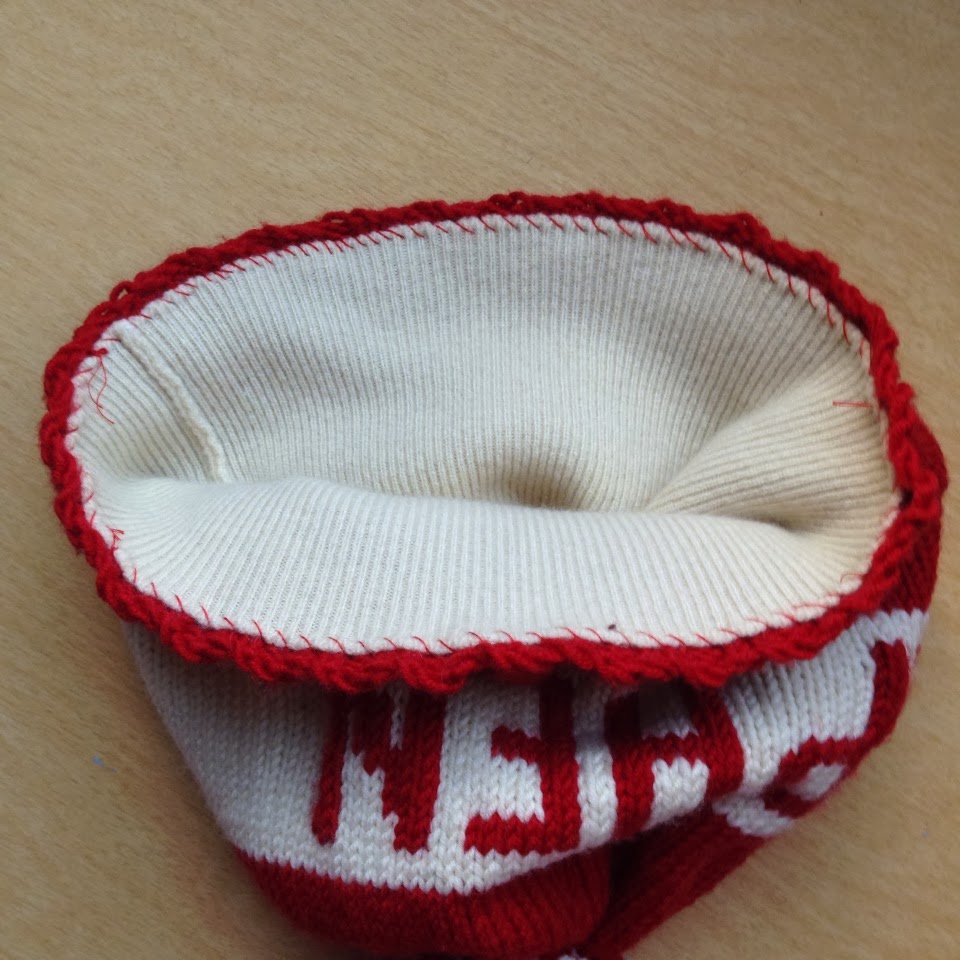
With thread matching the color of the hat, whip stitch the lining to the inside of the hat, trying to sew into the inside knitted stitches so as not to reveal the thread on the outside of the hat. The following photos are from a different hat and turtleneck.


lining1


That’s it! Now your hat is warmer and cozier.

Quick Craft: DIY Heart Shirt

Shirts with big hearts are big right now, but despite the fad I actually think they are pretty cool.

I’ve had a few old cashmere sweaters awaiting crafting and this was the perfect short-attention-span craft: cut out a heart, sew it on a shirt.

Quick Craft: DIY Heart Shirt | Alaska Knit Nat

My husband had the idea of sewing on the heart with contrasting embroidery thread. It not only gives it some “pop,” but it also adds more of a homemade touch.

 Here’s what you’ll need:

 An old sweater

A plain shirt

A large piece of paper or newspaper

chalk

Thin, double-sided fusible interfacing or Stitch Witchery

Embroidery thread

iron

large needle

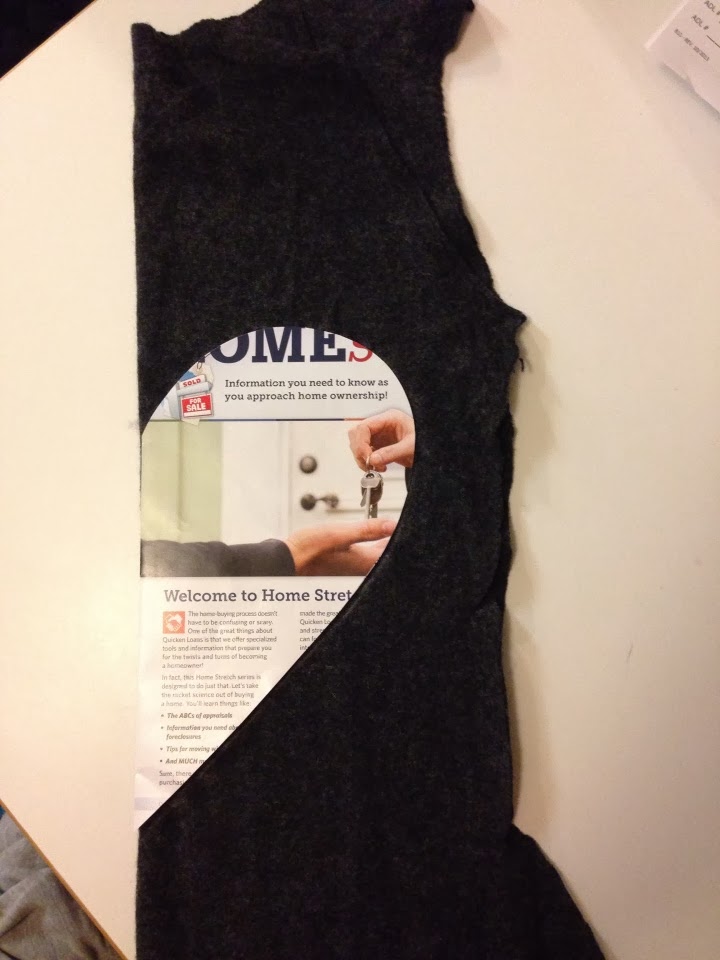
1. Make a heart template to your liking. I just folded an 11 x 17 piece of paper in half and cut out a heart shape.

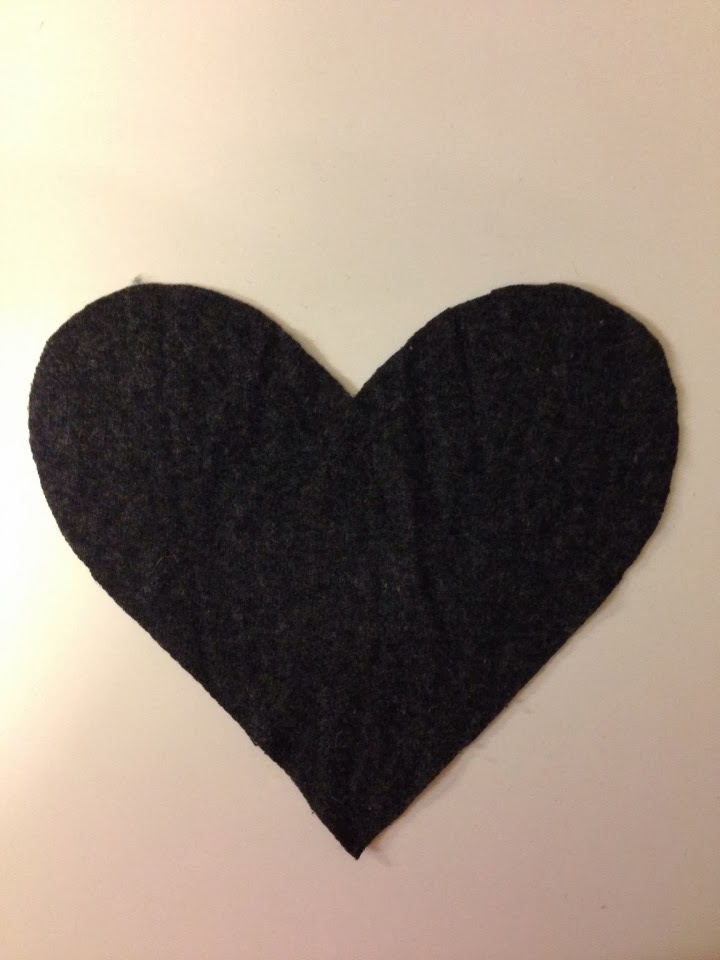
 2. Place your heart template on the sweater and use chalk to trace the shape. Cut your shape out of the sweater.

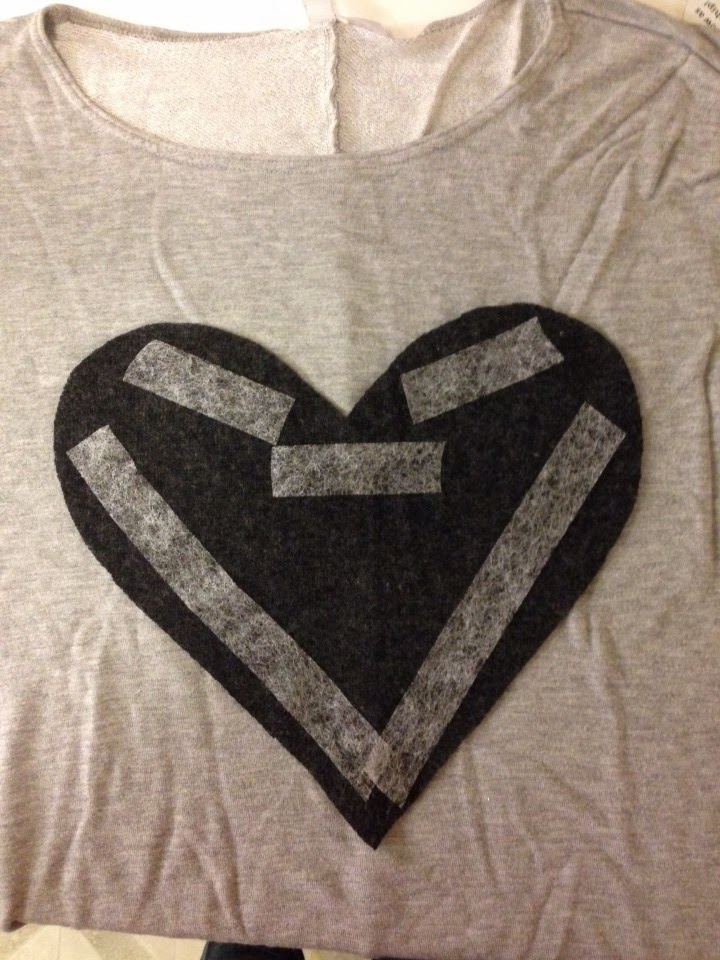
 3. Figure out where you’d like the heart to be placed on your shirt. Cut strips of interfacing or Stitch Witchery and place them on the shirt. Lay your heart, right side up, on top of the strips and fiddle around to get everything centered and flat. The photo below just shows where I placed the Stitch Witchery. In reality, the strips should not be facing up.

 4. Iron the heart according to interfacing instructions, so it fuses to the shirt. This way it won’t slip around when you’re sewing and you won’t have to worry about pins sticking you as you sew.

 5. Cut a long piece of embroidery thread and straight stitch around the edge of the heart. Secure thread with a couple of knots on the inside when finished.


 Ta-da!