Tag Archives: tutorial

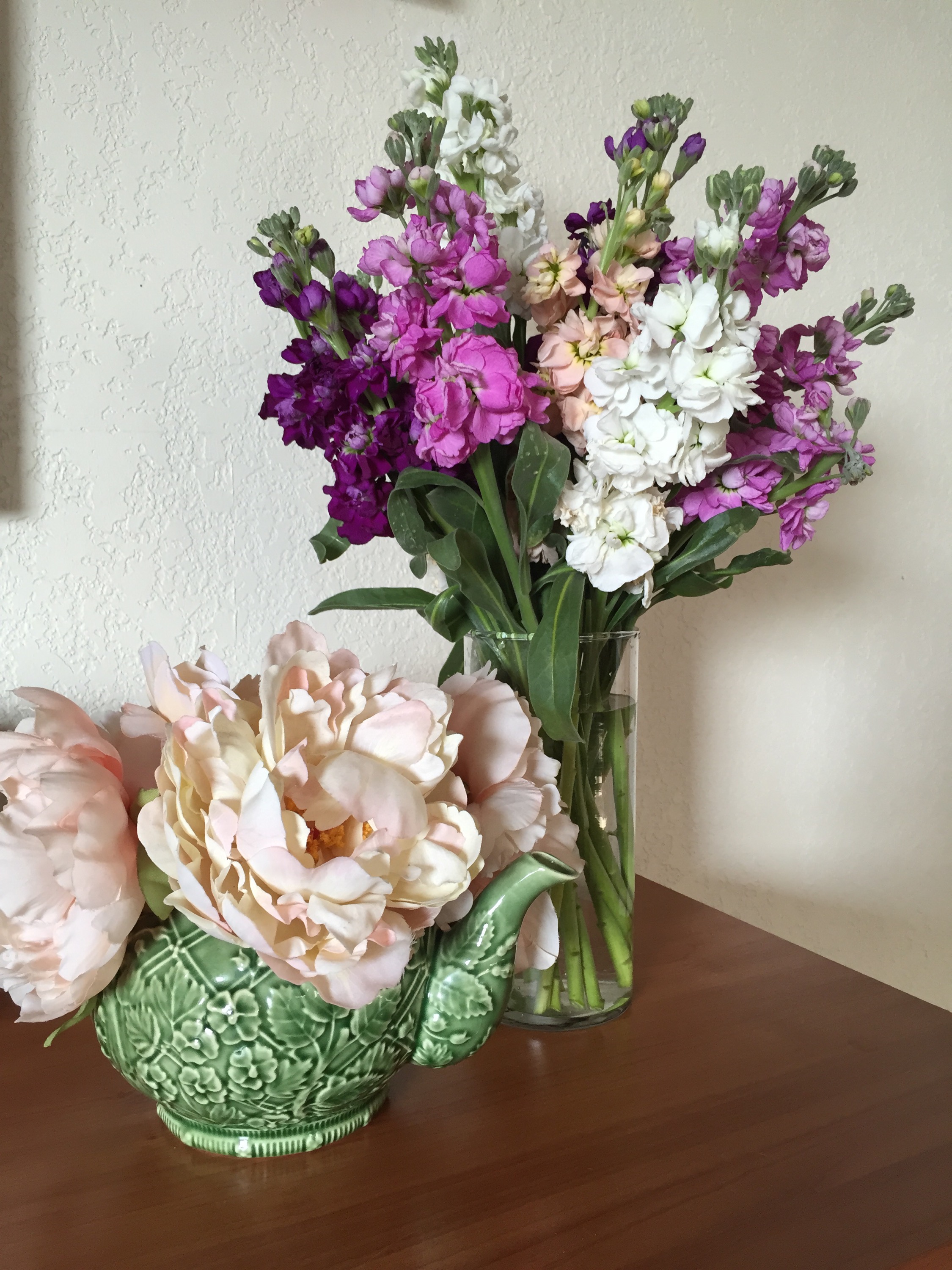
8 Simple Steps to Long-lasting Grocery Store Flowers

Yesterday was my birthday and I’m fortunate to have friends and family who know me well enough to buy me flowers on my special day. Fresh flowers add so much cheer to my home, but this simple luxury isn’t something I can always afford. That’s why I like to make my fresh flowers last as long as possible before having to toss them.

Here are some simple ways you can make your grocery store flowers liven up your home for several days.

8 Simple Steps to Long-lasting Grocery Store Flowers | from Alaska Knit Nat

1. Buy fresh flowers

This may seem like a no-brainer, but the less time the flowers have been in the grocery store, the longer you can enjoy them in your home before they wilt. Look for blooms that haven’t yet fully opened. If you’re buying lilies or daffodils, select a bouquet where only a couple have opened and several are still closed up. This will ensure you will have blooms for days to come. If purchasing roses, avoid the romantically opened blooms. Those will only go bad quickly. Here’s a rose tip: gently squeeze the base of the bloom. It should feel sort of firm like a golf ball. If it’s squishy, then that rose is on its way out.

Continue reading 8 Simple Steps to Long-lasting Grocery Store Flowers

Tokyo Tie Bag — Free Pattern and Tutorial

A few years ago I went sewing machine crazy and sewed a couple dozen Tokyo tie bags. I was inspired by a pattern on Darling Petunia’s blog. I never got around to posting my own pattern because I was too caught up in sewing them. My pattern, which I tweaked slightly from Darling Petunia’s, sadly sat in my craft pile for a few years until someone from Mexico emailed me last month and asked if she could buy one. I sewed it, shipped it and was reminded how easy and fun it was to make.

So here I am, three years later, ready to offer a full tutorial and pattern for the Tokyo tie bag. I hope you enjoy making them as much as I do!
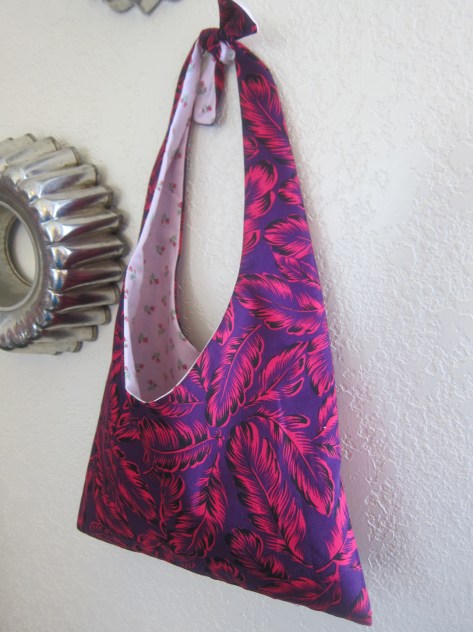
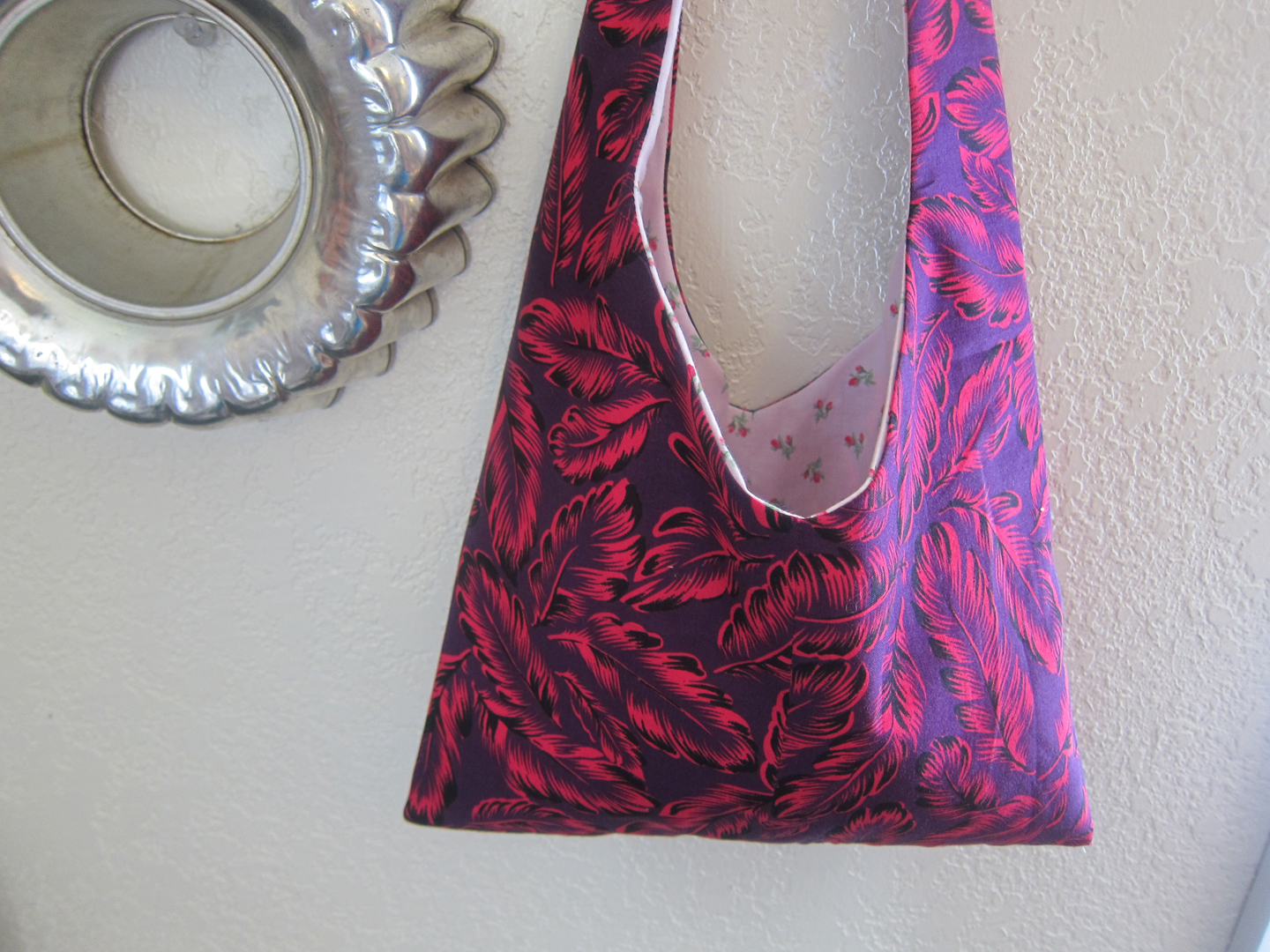
Tokyo Tie Bag -- Free pattern and tutorial from Alaska Knit Nat. Great beginner project.

Tokyo Tie Bag

An easy sewing project that can be completed in an hour

Materials:

3/4 yard each of lining and outer fabric (100% cotton is recommended)

fabric scissors

rotary cutter and board (optional)

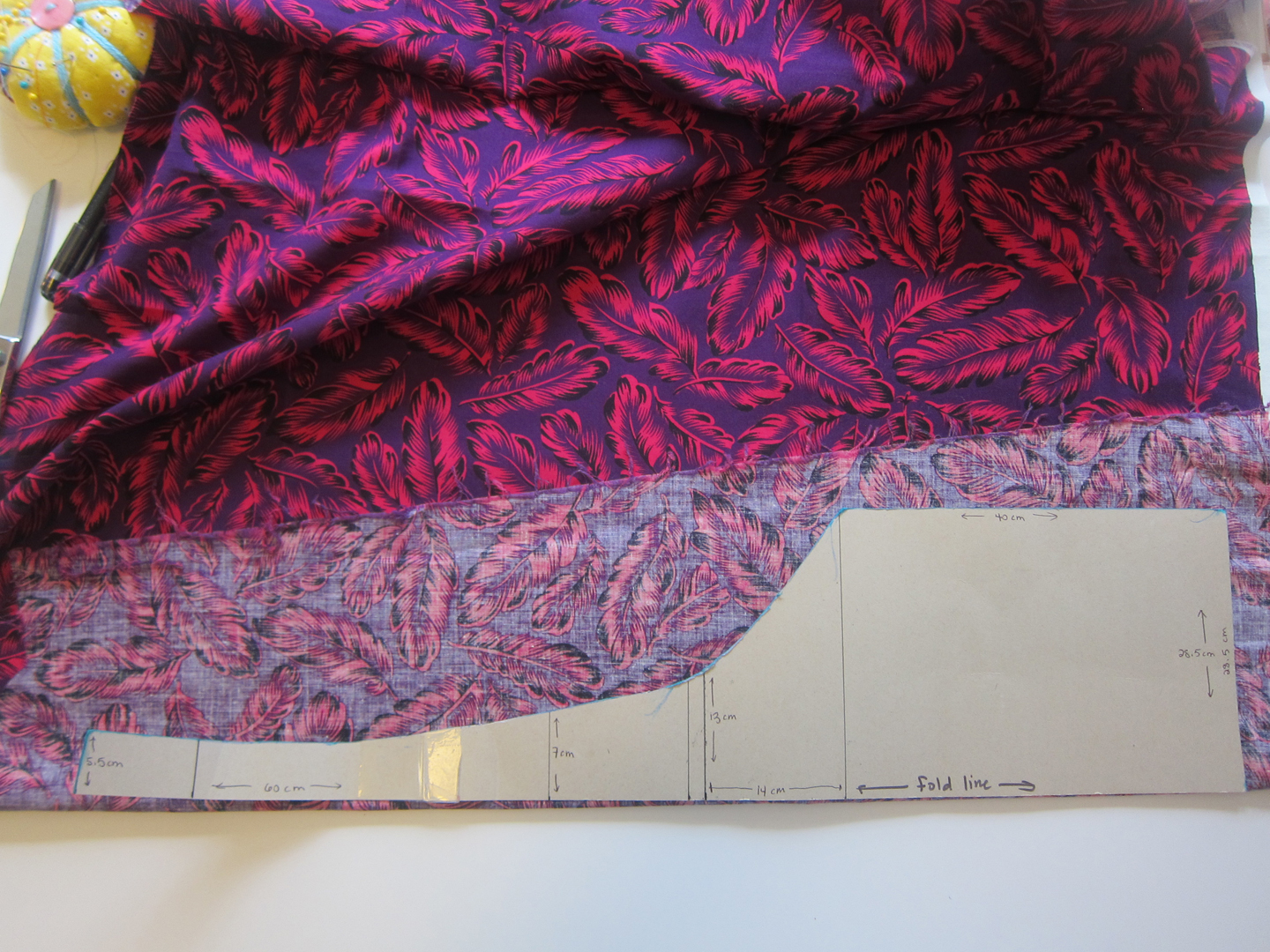
Tokyo tie bag pattern 1 & Tokyo tie bag pattern 2 printed at 100% to match the indicated dimensions, cut out and taped together


Directions:
Tokyo Tie Bag -- Free pattern and tutorial from Alaska Knit Nat. Great beginner project. Tokyo Tie Bag -- Free pattern and tutorial from Alaska Knit Nat. Great beginner project.

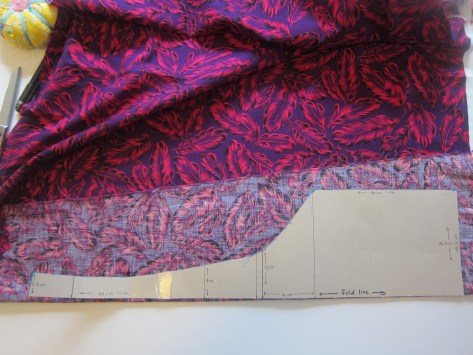
1. Iron your fabric and cut out two pieces of the pattern from the lining and outer fabrics. If your fabric is directional (meaning it looks different upside down) be sure you cut your pattern so the bottom of the pattern is on the same edge for both pieces. You should have four pieces.
Tokyo Tie Bag -- Free pattern and tutorial from Alaska Knit Nat. Great beginner project.

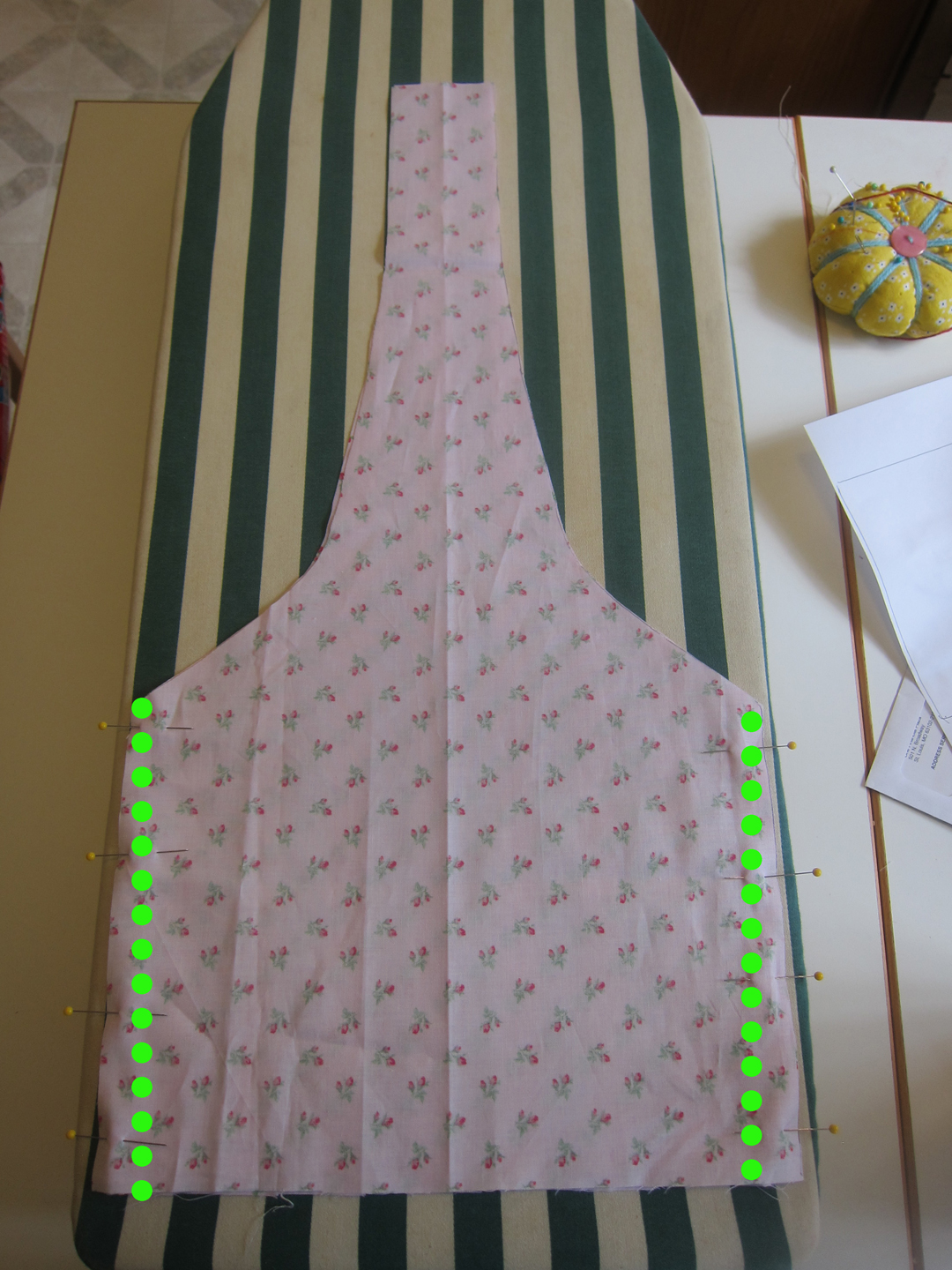
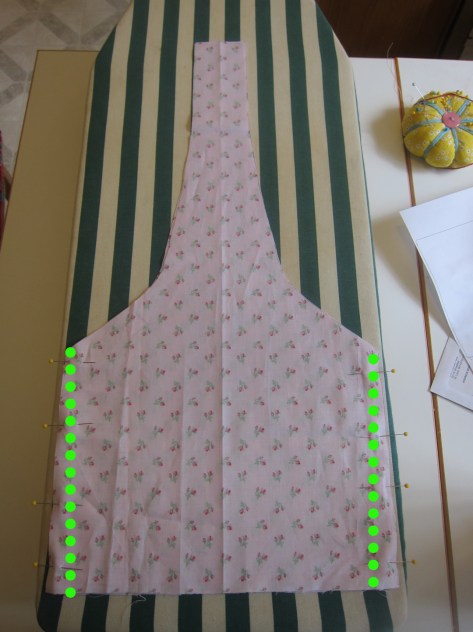
2. With right sides together, sew each edge of the lining with a  3/8 inch seam allowance. Repeat for outer fabric.
Tokyo Tie Bag -- Free pattern and tutorial from Alaska Knit Nat. Great beginner project.

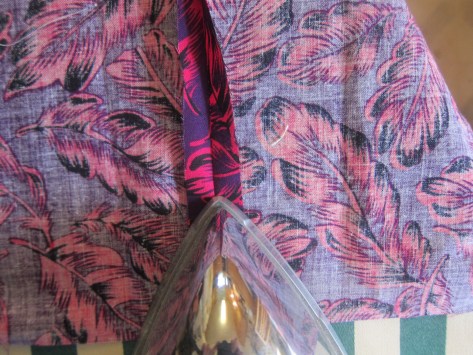
3. Iron open the seams.

Tokyo Tie Bag -- Free pattern and tutorial from Alaska Knit Nat. Great beginner project.

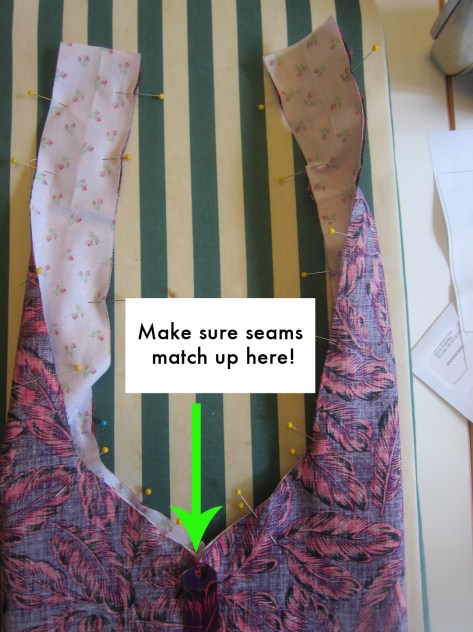
4. Turn your lining right side out and slip it inside the outer fabric.
Tokyo Tie Bag -- Free pattern and tutorial from Alaska Knit Nat. Great beginner project.

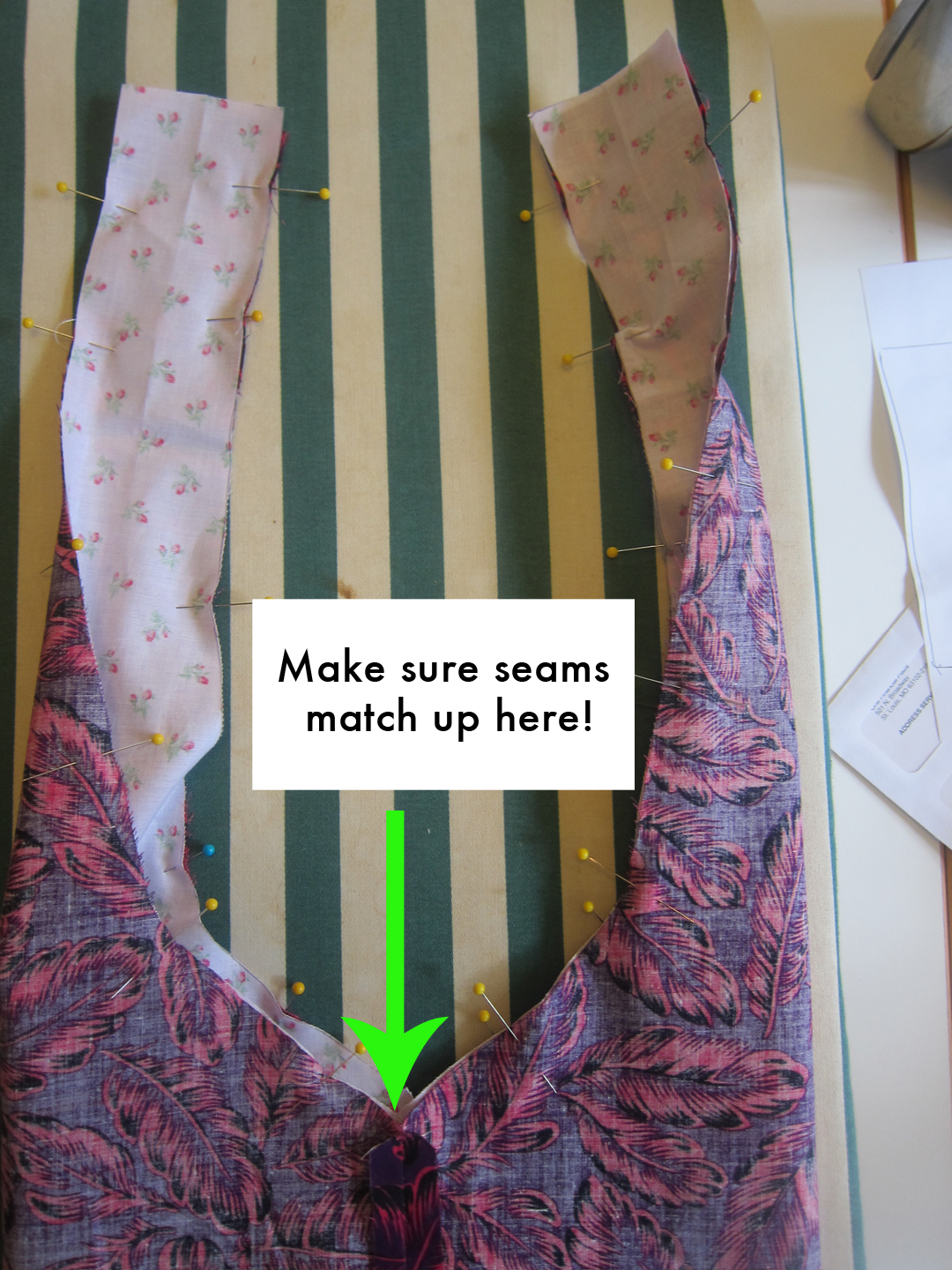
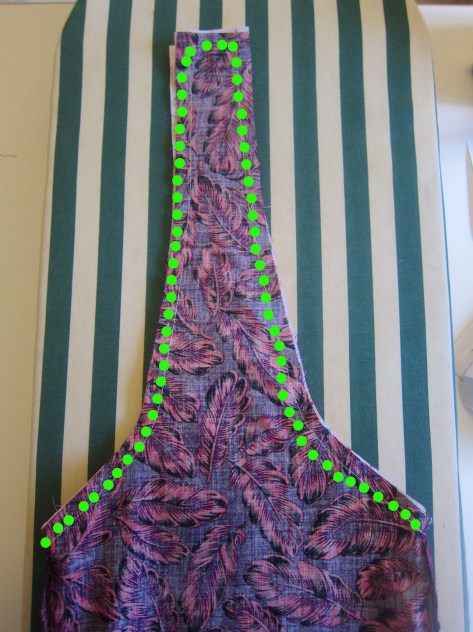
5. Make sure the seams from the outer and lining fabrics match up in the middle and pin all around the top edge and handles.
Tokyo Tie Bag -- Free pattern and tutorial from Alaska Knit Nat. Great beginner project.

Tokyo Tie Bag -- Free pattern and tutorial from Alaska Knit Nat. Great beginner project.

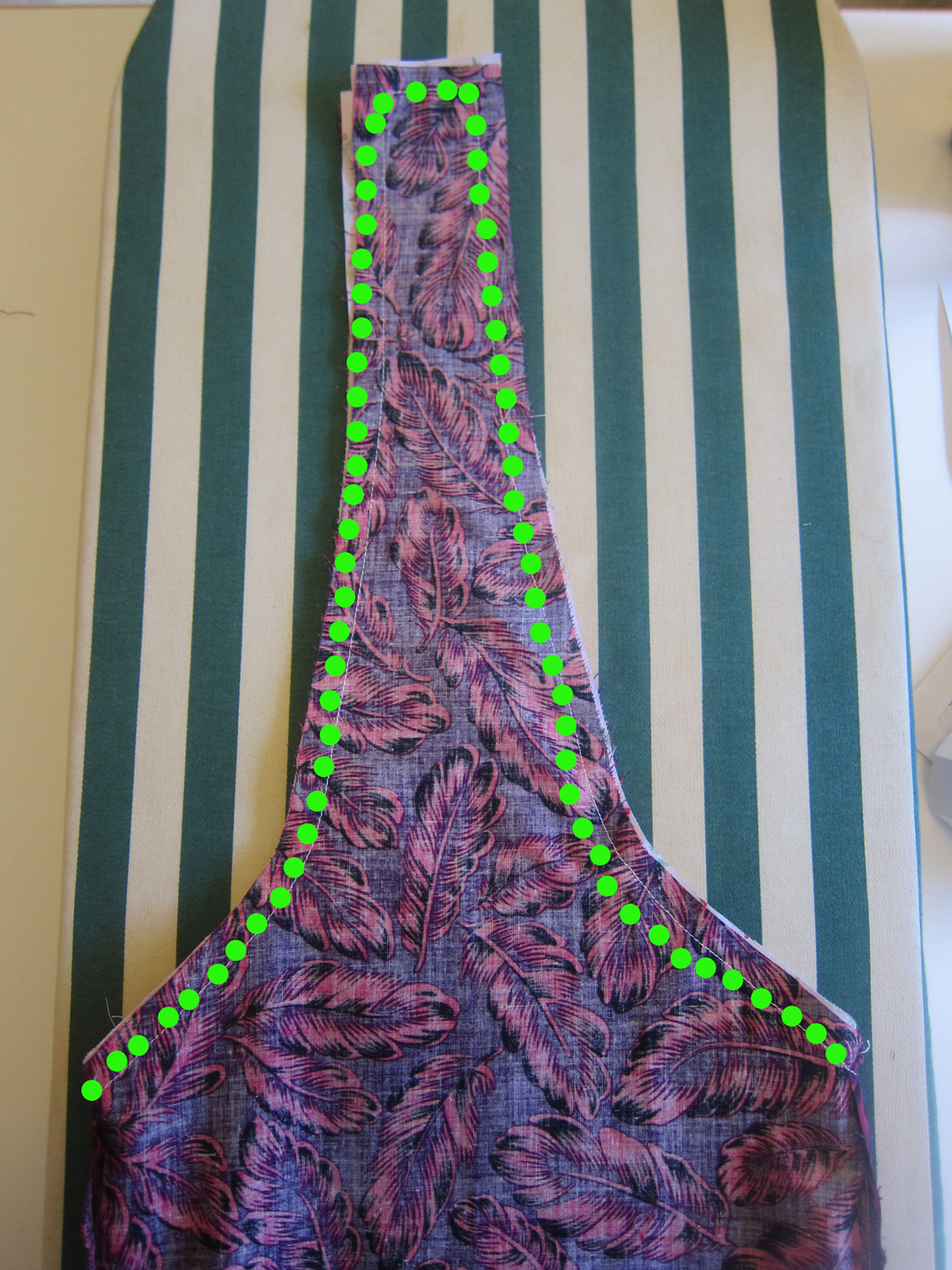
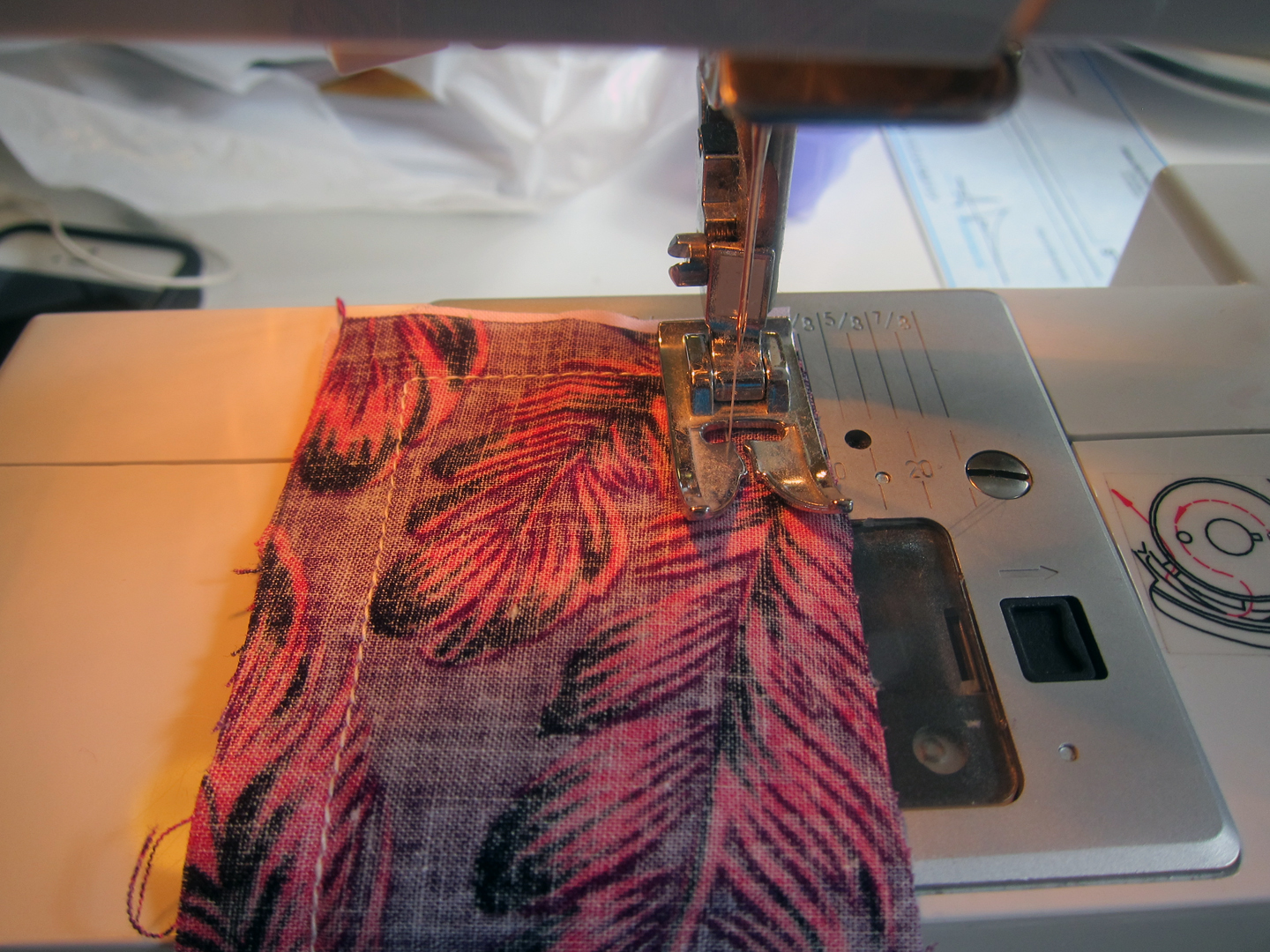
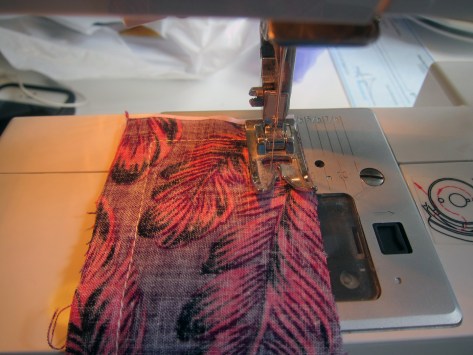
6. Sew all around the top edge, along the handles and back down again. Your seam should end at the same place you began as you’ll be sewing in a giant loop.
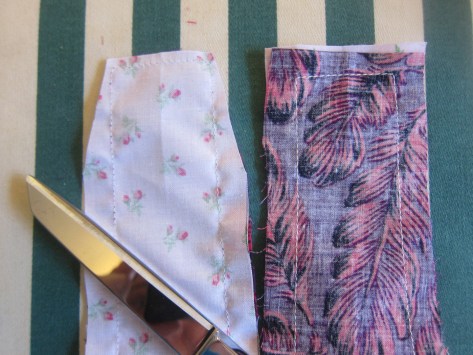
Tokyo Tie Bag -- Free pattern and tutorial from Alaska Knit Nat. Great beginner project.

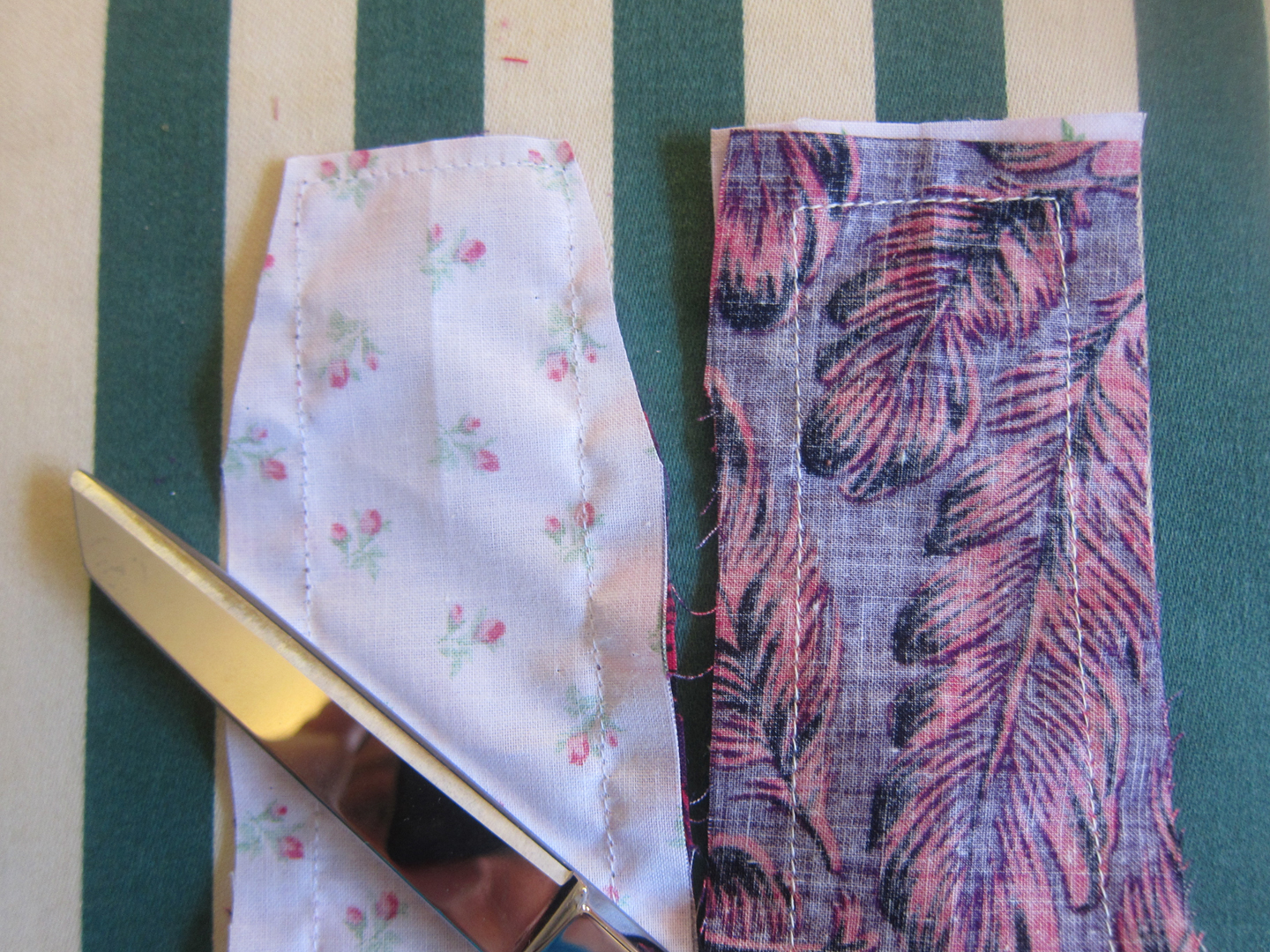
7. Trim the corners of the handles so there is less bulk.
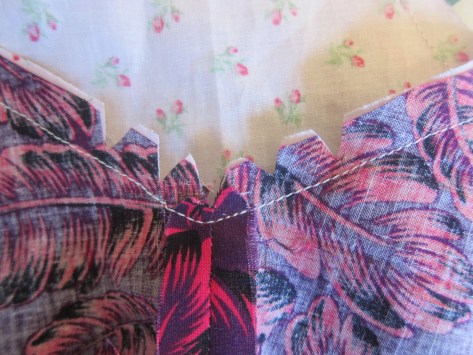
Tokyo Tie Bag -- Free pattern and tutorial from Alaska Knit Nat. Great beginner project.

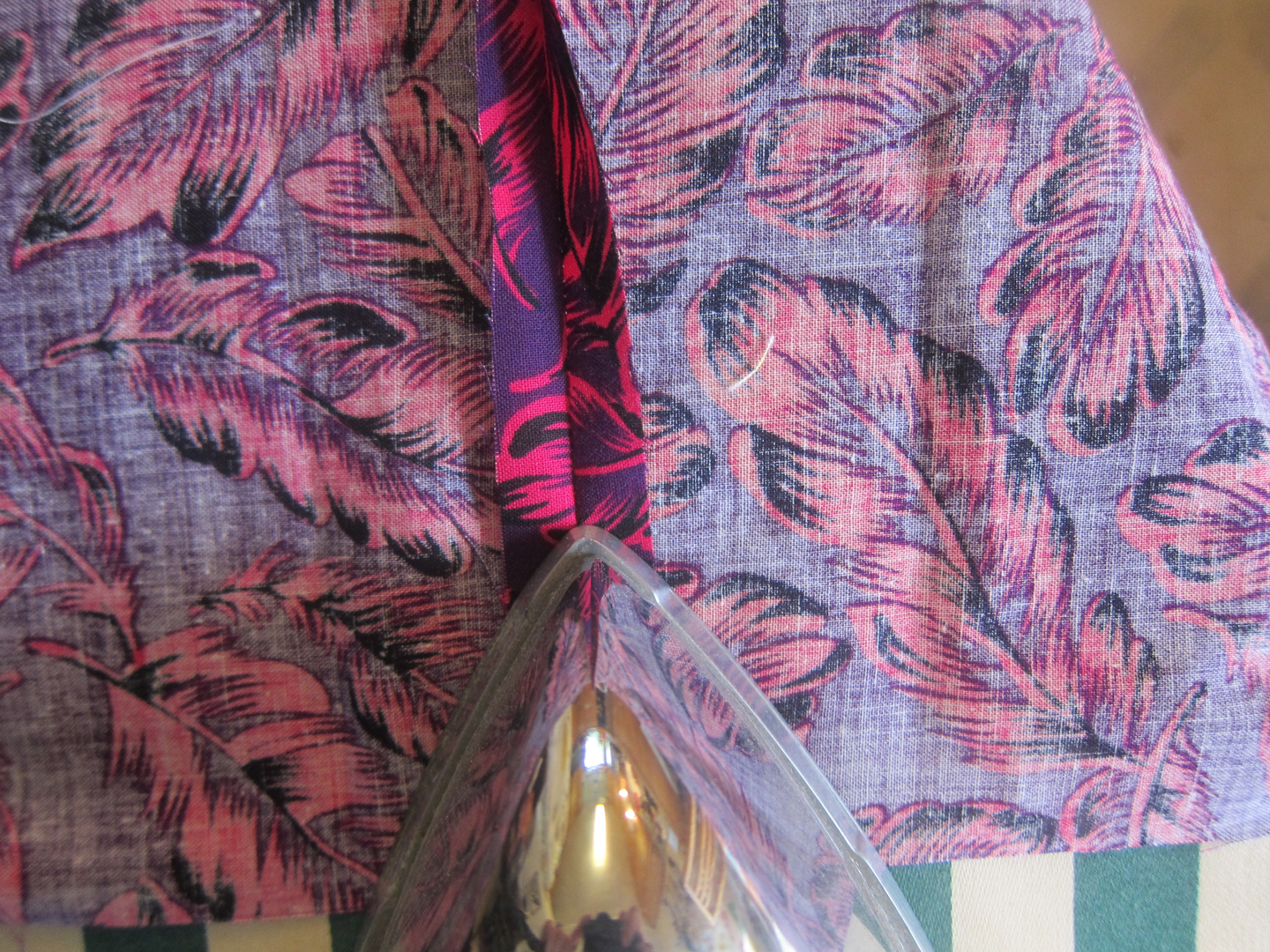
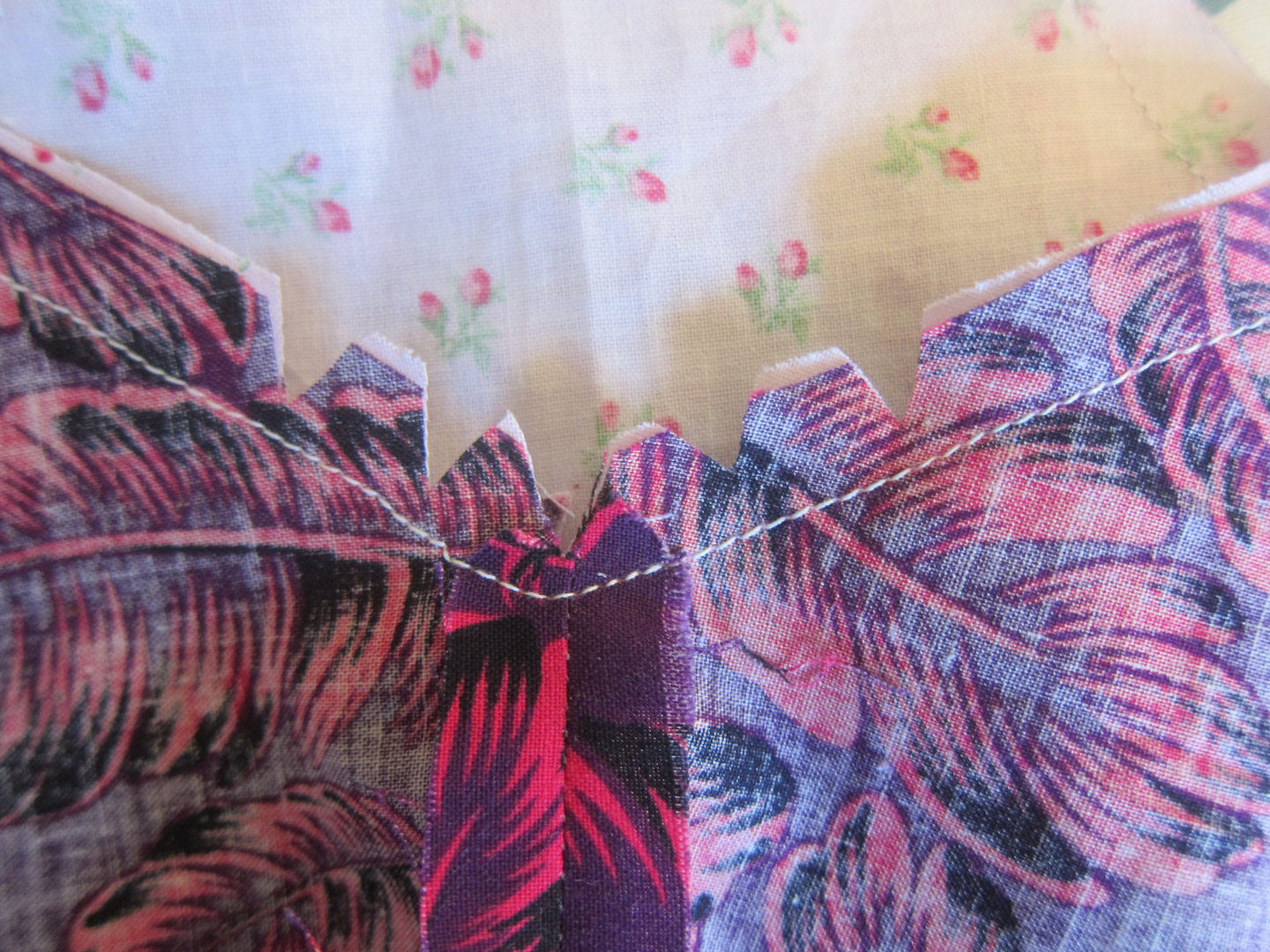
8. Cut notches at the center curves so the seam will be more smooth when turned right-side out.
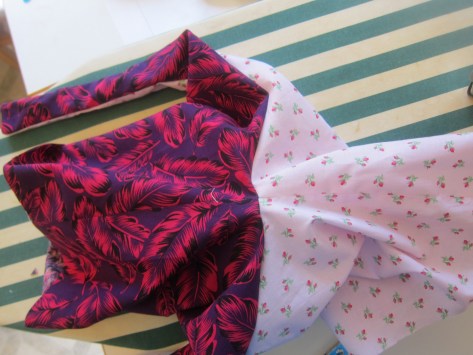
Tokyo Tie Bag -- Free pattern and tutorial from Alaska Knit Nat. Great beginner project.

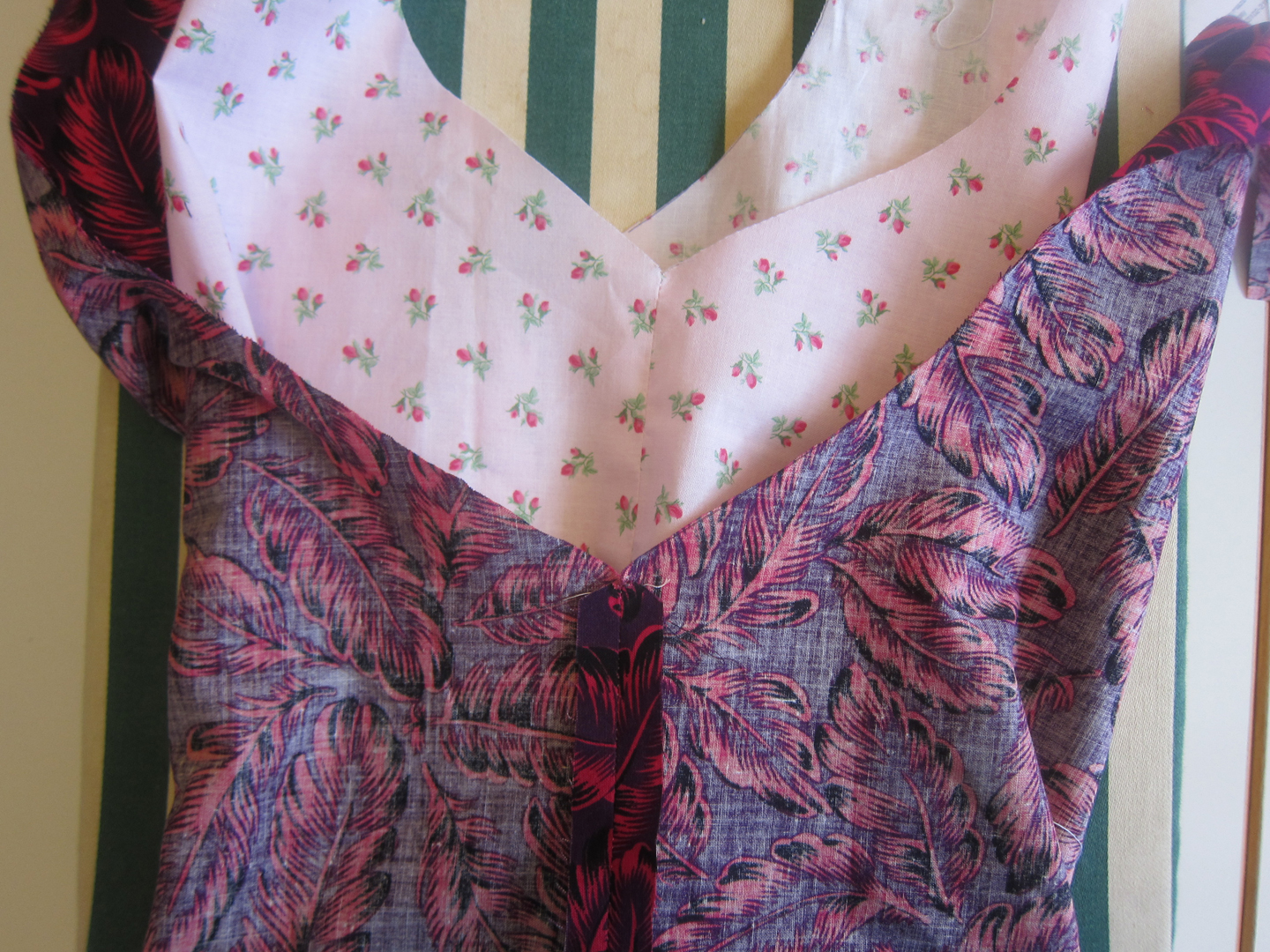
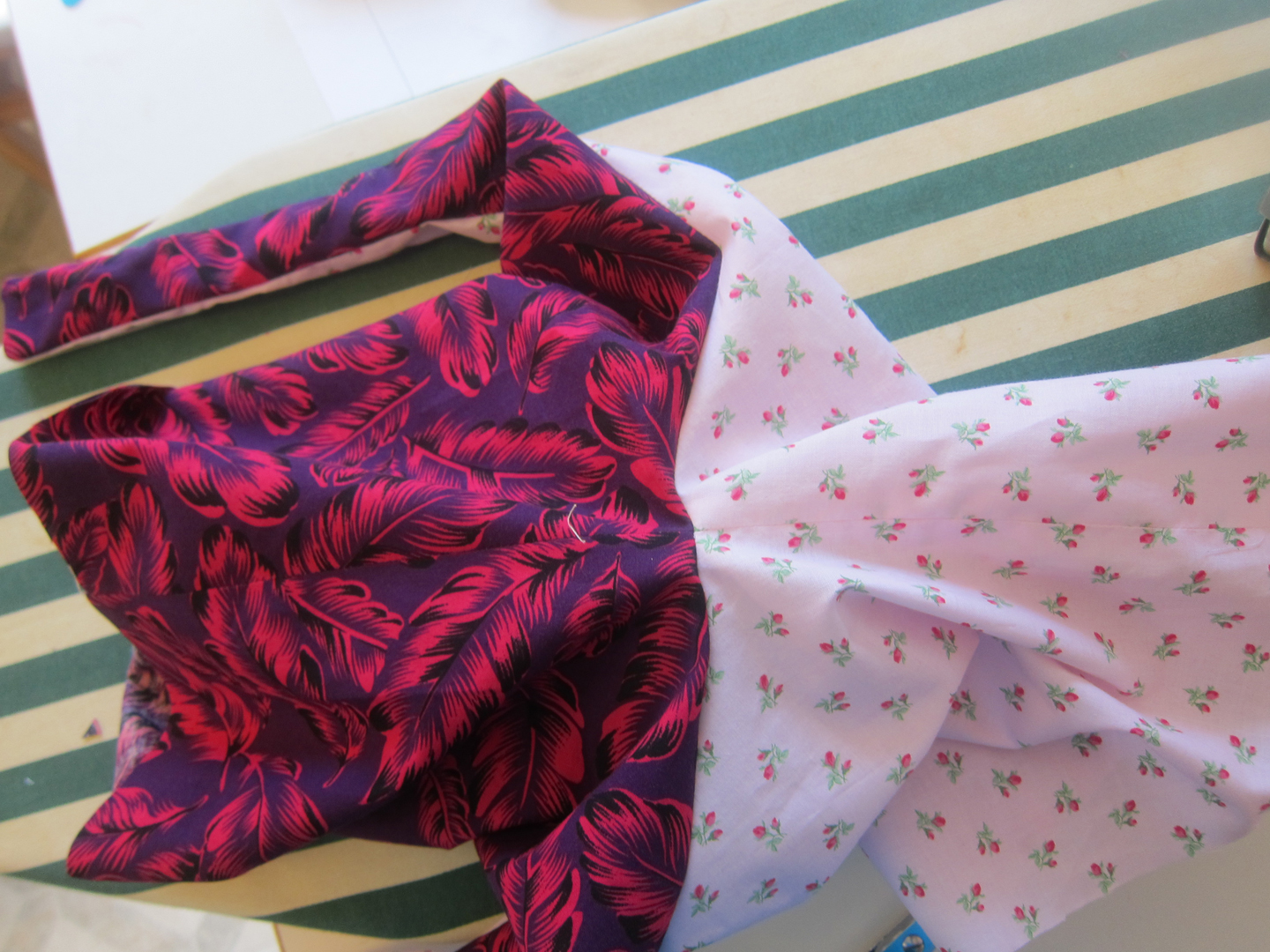
9. Turn the bag right-side out and use a chopstick to push out the handles. Stuff the lining down into the outer fabric. It should now look somewhat like a bag but with the bottom unfinished. Iron the whole bag flat.
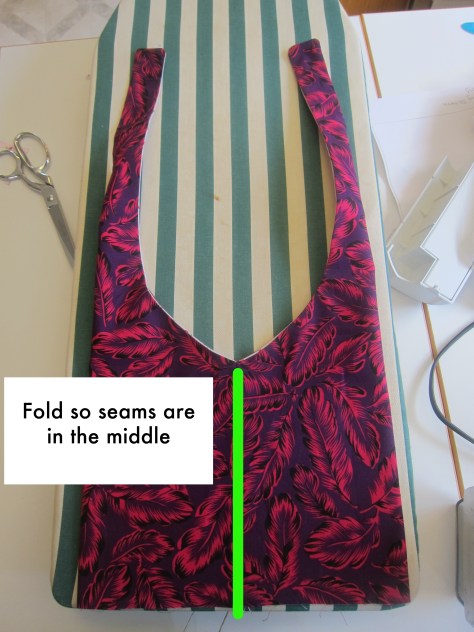
Tokyo Tie Bag -- Free pattern and tutorial from Alaska Knit Nat. Great beginner project.

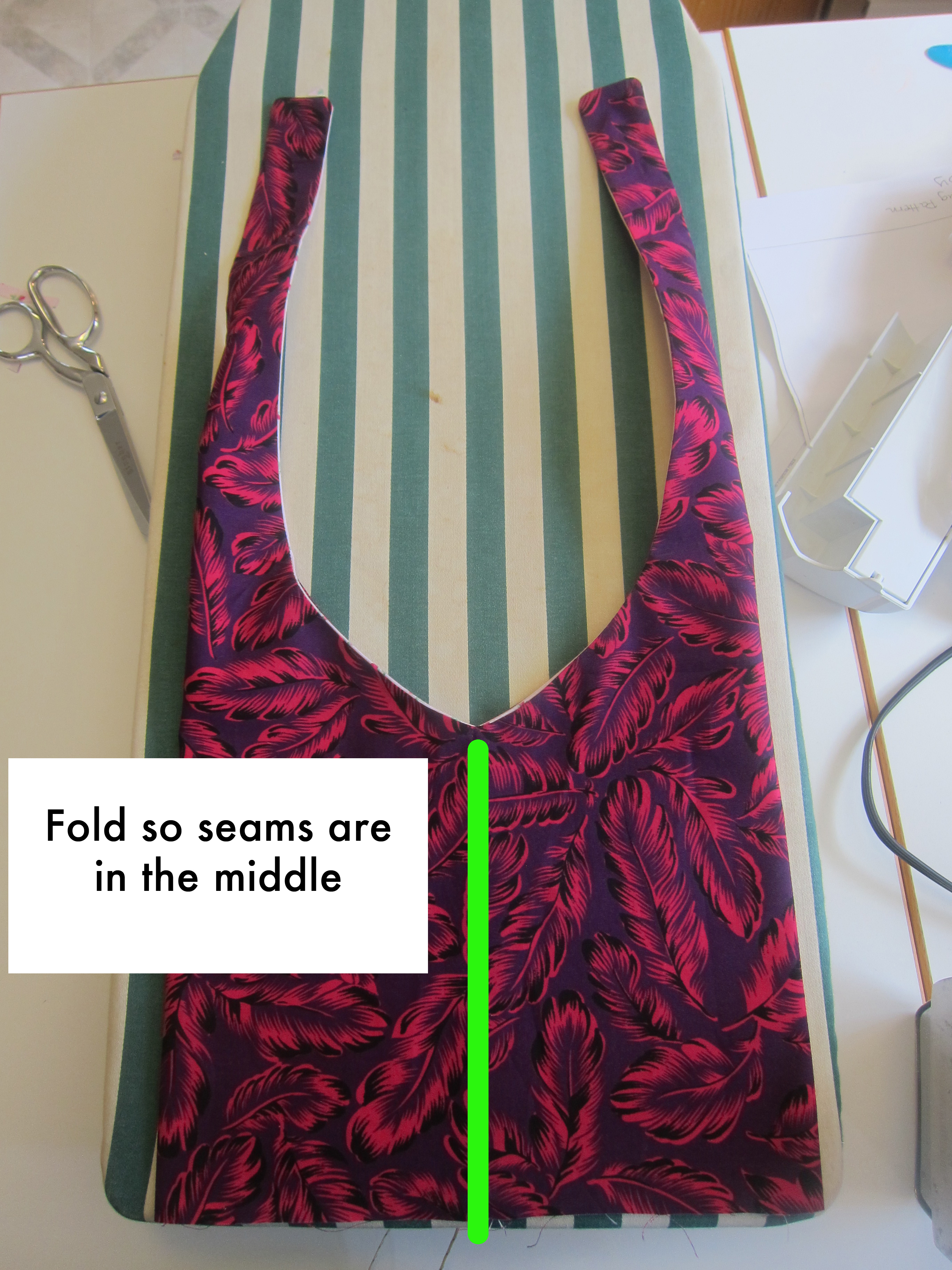
10. Lay the bag flat so the side seams are now in the middle. Make sure these seams line up on the bottom and then iron the bag flat.
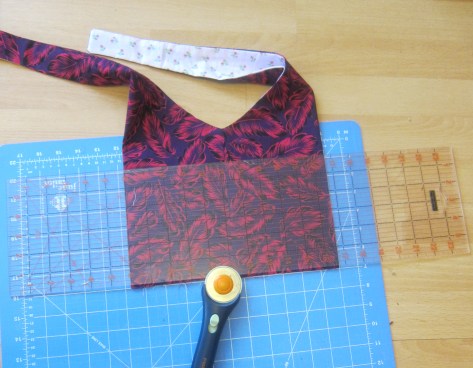
Tokyo Tie Bag -- Free pattern and tutorial from Alaska Knit Nat. Great beginner project.

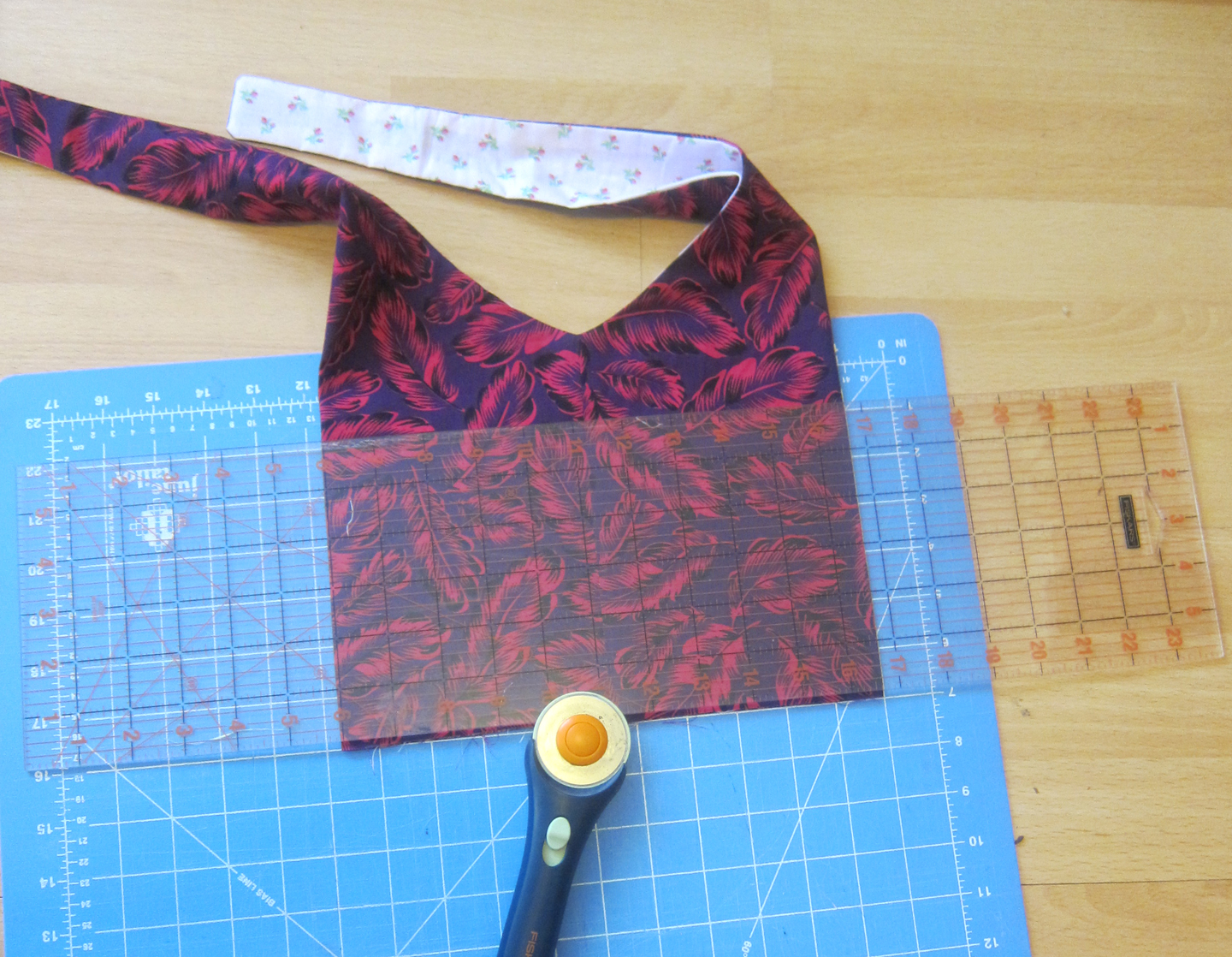
11. Using a rotary blade, cut the bottom edges of the bag so it’s all even. Sometimes things just aren’t lined up well and a good fresh cut will make it turn out better. This step is optional.
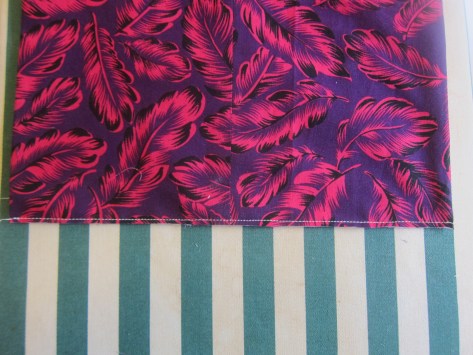
Tokyo Tie Bag -- Free pattern and tutorial from Alaska Knit Nat. Great beginner project.

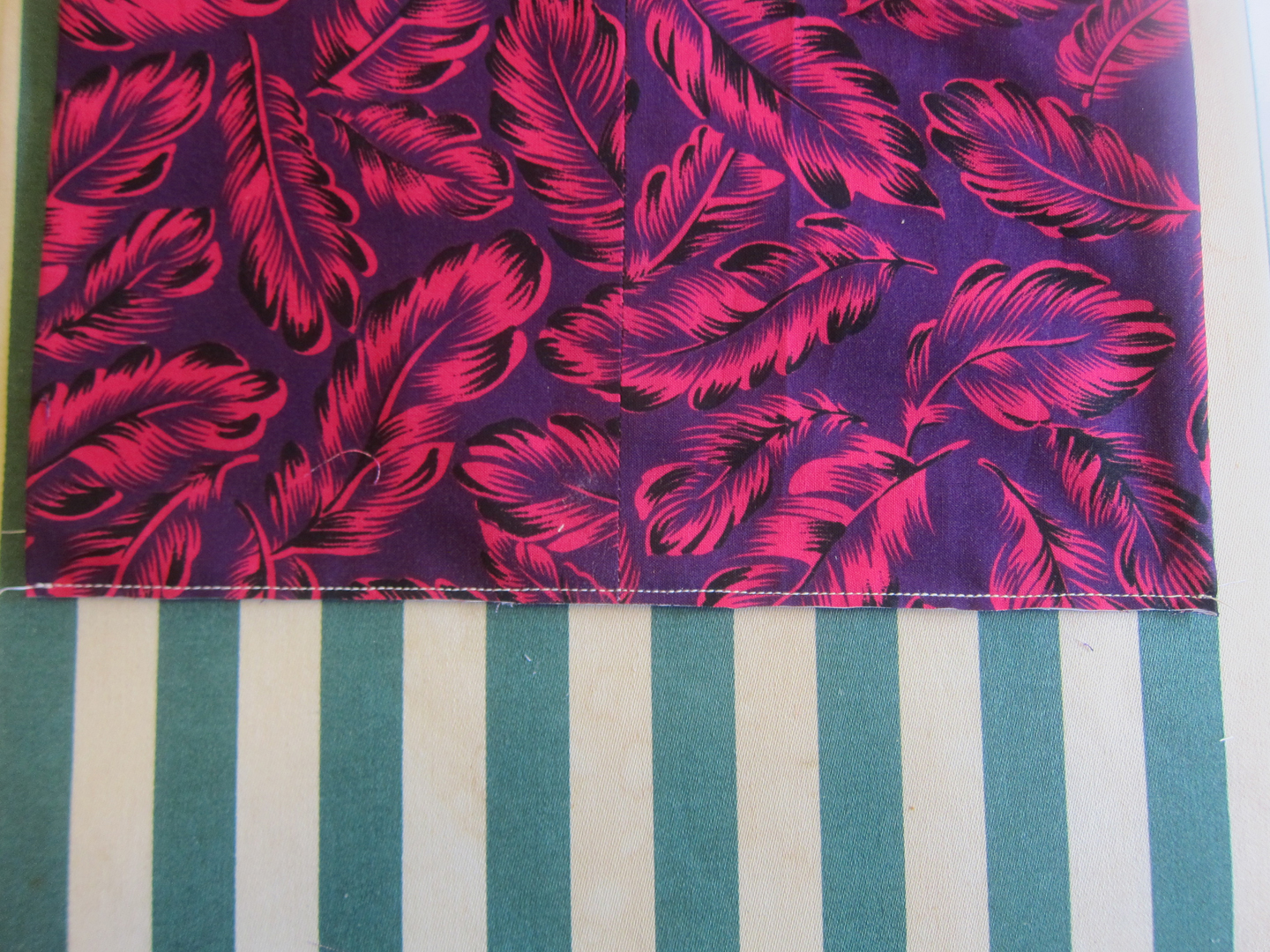
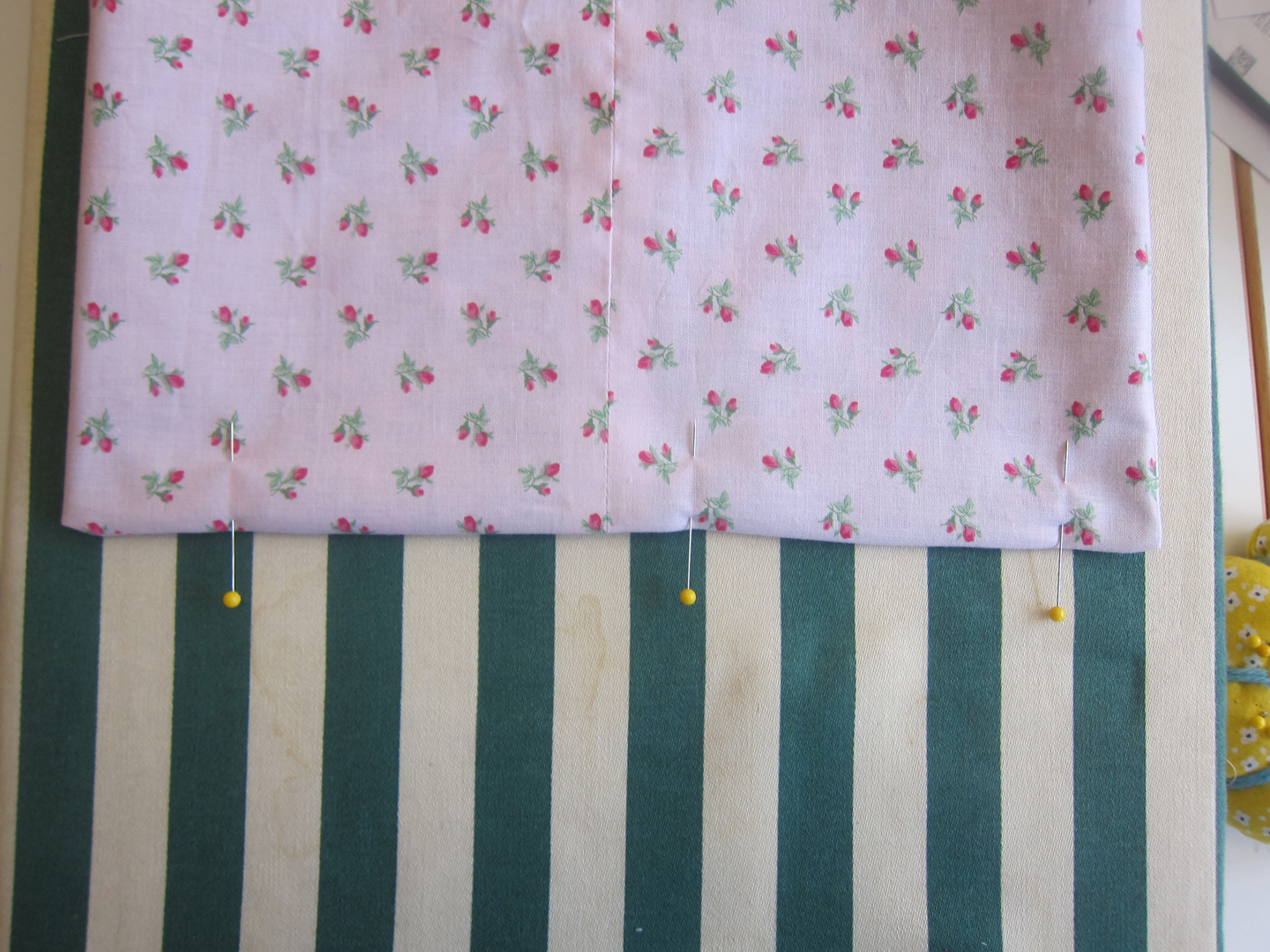
12. With the bag right-side out pin along the bottom edge, starting at the center seams so they line up on both sides. Sew along the edge with the shortest seam allowance possible.

13. Trim closely along this seam and turn inside out.
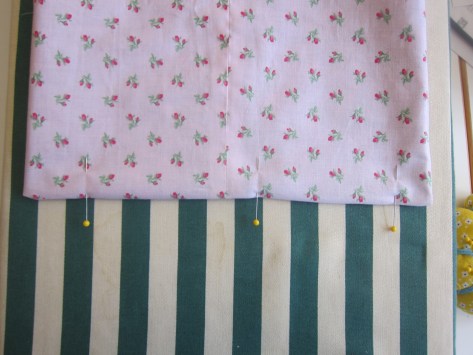
Tokyo Tie Bag -- Free pattern and tutorial from Alaska Knit Nat. Great beginner project.

14. Pin the now sewn shut bottom edge again and sew a new seam with 1/4-inch seam allowance. You have now created a French seam. Hurrah!

15. Turn your bag right-side out and iron one more time.
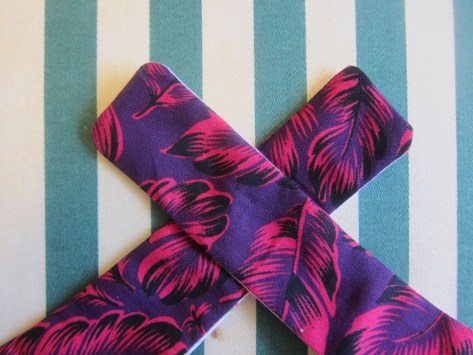
Tokyo Tie Bag -- Free pattern and tutorial from Alaska Knit Nat. Great beginner project. Tokyo Tie Bag -- Free pattern and tutorial from Alaska Knit Nat. Great beginner project. Tokyo Tie Bag -- Free pattern and tutorial from Alaska Knit Nat. Great beginner project.

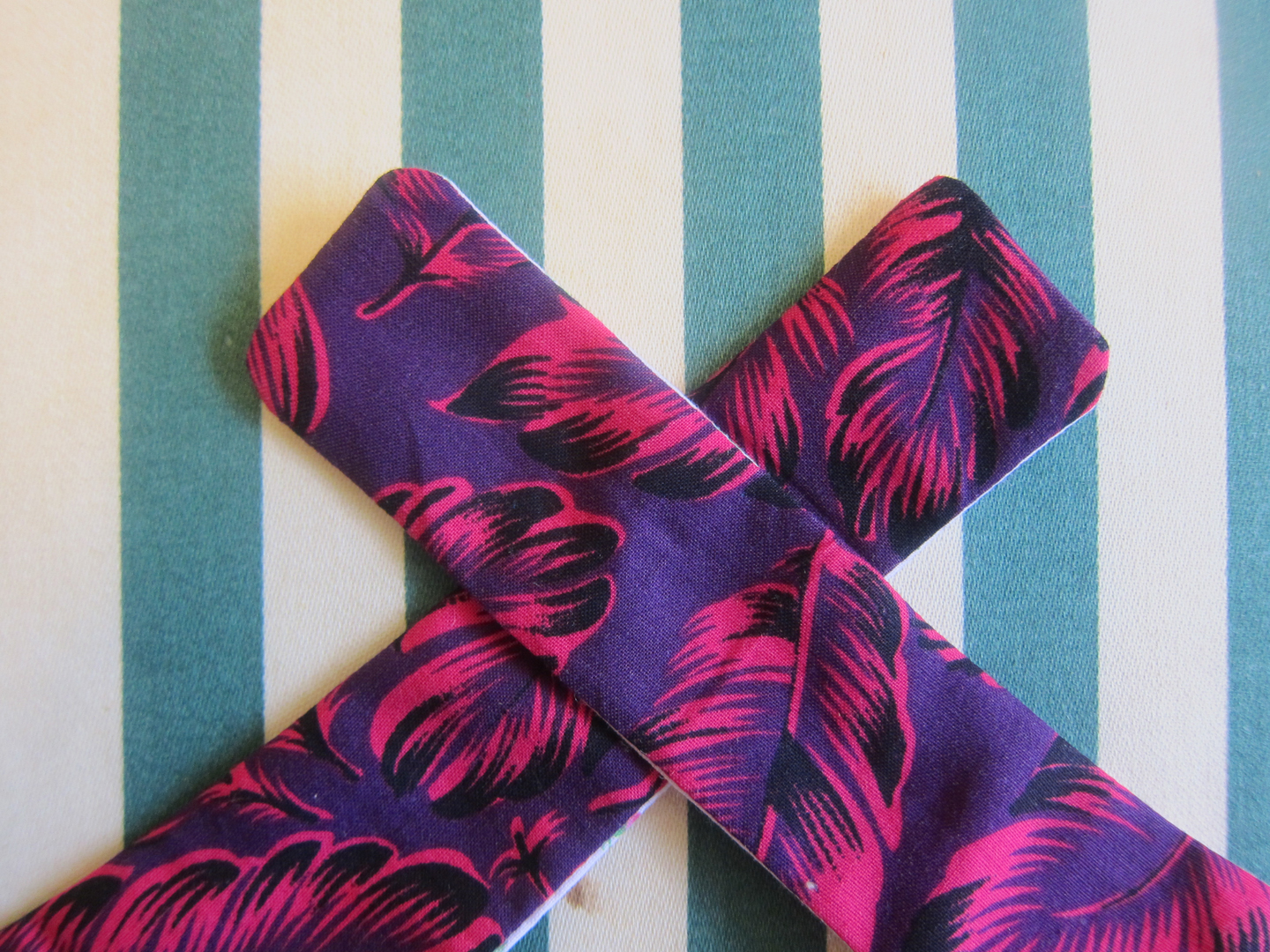
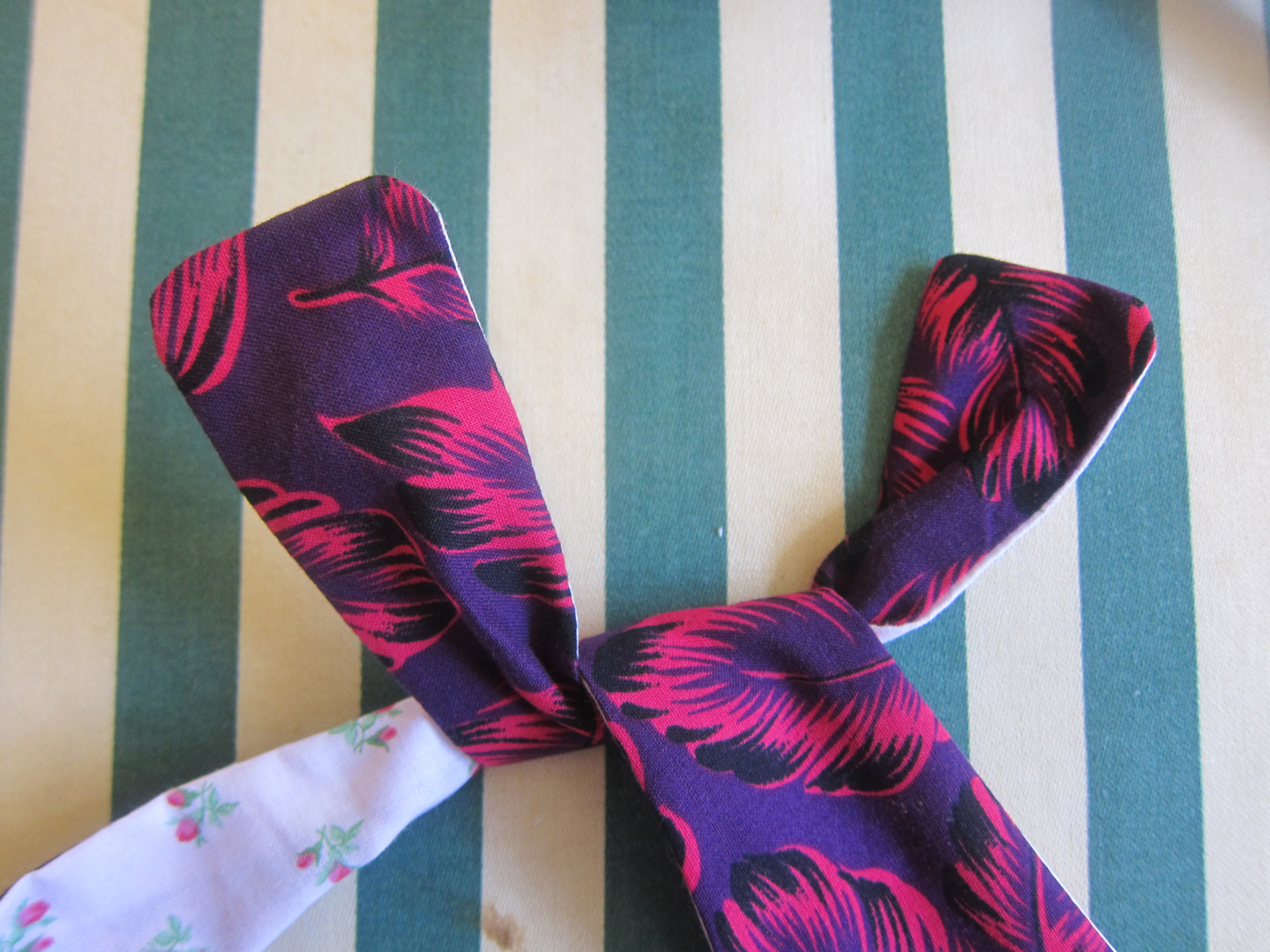
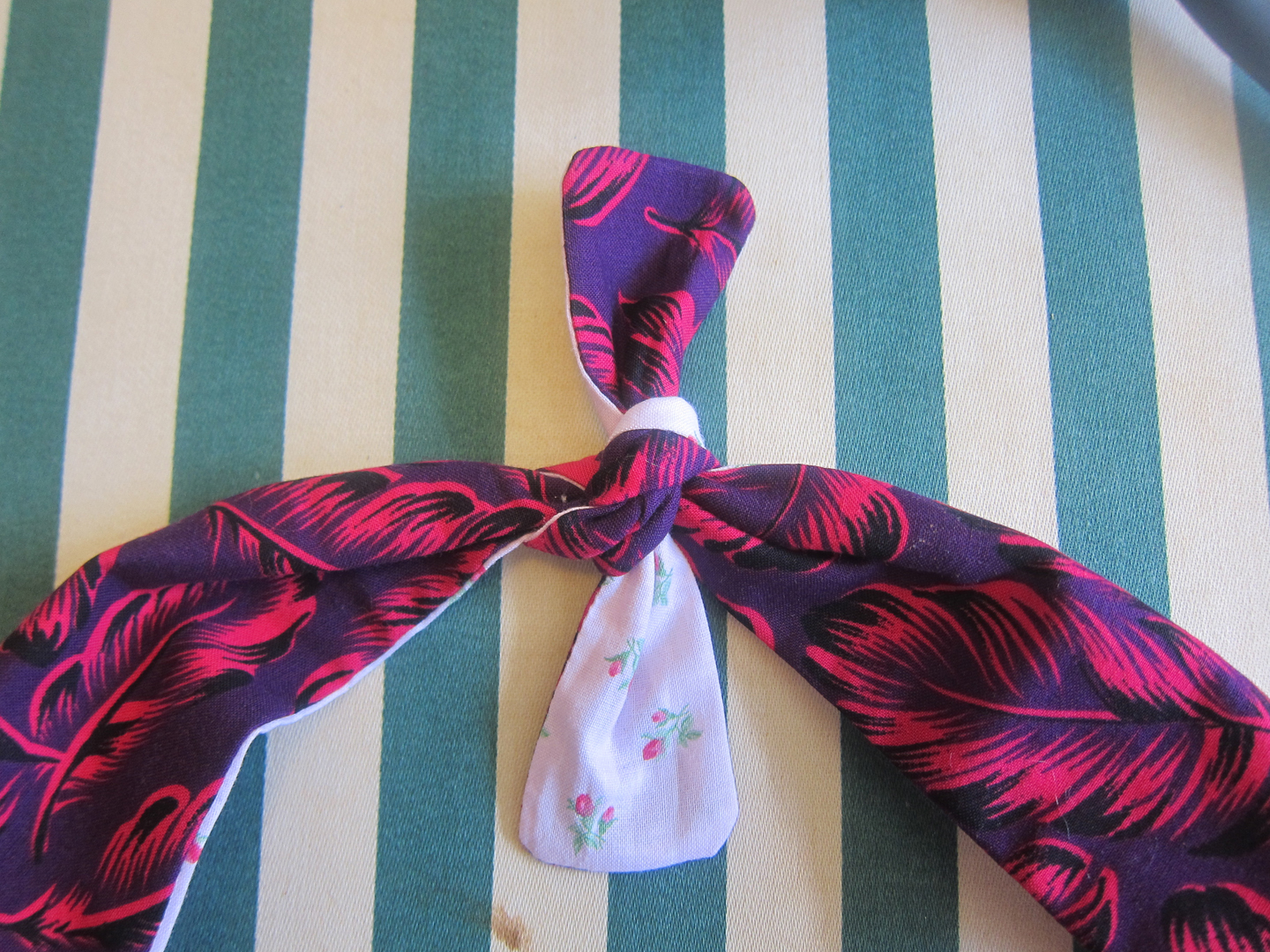
16. Join the two handles by tying a square knot.
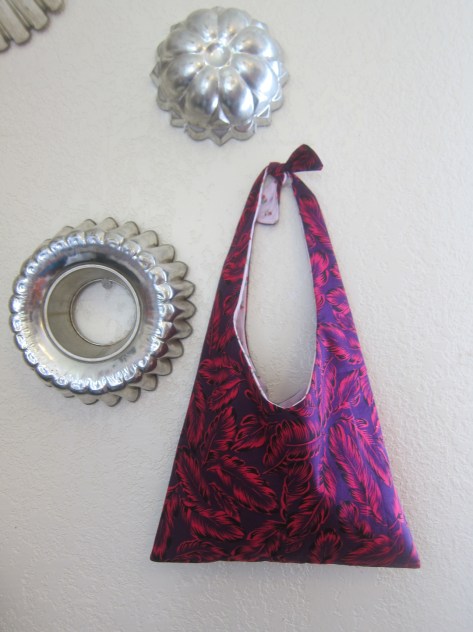
Tokyo Tie Bag -- Free pattern and tutorial from Alaska Knit Nat. Great beginner project.
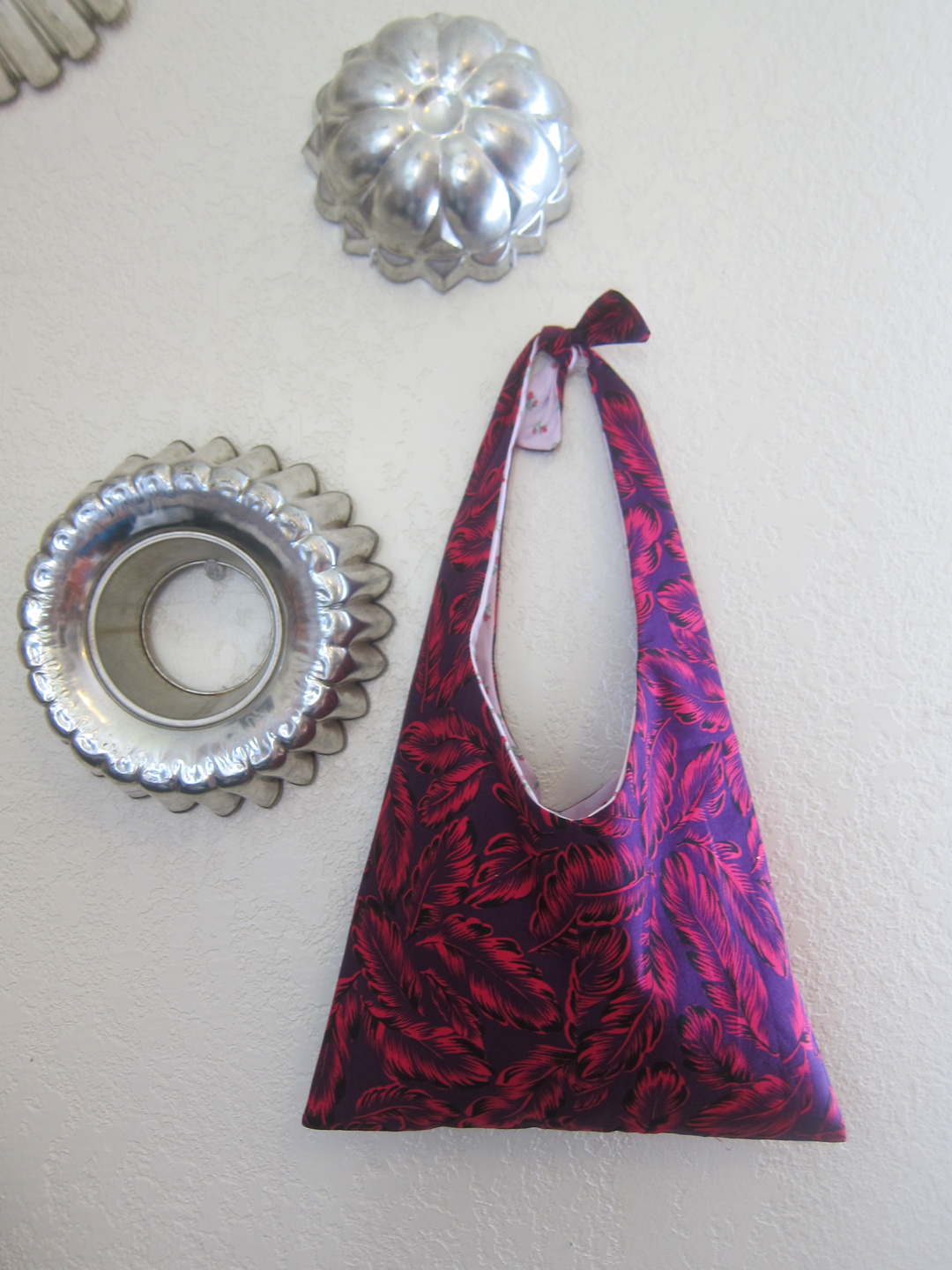
17. Admire your work. You’re a super sewer!
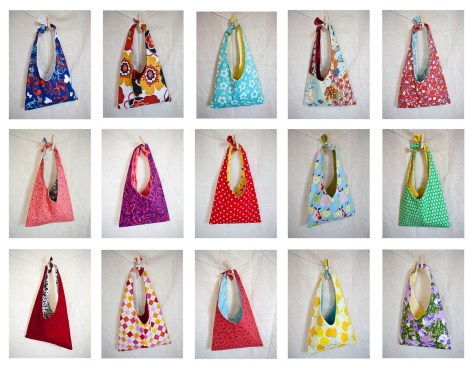
Tokyo Tie Bag -- Free pattern and tutorial from Alaska Knit Nat. Great beginner project.

Guest Post: Fan and Feather Lovey — Free Pattern

Today I have the honor of hosting a pattern by the ever-so-lovely Annie Ciszak Pazar, owner of Anchorage’s Bella Boutique and author of the crafty blog Annie’s Arts and Follies.

I’ve always admired this lady for her unique jewelry and undying motivation for knitting big ol’ scarves and cowls.

Recently a mutual friend of ours had a baby — today actually! I felt like there was no better day to showcase the stunning blanket Annie made for her new little girl. So I’ll hand it over to Annie:

I have a blanket on my bed which I affectionately call Lovey. Lovey was a gift from my grandmother at my mother’s baby shower for me, 30-some years ago. Lovey is still around. And on my bed. Needless to say I have a very tolerant husband and perhaps some slight attachment issues. So when it comes time to make special soft and cuddly things for my friend’s little ones, I choose the Lovey pattern – also known as Fan and Feather for those in the biz.

Fan and Feather Baby Blanket | Free Pattern

The first blanket I made was for my friend Jeni when she was expecting her second little one, Robert, as she and I have known each other for 97% of our lives – so it was only fitting she have a Lovey too.

Fan and Feather Baby Blanket | Free Pattern

(Left: my Lovey in 2011. Right: Robert’s Lovey)

  • Using a US6 (4mm) needle cast on a multiple of 18 stitches + whatever you want for a border, but at least 1 stitch on either end (I add 10 – 5 on each side).
  • Knit 10 rows
  • Assuming 5 stitches at each end, work the following 4 rows until you reach desired length:
  • Row 1: knit
  • Row 2: purl
  • Row 3: k5, * k2 tog 3 times, (k1, yo) 6 times, k2 tog 3 times * repeat from * to * until last stitch, k5
  • Row 4: knit
  • When you have reached desired length, knit 10 rows to finish border. Weave in ends.

Fan and Feather Baby Blanket | Free Pattern

This latest blanket is for a local fab lady who keeps me in popsicles all summer on her funky custom PopCycle bike complete with cooler sidecar. I worked on this one from Alaska to New York and back again, and find it only appropriate that it already be travelling as the parents to be met while exploring the world in another country.

This is a super easy and rather fast pattern which looks more complicated than it is. In a bout of bravery I entered one in the Alaska State Fair 2 years ago and brought home a green ribbon and honorable mention in the baby blanket category. But what it really comes down to, is my hope that the kiddos for whom I make these little Lovey’s, love them as much as I love mine (or maybe a little less – there’s that attachment thing…).

Want to see more of Annie’s work? Check out her Etsy store!


Thrift Store Skirt Refashion — Free Tutorial

Floral prints are all the rage these days and I’m always finding skirts at the thrift store that have pretty patterns, but they are just too long for my stumpy legs.

You’ve probably come across these types of skirts — they are from the ’90s, ankle-length and look as though a church lady might wear them.

If you have basic sewing skills it’s pretty simple to shorten a skirt to a more youthful length. It only took me 45 minutes and I went from bake sale mom to hipster mom for $2.50. You can too!

Thrift Store Skirt Refashion -- go from bake sale mom to hipster mom in less than an hour!

Materials:

One thrift store skirt in your size

Ruler

Straight pins

Chalk or pencil

Fabric scissors

Sewing machine

Iron

Thrift Store Skirt Refashion -- go from bake sale mom to hipster mom in less than an hour!

Step 1: Iron your skirt if it needs it.

Step 2: Determine how much length you’d like to cut off. I wanted the skirt to fall just above my knees, which was about 10.5 inches from the original hem. I subtracted 1.5 inches to account for the new hem. For me, 9 inches was how much I needed to remove.

Thrift Store Skirt Refashion -- go from bake sale mom to hipster mom in less than an hour!

Step 3: If your skirt has buttons down the front, unbutton it and lay it flat, wrong side up. With a ruler and chalk or pencil go along the bottom of the skirt and mark 9 inches all around. I didn’t do this accurately at all and it still worked out fine. My skirt had a slight arc to it so I eyeballed it here and there.

Step 4: Cut along the measurement lines you made.

Thrift Store Skirt Refashion -- go from bake sale mom to hipster mom in less than an hour!

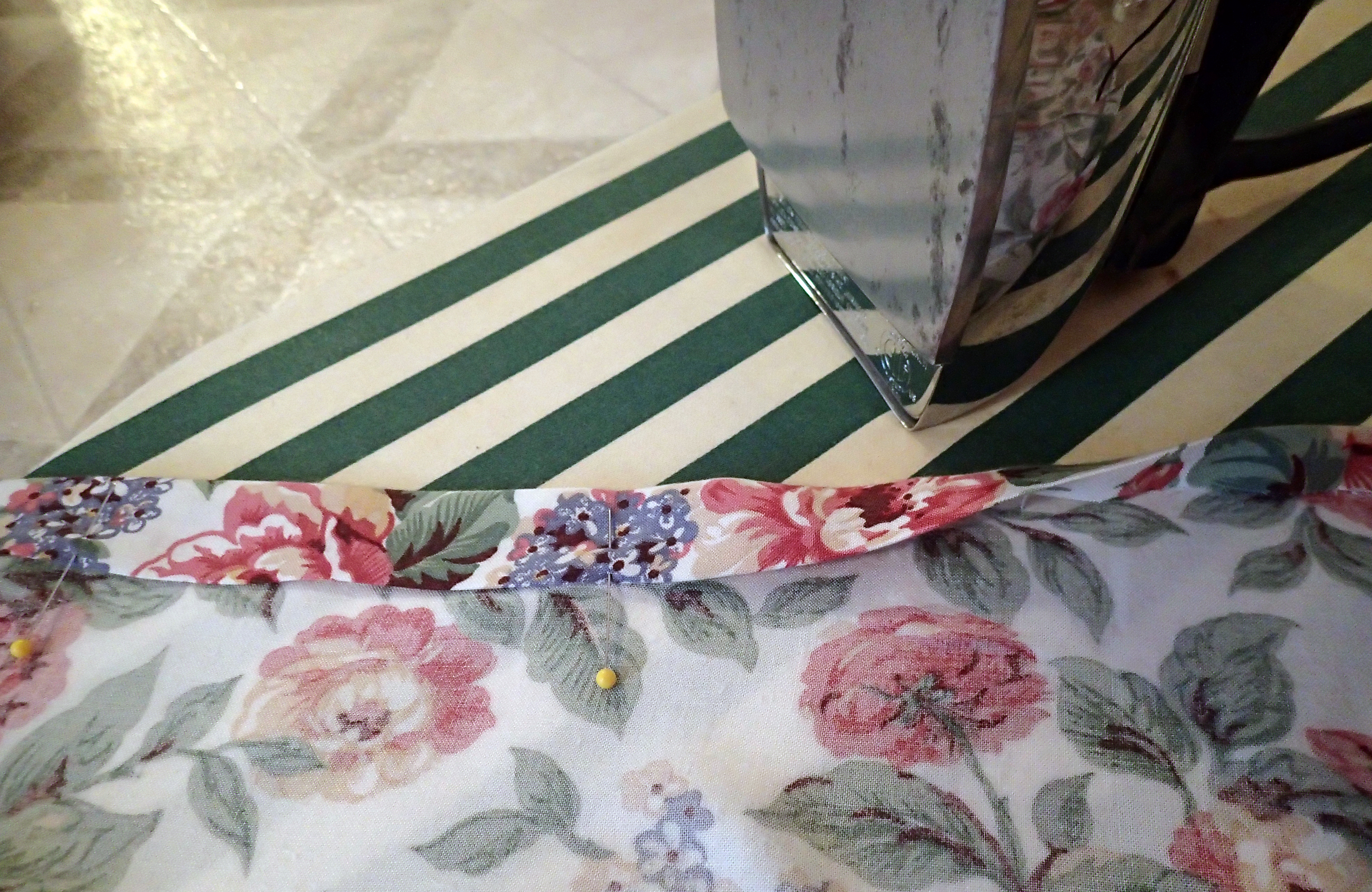
Step 5: With your iron, turn under 1/2 inch from the edge all across the skirt.

Thrift Store Skirt Refashion -- go from bake sale mom to hipster mom in less than an hour!

Step 6: Turn under 1 inch all around and iron down, pinning as you go. *NOTE* if your skirt buttons in the front, make sure your ends match in the front. Mine were really off so I had to re-iron and eyeball it till it worked. Doesn’t need to be perfect, especially if it’s a flowing skirt. No one will notice if the back is slightly shorter than the front.

Thrift Store Skirt Refashion -- go from bake sale mom to hipster mom in less than an hour!

Step 7: Sew a seam along the hem 3/4 inches from the folded edge, backstitching at the beginning and end.

Step 8: Trim all threads and run an iron along the hem one last time.

Step 9: Put on your skirt and admire your crafty awesomeness.

Thrift Store Skirt Refashion -- go from bake sale mom to hipster mom in less than an hour!

Homemade ABC Book — Free Tutorial

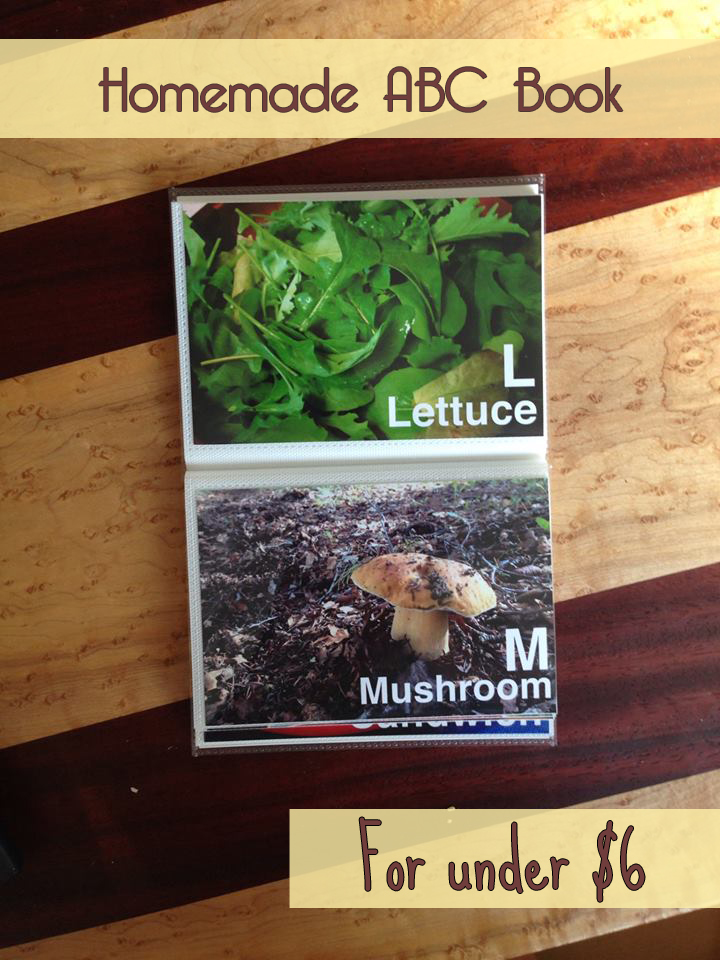
My son is starting to pick up on the alphabet and lately he’s been into ABC books. I was browsing Pinterest and came across a great idea. A homemade ABC book using personal photos.

With some basic Photoshop skills and a trip to Walgreens and Michael’s Crafts I was able to make a fantastic photo book for only $5.50.

Homemade ABC Book -- Free Tutorial

You can use phone, Instagram or digital camera photos as long as you size them well. I’m a self-taught Photoshop gal. Here’s a step-by-step guide to how I made my book, but I’m sure my techniques are not exactly textbook methods — but they work!

Homemade ABC Book -- Free Tutorial

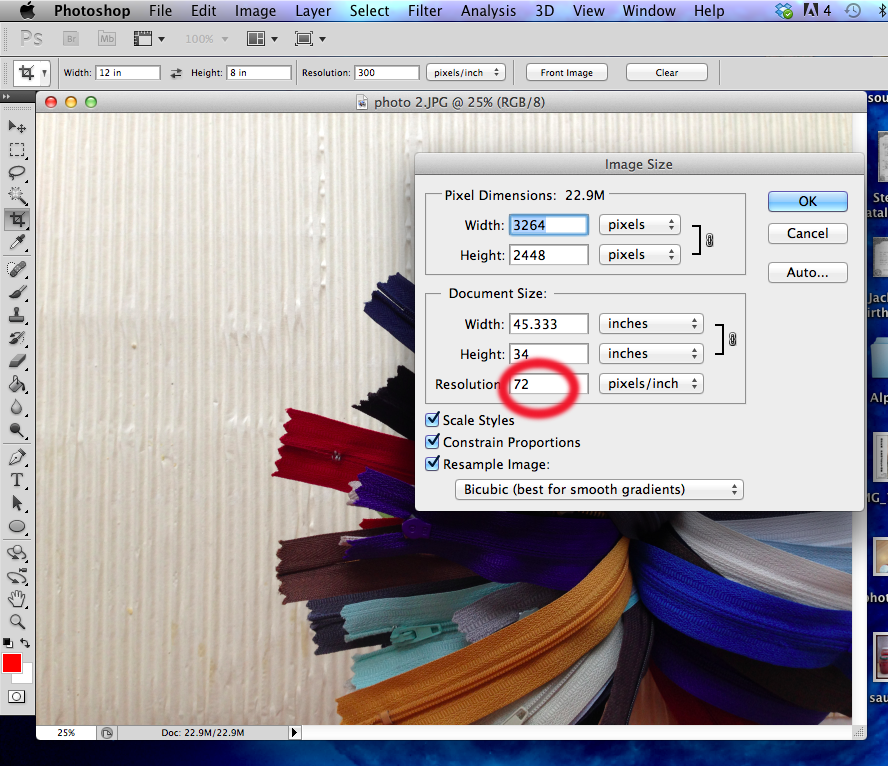
Step 1: Open your image in Photoshop. I encourage you to make all your photos the same resolution — one of a printable quality — so that they all look more uniform. My personal photos come in several different sizes and resolutions depending on what camera I used. I made them all the same so the font size would be the same on each photo. A 140 pt. font on a 180 dpi resolution will look a different size from 140 pt. on 300 dpi.

Homemade ABC Book -- Free Tutorial

Step 2: Go to Image<Image size and take a look at the size of your photo. If the dpi is 180 or more, you’re good to go. Most of my Instagram and iPhone photos are really low resolution, such as 72 dpi, but really large in dimension, such as 45 inches wide. If you were to just resize the photo and leave a low resolution they wouldn’t print well.

Homemade ABC Book -- Free Tutorial

Step 3: Click the crop tool and enter the dimension and resolution you want for the photo. I selected 12×8 with 300 dpi to maintain as much data in the photo as possible (it will print better this way). Crop the photo the way you would like it.

Homemade ABC Book -- Free Tutorial

Step 4: Make sure your background layer is unlocked (double click the little lock next to the layer name). Create a new layer. Choose the font you’d like. I selected Helvetica bold. Type in your letter. I used 140 pt. font. Add a new layer. Type the word you want. I used 90 pt. font. With the selection tool, position the letter and word where you’d like them. If your photo is dark consider making the letters white. Leave enough space between the edge of the photo and the words in case the printers cut the photo funny.

Homemade ABC Book -- Free Tutorial

Step 5: Save your photo as a .jpg and make 25 more!

Step 6: Upload your photos to a photo printing site such as Walgreens and print 26, 4×6 prints. Search for online coupons. I saved $1.50!

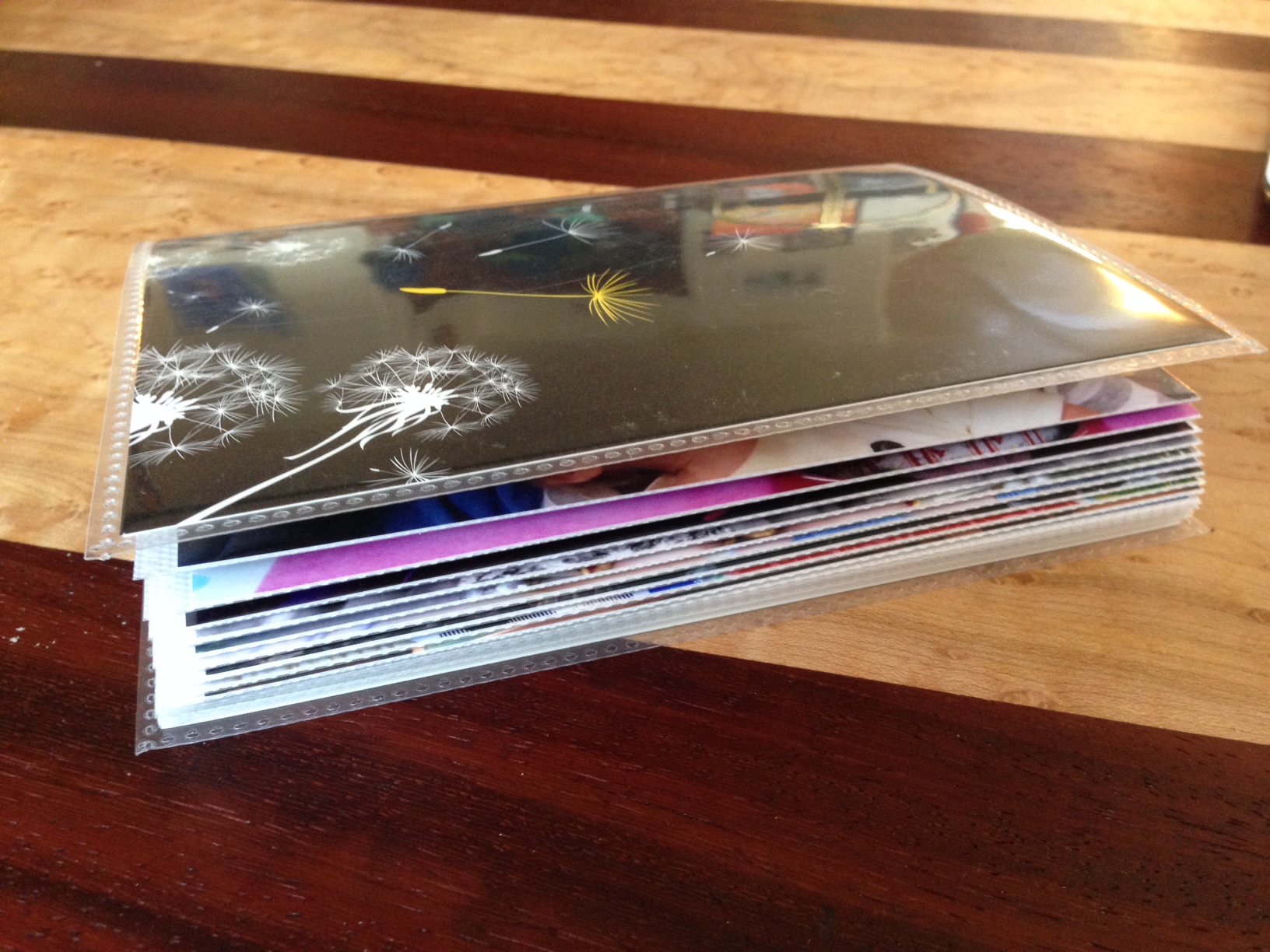
Step 7: Purchase a “brag book” at a craft store. It’s just a floppy plastic photo album that holds up to 36, 4×6 photos. I had a coupon for Michael’s so I saved $1!

I don’t think I need to explain the rest. But you’ll end up with a personal ABC book that hopefully your child will love. Our child already recognized several familiar people and objects in his book.

Homemade ABC Book -- Free Tutorial