Category Archives: Tutorials

Striped Baby Hat — Free Pattern

I swear there are Borrowers living in our house. They have possibly shacked up in our entryway, but I’m pretty sure they have borrowed four pacifiers, two house keys, some rubber stamps and the new hat I just knit for baby Jack.

So here I am at home on a Monday because Jack is sick. I’ve succeeded in making breakfast and putting him down for a nap. I have failed in getting dressed.

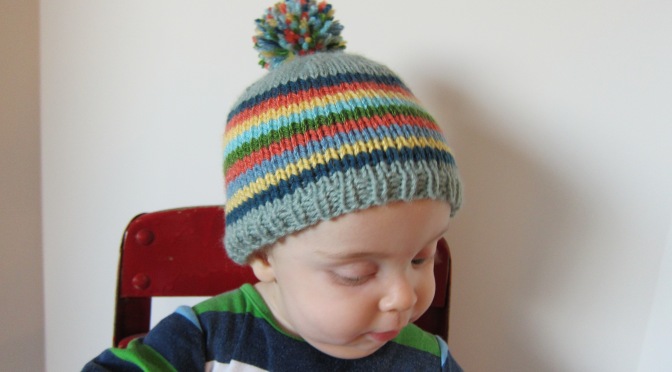
Other success — new hat!

Baby Striped Hat

Here’s how you can make your very own baby hat with stripes.

If you’re wanting to knit this pattern with a different needle size and different weight yarn, I am unable to adjust the pattern for you. This pattern is written for a specific needle size and yarn weight.

Materials:

Leftover worsted weight yarn. You really don’t need much. Up to six colors.

Size 9 circular and double pointed needles

darning needle

large fork for pom-pom

Abbreviations:

k1, p1 = knit 1, purl 1 ribbing

k2tog = knit two stitches together

Baby Striped Hat 2

Directions:

With your circular, cast on 64 stitches and knit last stitch to first stitch without twisting the stitches. K1, P1 for five rounds with main color. Knit two rounds regularly. Cut yarn leaving a four-inch tail. Start knitting with new color. After a few stitches, loosely tie the ends of the two colors together. You’ll tighten this up later, but it’ll help to do this along the way. Knit 2 rounds of each color until you have knit 20 rounds, not counting the ribbing. Switch back to the main color and knit 7 rounds.

Decrease as follows:

Place a marker if you need to, but I can tell where the beginning of the round is based on the stripes.

K2tog, K6, repeat till end of round

Knit one round

K2tog, K5, repeat till end of round

K one round

K2tog, K4, repeat till end

K one round while transferring to double pointed needles. Or knit the round and transfer stitches — whatever’s easier for you.

K2tog, K3, repeat till end

Knit one round

K2tog, K2, repeat till end

Knit one round

K2tog, K1, repeat till end

K2tog, repeat till end.

Cut yarn leaving a long tail. With darning needle, weave in the tail from the beginning and end.

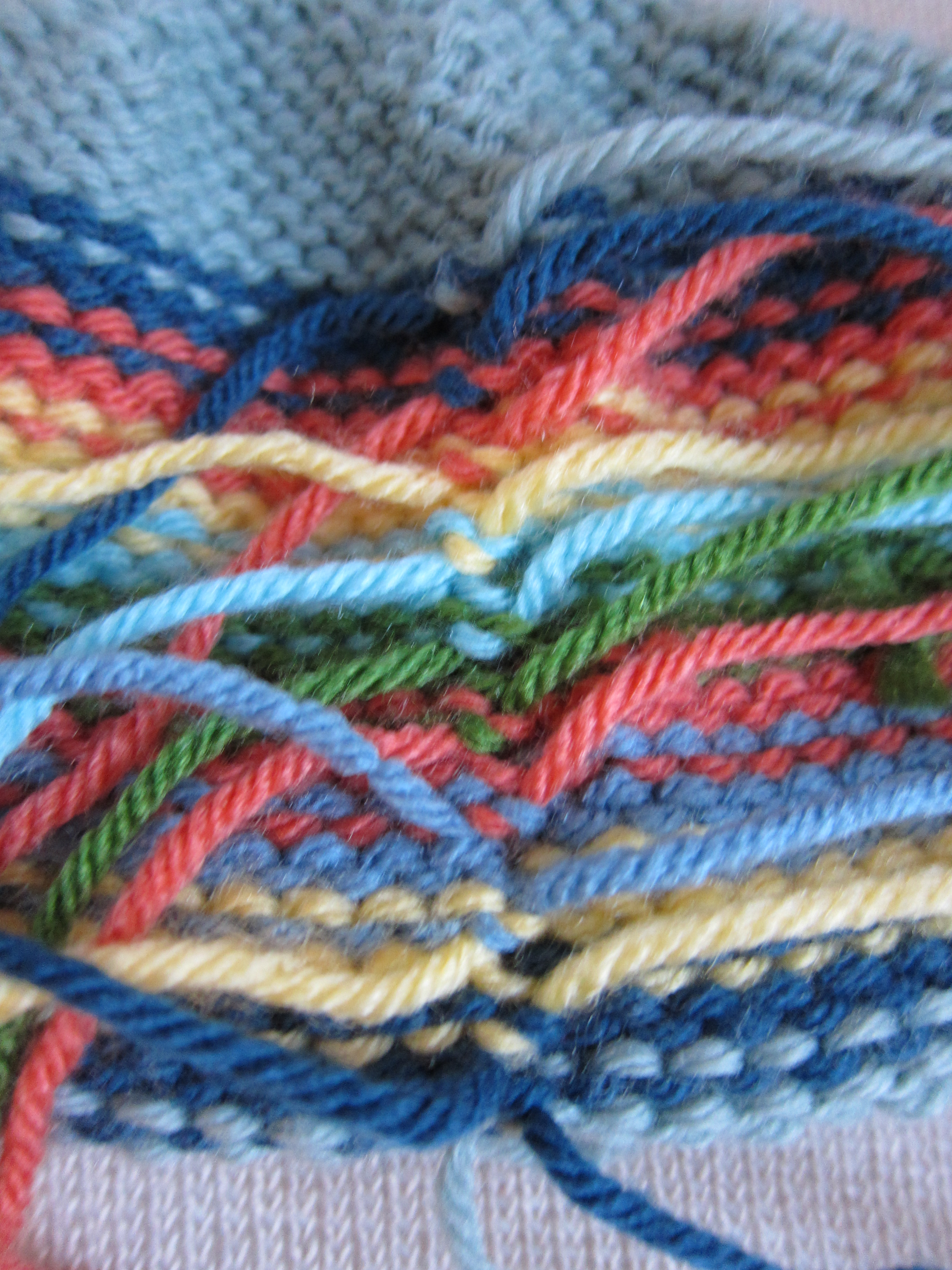
The inside of your hat should look pretty cool, with all sorts of colorful ends. Tighten all the knots you made and then double tie them. Don’t pull too tightly as you want the stitches on the outside to look uniform. Just play with the tension of the knots before double knotting. I then knot the yarn ends vertically to one anther, if that makes sense, and trim them. I don’t bother to weave these all in since I’m totally lazy about it.
For the pom pom:

Take all the colors of your stripes and wind them around a large serving fork. With a doubled piece of yarn about one foot long, tie the yarn around the middle tine and remove from the fork. Cut the loops and trim pom pom to your liking. Using a darning needle, attach to top of hat. To better secure pom pom, run the yarn back up through the pom pom and back down into the inside of the hat.

Tutorials From the Past

Reupholster a dining chair
Cloth Baby Wipes


Hooded Baby Towel
Sew your own diaper wet bag
Baby pants from a long-sleeved shirt
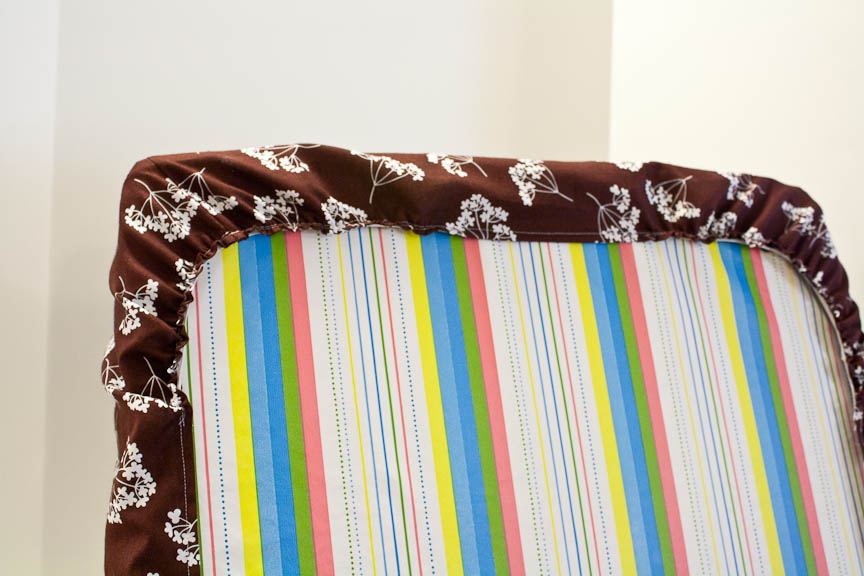
Sew your own fitted crib sheets
Sew a onesie from a t-shirt
Sew a printer cozy
Upholster a padded stool
Turn a dress shirt into a tote bag
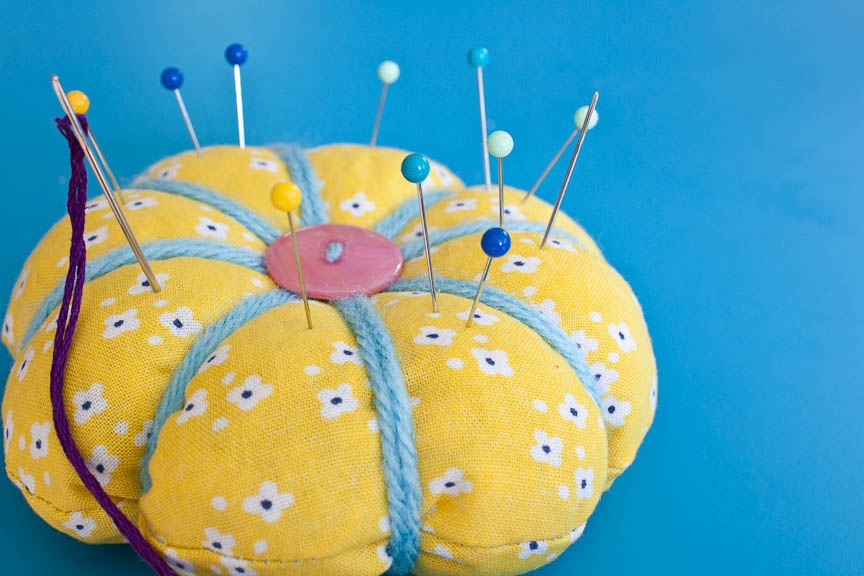
Sew a pin cushion in just 30 minutes
How to make salmon caviar
How to sew a tea wallet
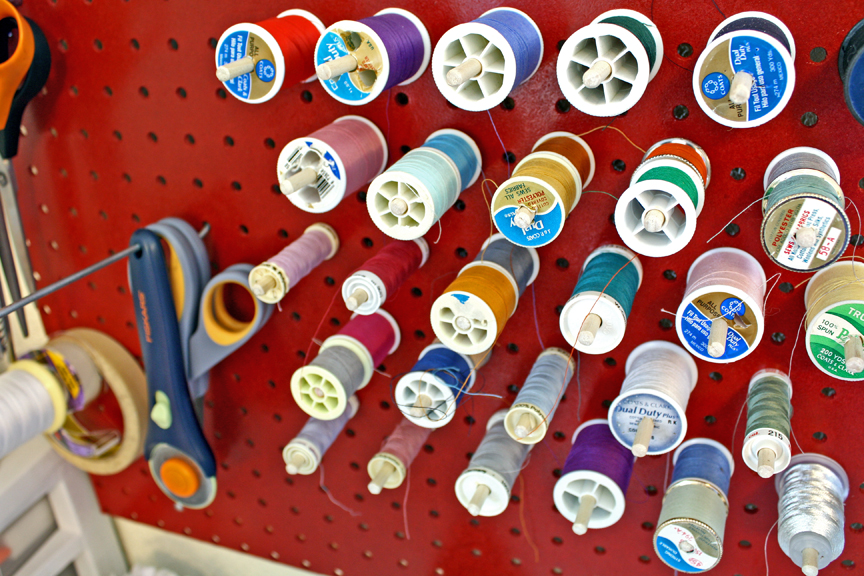
Make a thread and scissor rack
How to make a boutonniere
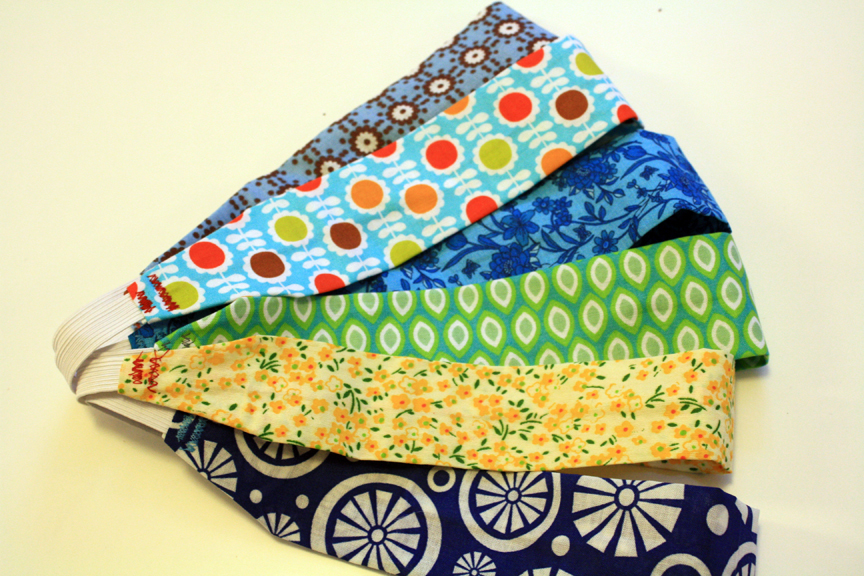
Sew a quick fabric headband

Hooded Baby Towel and Mitt Set — A Tutorial

Our son is a tall little fellow and store bought hooded towels are too short for him. I want him to be bundled up and cozy after a bath so I decided to make my own hooded towel out of a plush bath towel.

He’s not too sure about this bath thing…

Here’s how you can make one too.

Materials:
1 large towel
Sewing machine
Heavy duty needle (optional, but makes the job easier)
Fabric scissors or rotary cutter

Directions:

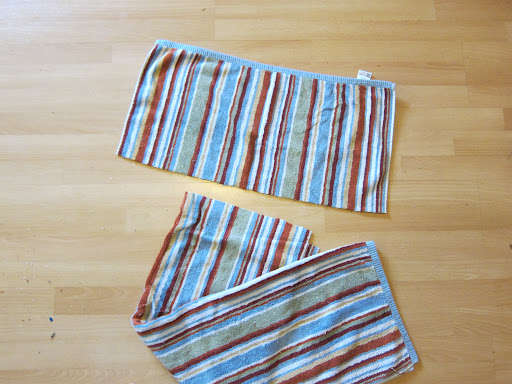
1. Fold your towel lengthwise or “hot dog” style. Cut a 12 to 14-inch piece from one end.

2. Turn under the raw edge of the big piece and pin in place. With a straight stitch sew across. Go back along this seam with a zig zag to prevent the towel from unravelling. Since my towel had stripes I didn’t pin. I just made sure the stripes lined up.

3. Take the big piece and line up one corner on top of the 12-inch piece with the finished edge of the small piece on the bottom. The finished edge is going to be the edge of the hood. You’re going to cut a triangle form the little piece so you want to make sure it’s the right shape of triangle. I eyeballed how big to make the triangle. I just imagined it as the hood and how big my baby’s head is.

4. Cut out the two edges of the triangle and pin it to the corner of the big piece. Save the scraps.

5. Sew along the two edges with a straight stitch.

6. Turn the triangle inside out and there’s your hooded towel!

For the mitt:

1. Place your hand on the scrap of towel to figure out how tall you want your mitt. Fold your scrap in half and cut out a rectangle with one side being on the fold.

2. Unfold your rectangle and turn under one of the long edges and sew down.

3. Fold the rectangle in half with the turned under edge on the outside (right sides together) and sew the raw edges.

4. Turn right side out and there’s your mitt!

How to Sew Your Own Cloth Diaper Wet Bag

Ok, I’m gearing up for baby time. I’ve decided to embrace the cloth diaper concept and I have nearly everything I need. Upon doing research on how to clean cloth diapers, I discovered that I’ll need some sort of receptacle to store the soiled nappies between washes. My mom suggested just using plastic bags, but that seems wasteful. When I looked online I found lots of different brands of cloth diaper wet bags, but they were about $20-40 for the size I was looking for. I took to Esty and found some really cute ones, but again the price was too much for me to justify. I mean, really, it’s just a simple bag.  Why not make one myself?

So I did.

It’s definitely not professional, but I think it will do the trick and it only cost about $5 to make.

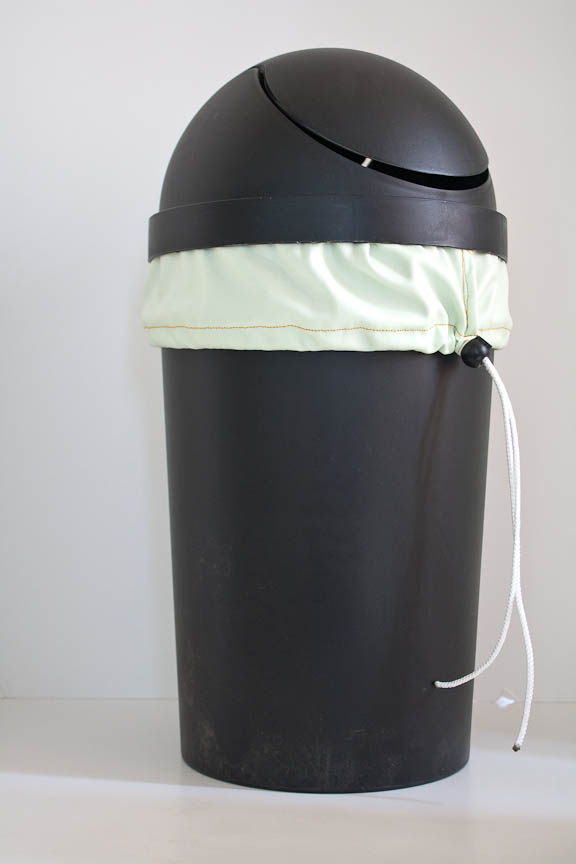
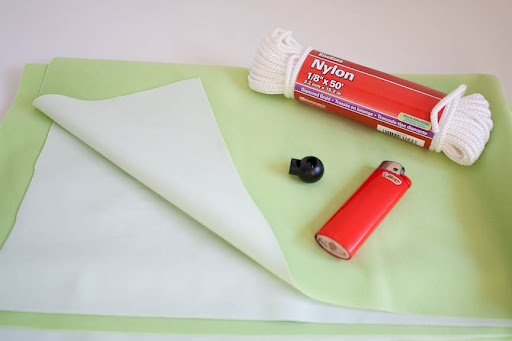
You can make one too. Here’s what you need to make two wet bags:

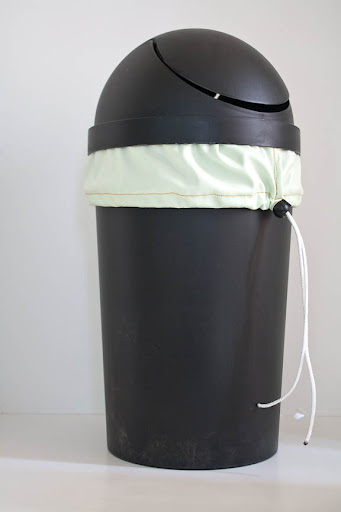
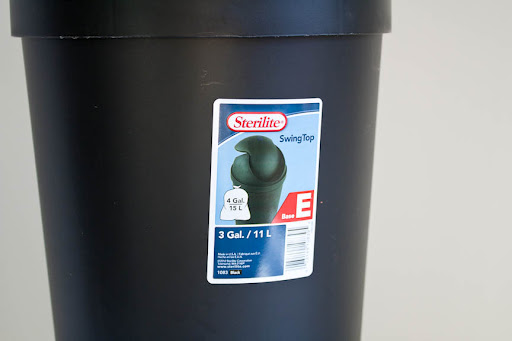
A 3-gallon trash can with a lid
3/4 yard of PUL fabric (It was in a special cloth diaper section at Jo-Ann’s)
Nylon cording (cheap, in the hardware section of the grocery store)
2 cord stops (found in the notions section at Jo-Ann’s)
a safety pin
a lighter
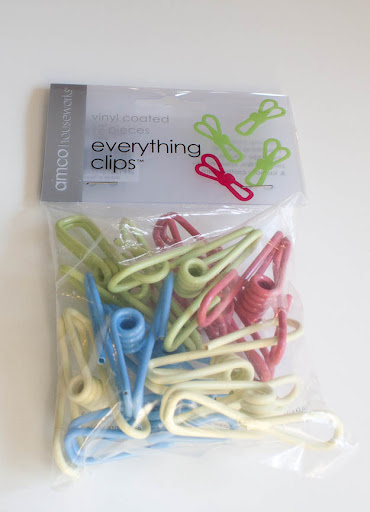
bag clips (so you don’t penetrate the waterproof fabric while you hold it in place)

Please note: you may need a different amount of PUL fabric depending on the size of the trash can you purchase.

1. Measure your trash can around. Mine was 28 inches so I decided to make my bag 32 inches wide. I learned the hard way after my first attempt at making a bag that deeper is better, so although my can is only 14 inches deep, I made my bag 25 inches to leave room for the casing and to be able to fold it over the side of the can to hold it in place. End measurement: 32″x25″.

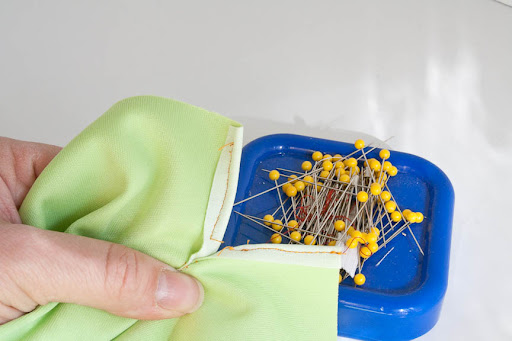
2. I made French seams so that the bag would be more waterproof. Pin the 25-inch seam together RIGHT SIDE OUT and sew using a very narrow seam allowance — less than 1/4 inch. Leave two inches unsewn at the end. This will be the top of the bag because you’ll need the sides free for the casing and cord.

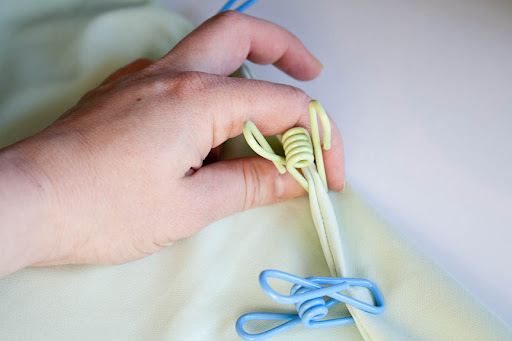
3. Turn the tube inside out and using the bag clips, clip the seam to hold it in place. You are essentially pinning it in place but without having to penetrate the waterproof fabric.

4. Sew along the side again, this time leaving about a 1/2-inch seam allowance, again leaving the top two inches unsewn. Pull the fabric slightly as you go. It’s a little sticky and has a hard time feeding itself through, at least with my machine.

5. Do steps 2 and 3 with the bottom edge. You should now have something that looks like a bag.

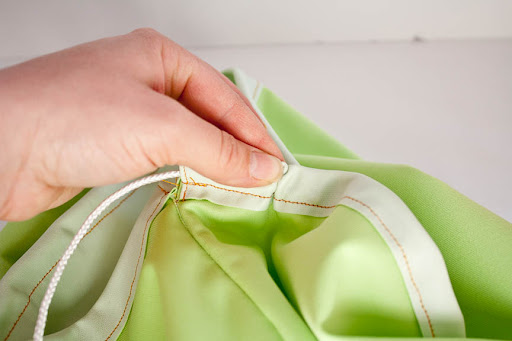
6. Now here’s the kind of ghetto part, but I don’t really care. With the bag right-side out, turn in the unsewn edges of the top and sew them down. This will ensure you don’t have any raw edges for the cord to fray up.

7. Turn down the top edge and pin in place, making a 1-inch casing. Sew all the way around the top of the bag. The wider the casing, the easier it is for the cord to move around. If you wanted this to look more professional you could turn down the top edge just a little bit and then turn it down again to make the 1-inch casing so you don’t have any raw edges at all. I just really don’t care that much!

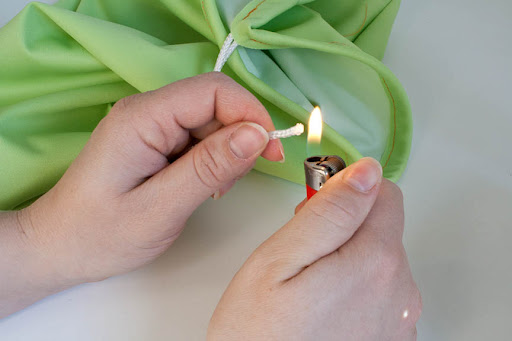
8. Attach a safety pin to one end of the nylon cord and feed it through the casing. Leave about 6 inches of cord on either end. Use a lighter to melt the ends of the nylon cord to prevent fraying.

9. Thread the two ends through the cord stop.

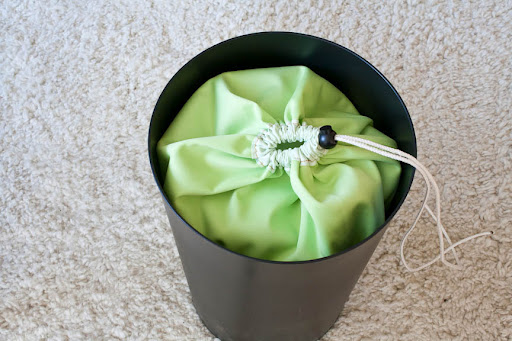
10. Place your new bag in the trash can and wrap the edge of the bag around the can. Use the cord stop to hold the drawstring in place around the can.

11. If your pail starts to get stinky just drawstring the bag so odors won’t escape as easily. When it’s time do to a wash, just turn the bag inside out as you dump the diapers in the washer and toss the bag in with the wash. The PUL fabric can be washed and dried just like the diapers.

So we’ll see how well this holds up. At least I saved a bunch of money by making it myself and that makes me feel goooooooooood!

Long-sleeved Tee Becomes Baby Long Johns

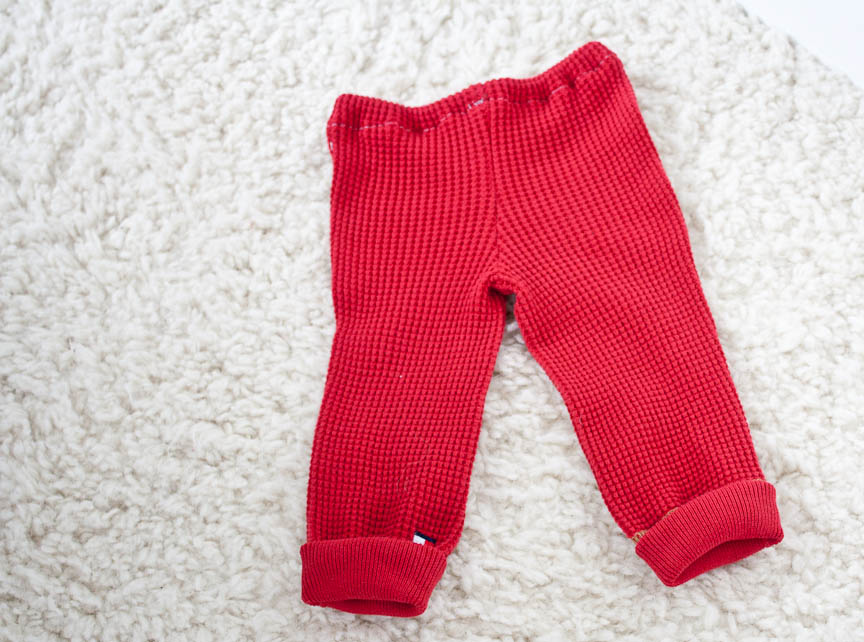
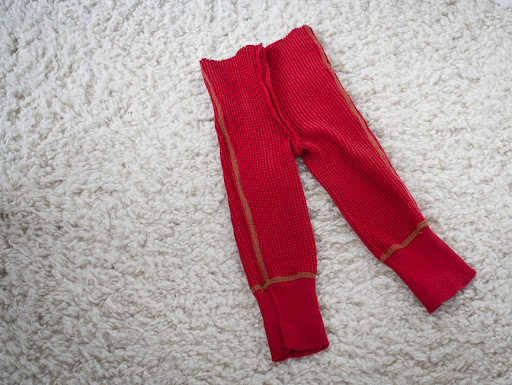
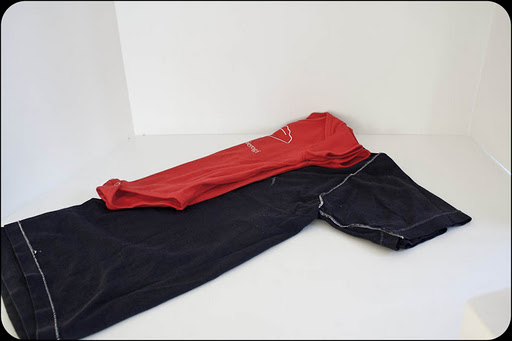
I’m a short-attention-span crafter. Making ten-minute baby pants is like instant gratification. When I found a long-sleeved waffle Tommy Hilfiger shirt being given away, I instantly saw its potential — baby long johns!

I didn’t use a pattern, but I based my creation on this pattern here. I just eyeballed it, but I’ll give you a step-by-step. What’s nice about making pants out of shirt sleeves is there’s already a cuff so you don’t have to turn anything under and you don’t have to sew any inseams.

The material is super stretchy, so I think they will fit for a long time.

Materials:
One adult long-sleeved t-shirt that’s either stretchy or has wide sleeves.
Narrow elastic
Safety pin
Sewing machine
fabric scissors

Directions:
First, cut off the sleeves at the shoulders. It doesn’t have to be exact.

Once the sleeves are trimmed, cut the tops of the sleeves straight across so each sleeve (now we’ll call them legs) measures about 18 inches.

I then cut the crotch part out of each leg, starting about 7.5 inches down from the top of each leg.

I just eyeballed one leg and then laid it on top of the other leg and used it as a guideline for cutting the other.

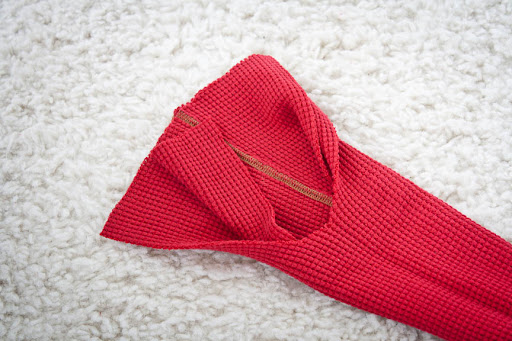
Then, turn one leg inside out. Slip the right-side out leg inside the inside-out leg and match them up at the crotch.

Now, sew the raw edges of the curved part together. This is the rise/crotch of the pant. Pull the inside leg out so the pants are now inside-out. They should pretty much look like the finished product, but with a raw edge at the waist.

Now, turn down the waist wide enough for the elastic to easily be fed through it, about an inch. Sew all the way around, but leave a gap so you can feed in the elastic.

Pin the safety pin to the end of the elastic and feed it through the waistband area, being sure not to twist it.

When the elastic is fed all the way around, play with the length till you feel it’s good. I didn’t measure the length of the elastic. I just cut it where I thought it seemed best and sewed one end of the elastic on top of the other.

Finally sew up the gap of the waistband.

Ta-da!

Cute Cute Cute

Stylin’

Make Your Own Fitted Crib Sheet

My husband and I are putting together the baby room. We’ve got shelves, a bassinet, a comfy chair, a cradle and as of last week, the crib that all four of the children in my family used. It’s a gorgeous maple crib made in Sweden in 1971. My father bought it in England when he was going to school there before my brother was born.

I love being able to use family heirlooms. Our family doesn’t go very far back so means even more to me to keep things that have history.

I soon discovered the downside to this priceless piece of furniture when we tried to find a sheet at Babies R Us. Looks as though the crib mattress (which thankfully is in pristine condition) is an irregular size and stores just don’t carry a fitted sheet in its dimensions.

So let’s sew one! It was pretty easy. The hardest part was cutting, honestly.  Here’s how to make a fitted sheet for your crib mattress.

Materials:
Two yards of 100 per cent cotton fabric (length depending on dimensions of mattress)
36 inches of 1/4-inch wide elastic
Iron

Directions:

Prewash your fabric to make sure it’s preshrunk.

Measure your mattress’ width, length and depth. Ours was 23″x48″x4″. I decided I wanted the sheet to wrap around the mattress by three inches, making the depth of the sheet 7 inches. I didn’t take into account seam allowance and hem, but it seemed to work out just fine for me. You may want to consider adding 3.5 or 4 inches to the depth to compensate.

Since the depth on each side of the sheet will be 7 inches, I added that length to each side of the sheet, or rather, added 14 inches to the width and the length, thus making the dimension of my sheet 37″x62″.

Cut your fabric to the proper dimensions.

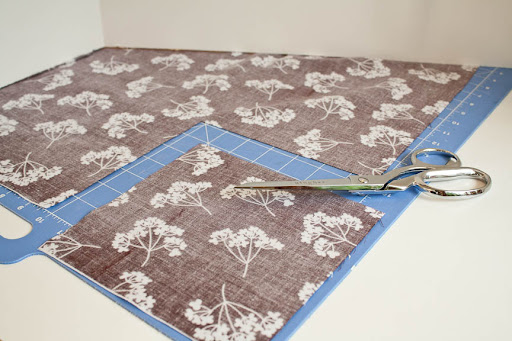
Cut 7″x7″ squares out of each corner of the fabric. Discard the cut squares.

Turn under and iron the edges of the sheet. Turn under and iron again so you have no raw edges. Pin and sew hem on all sides.

In the areas you cut out the squares, pin the fabric right sides together where the raw edges still are. Sew each corner. You should now have a somewhat baggy fitted sheet.

Place on the mattress to make sure it’s a good fit. If it’s too baggy, increase the seam allowance of all four corner seams.

Next, cut your elastic into four 9-inch lengths. Find the center of one piece of elastic and line it up with one of the corner seams. Pin or hold in place. While holding or pinning the middle part of the elastic to the hem, stretch the elastic on the right edge as far as it will go and mark where the end of the elastic hits on the inside of the hem. This is where you’ll start sewing the elastic.

Sew elastic in place and backstitch. Now stretch the elastic along the edge while you’re sewing. The fabric should ripple up behind the sewing machine foot as you sew. Sew the length of the elastic, stretching it all the while. When you get to the end, backstitch in place.

Repeat this for the three other corners.

That’s it! It’s not quite as snug as a store bought sheet, but it does the job and you can pick whatever fabric you want.

T-shirt Onesie — A Tutorial

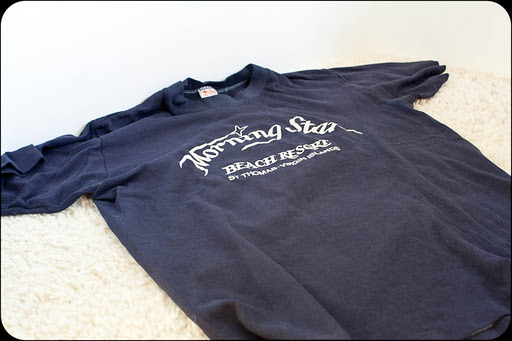
I’ve been in full baby crafting gear lately. Last night I sewed a couple of little pants and I’ve been tinkering with the idea of making a onesie out of an old T-shirt. I have a special one in mind, but I thought I should test it out on a junker first. Success!

It was about a 45-minute project. And here’s how I made it:

Materials:
A small adult T-shirt, or a child’s size shirt
A store-bought onesie (to use as a guide)
Velcro (the kind you have to sew on, not stick on)
Stretchy materials needle (recommended, but not required)

Directions:

First, turn your T-shirt inside out and fold it in half down the middle. Fold your store-bought onesie in half down the middle and lay it on top of the T-shirt so the collars line up and the shoulders/sleeves run along the top. Cut around the onesie leaving about 1 inch of a border on the sleeves and sides but about 2.5 inches at the bottom crotch area. You should end up with one piece of fabric where the front and back are connected at the collar/shoulder/sleeve area.

Trim the sleeve edges how you prefer. The sleeves just happened to end up right where the big shirt sleeve began so there was a sewn edge that made it easy to trim.

Turn under the edges of the legs (there should be four of them) and sew in place. This looks pretty rough since I didn’t have a mini screwdriver to install my stretch needle. When you sew jersey be sure you stretch it out as you’re sewing it so there is give to the seams.

Sew along the sleeves and sides of onesie using a half-inch salvage.

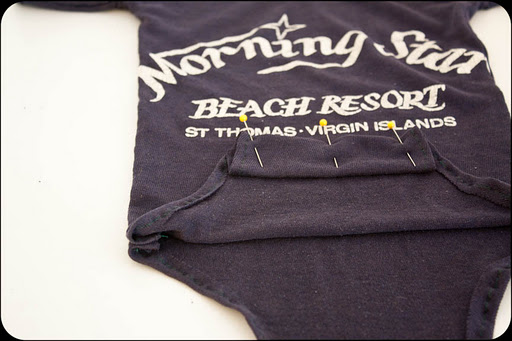
Turn right-side out and turn under the bottom crotch flap of the front twice over. This will add extra thickness to better stabilize the velcro. Pin and sew in place.

Next, turn up the bottom crotch flap of the back, but just once over. You want the back flap to be about two inches longer than the front flap once the edges are turned under. Pin and sew in place.

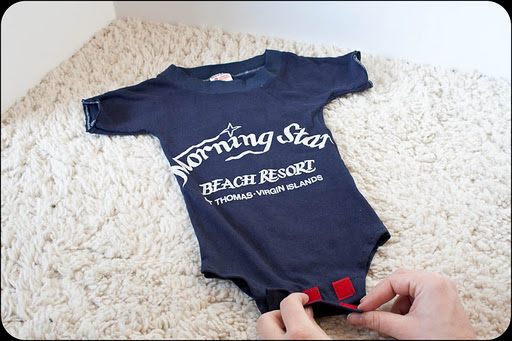
I chose to use three squares of velcro, but a strip would work also. Sew the softer side of the velcro to the wrong side of the back flap. Sew the rougher strip of velcro to the RIGHT SIDE of the front flap.

And there ya have it — a make-your-own onesie. This would be a fun project if you had a sports team T-shirt or a TUXEDO T-shirt, which is the reason I wanted to try this out. Stay tuned for my tuxedo onesie in the next couple of weeks.

And, as always, please contact me if part of this tutorial isn’t clear.

Printer Cozy — A Tutorial

I’m trying to streamline our living room and I’m almost there. We’ve got the bookshelves organized, video games stashed away and pretty accoutrements scattering the room. The one big eyesore is the printer. It’s this boxy plastic thing that makes me cringe when I look at how sleek the rest of the room is.

So I actually made a cozy for it. I’ve never been a big fan of cozies — tea, blender and the like — but this printer needed one. I didn’t use a pattern and I just followed my sewing instincts. I have to toot my own horn here. It turned out just great!

Here’s how I constructed it.

Step 1: Measure all the sides of the printer. The paper tray on ours can’t be removed so I made sure to measure how far it sticks out. I decided to have one panel for the top and front of the printer and one panel to go around the sides and back of printer. Then there were two triangular areas where tray sticks out from the front so I had to figure out the measurements of that.

I added an inch to each measurement for selvedge. The top front panel was 21.5 inches in length by 20 inches in width. The sides and back were 40.5 inches in length and 11 inches in height. The printer tray stuck out 5.5 inches (6.5 with selvedge) and the height was 10 inches (11 with selvedge). I made a triangle where one side was 6.5 inches and the other side was 11. Then I connected those sides to complete the triangle. I think it was around 12.5 inches.  Whew! That’s a lot of measurements! Here’s a visual:

Squarish panel is the top/front, rectangle is the side/back/side

Make two triangles, but be sure one is cut on the right side and the other on the wrong side.

Step 2: I pinned all the pieces together to see that it would fit properly around the printer. When pinned altogether it should look like an inside-out cozy.

This is before I realized I needed the triangle panels

With triangle panels

Step 3: Sew the long side of the triangles (the one with the 90-degree angle to the short side) to the edges of the side panels. Iron seams flat.

Triangles sewn!

Step 4: Pin the side panel to the top/front panel. Again, it should now look like an inside-out cozy.

Step 5: Sew along the longest side of the triangle and all around the pinned edge. You’re almost done! I had one side of my triangle that didn’t quite match up so I just trimmed it so it was flush with the edge of the cozy.

Step 6: Turn up the raw edge and iron. I placed the cozy inside-out on the printer to see if I had enough length to fold the hem up again so there weren’t any raw edges along the hem, but I didn’t, so I just made do. Sew along the hem.

Step 7: Iron all the sides right-side-out so it makes a box shape. Place on top of your printer. Yay, hidden printer!

Please let me know if you have any questions about making this project, as I’ve never tried to explain such a thing.

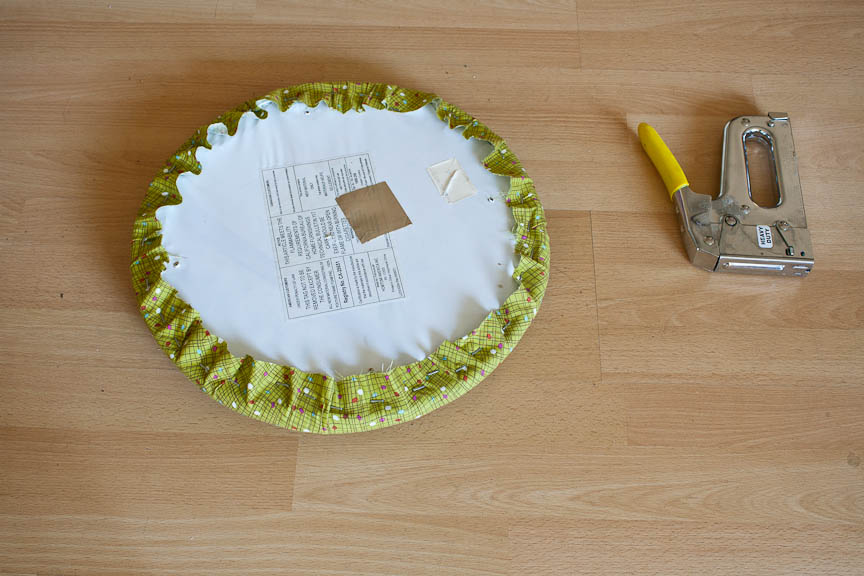
How to Upholster a Padded Stool

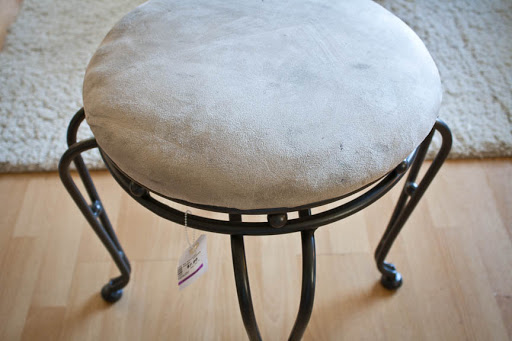
Take a thrift store padded stool and a scrap of fabric and in just a few minutes you’ll have a transformed piece of furniture that’s worthy of your home!

Here’s how.

What you’ll need:
A padded, fabric-covered stool
A piece of awesome fabric that’s a big bigger than the seat of the stool
Screwdriver
Staplegun

Bone color — how neutral!

Directions:

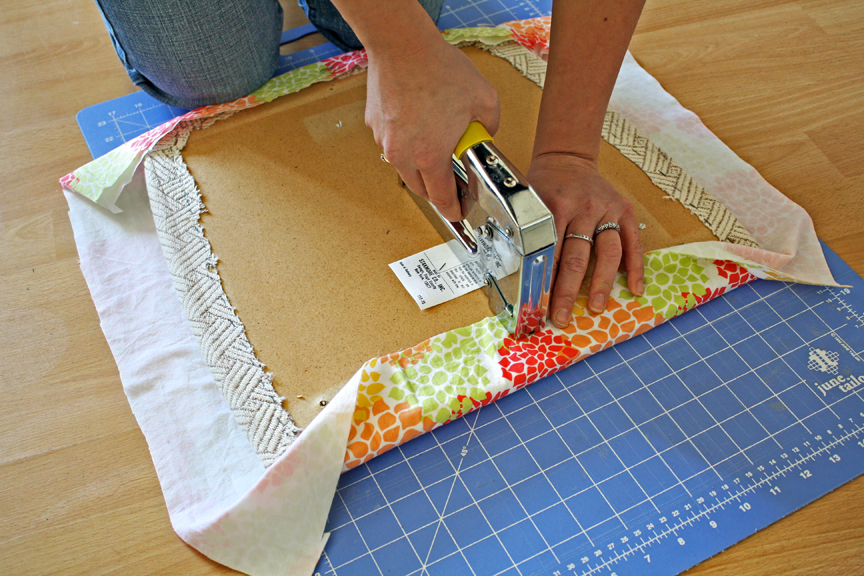
  • First, remove the screws from the stool and set them aside. The seat should easily separate from the frame.
  • Place the seat, padding side down, onto the wrong side of your fabric and cut cut around the cushion leaving about two inches of room. Just make sure there is enough extra fabric to wrap around the cushion on all sides.
  • Make sure your fabric is flat and there are no wrinkles. Staple four edges in place and then start working around the cushion, making gathers if necessary. 
  • Staple all around, double checking the top of the cushion every so often to make sure there are no wrinkles. 
  • Trim any excess fabric.
  • Screw the cushion back onto the frame.

Pizazz!

Ta-da! Ten minute project. The best kind.
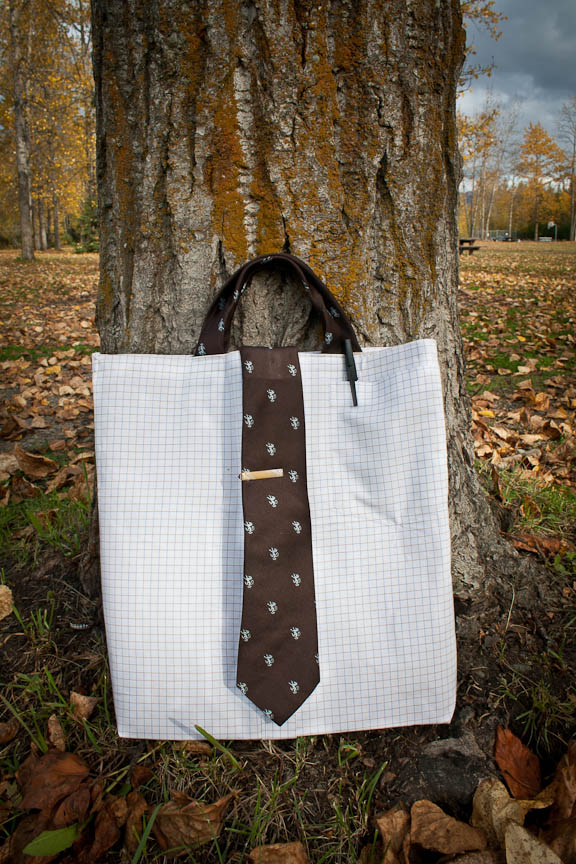
Dress Shirt Tote Bag — Tutorial

I just nearly had a heart attack. I went to log in to my blog and it said it had been deleted. Somehow, though it was miraculously restored without any effort, so I’m back on track!

My husband decided to get rid of about 30 dress shirts the other day. I knew crafts were in the making, I just had to decide what craft.
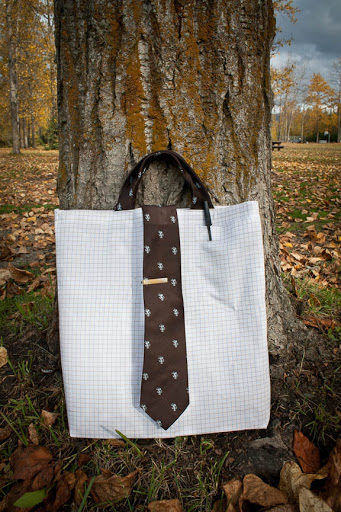
Tote bag!
And here’s how to make it.
Ingredients:
1 large dress shirt
lining fabric, about 1/2 yard
stiff iron-on interfacing
necktie
Directions:
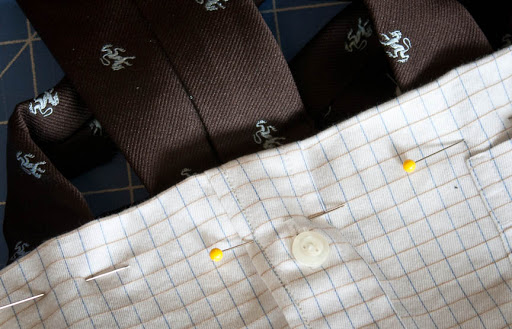
  • Sew the middle of the shirt down so the buttons are in place. There is already a seam to follow, so try to sew on top of that with matching thread. Once you’ve sewed this, you will be unable to unbutton the shirt.
  • Cut your lining fabric into two 15×16-inch rectangles.
  • Do the same for the dress shirt, but you may have to cut them separately since sometimes there are pleats on the top of the back. I made sure the buttons were in the center of the rectangle — so at 7.5 inches. I also had to cut the back rectangle way low on the shirt because there were pleats.
  • Cut the interfacing about 14.25×16.25 inches. It doesn’t have to be exact.
  • Iron the interfacing to the wrong side of the dress shirt material. 
  • Iron down the top edge of the exterior and lining about an inch.
  • Pin the dress shirt material right sides together and sew the sides and bottom. Do the same for the lining.
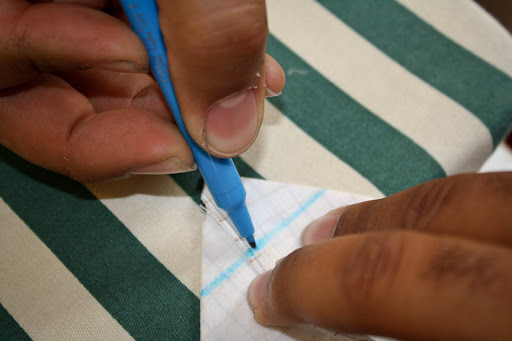
  • If you’d like your bag to have a flat bottom, then open up the corners of the bottom and iron flat. Then measure about an inch up from the corner and draw a line. Pin the corner down and sew along the line. Then trim the corner off. I turned mine right side out to make sure I sewed them correctly and one of them was actually longer than the other, so I just resewed the short one a little bit higher and it came out just right.
  • Sew the edges and bottom of the lining this way too.
  • Now, turn the exterior right side out and slip the lining inside it, keeping the lining inside out.
  • Pin the top edges in place all around, making sure the lining doesn’t stick out above the exterior.
  • Now you’re going to measure your necktie handles. My husband wanted short handles so I let him figure out the length and had him add 1.5 inches on each end. When he gave me his preferred length I just cut another bit of the tie the same length. One strap will probably be wider than the other because the tie is tapered, but that’s OK by me. I think it’s cool.
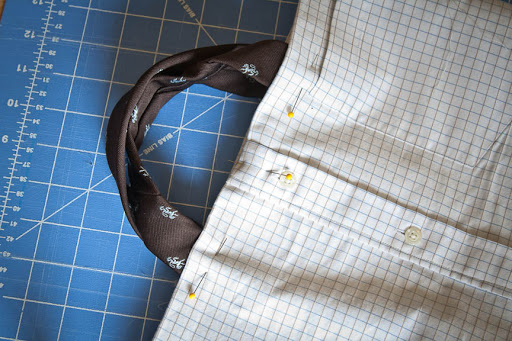
  • I measured two inches outward from the buttons and pinned my handles in place. Nestle the edge of the handle between the lining and the exterior fabric so you can’t see any raw edge. Pin it in place near the edge.
  • Stephen also wanted the neck tie to come out of the top and be loose, like the tote back is wearing the tie. I had him measure how long he wanted the tie to fall and then added about 2 inches. Pin it in place so the edge of the tie sticks up. This way, when we sew, the tie can flip down over the seam and hide it.
  • Sew all the way around the top of the bag, leaving about a one-inch seam allowance. Remove all pins and sew another seam around the top, very close to the edge.
  • Stephen wanted to use a tie clip so I used a seam ripper to make a hole where he wanted to put the clip.