Category Archives: alaska

Late Summer Alaska Wedding

My little sister’s best friend from childhood got married last Saturday in Talkeetna, Alaska. Talkeetna is considered “the country” of south central Alaska. They have a bluegrass festival each year. People have cabins and fish in the Susitna River. As my dad describes it, “It’s a funky hippy town.”

It was a last-minute wedding and the bride asked me last minute to do the flowers on the cheap. That’s my specialty, so it was my pleasure to see what I could whip up. Her colors were blue so I decided on orange and white for the floral arrangements.

 But before I made it to the floral shop I decided to stick to the bride’s Alaska roots and gather the flora and fauna of our childhood neighborhood. I decided on wild yarrow for arrangement filler. Alder and birch sprigs and wild ferns were the greens. The mountain ash is setting into fall mode with clusters of bright red berries.

The biggest treat was the pink yarrow that has grown in the same spot every year across the street from my parents’ house. Nowhere else have I seen wild pink yarrow and it was perfect for the bridesmaids’ bouquets and mother corsages.
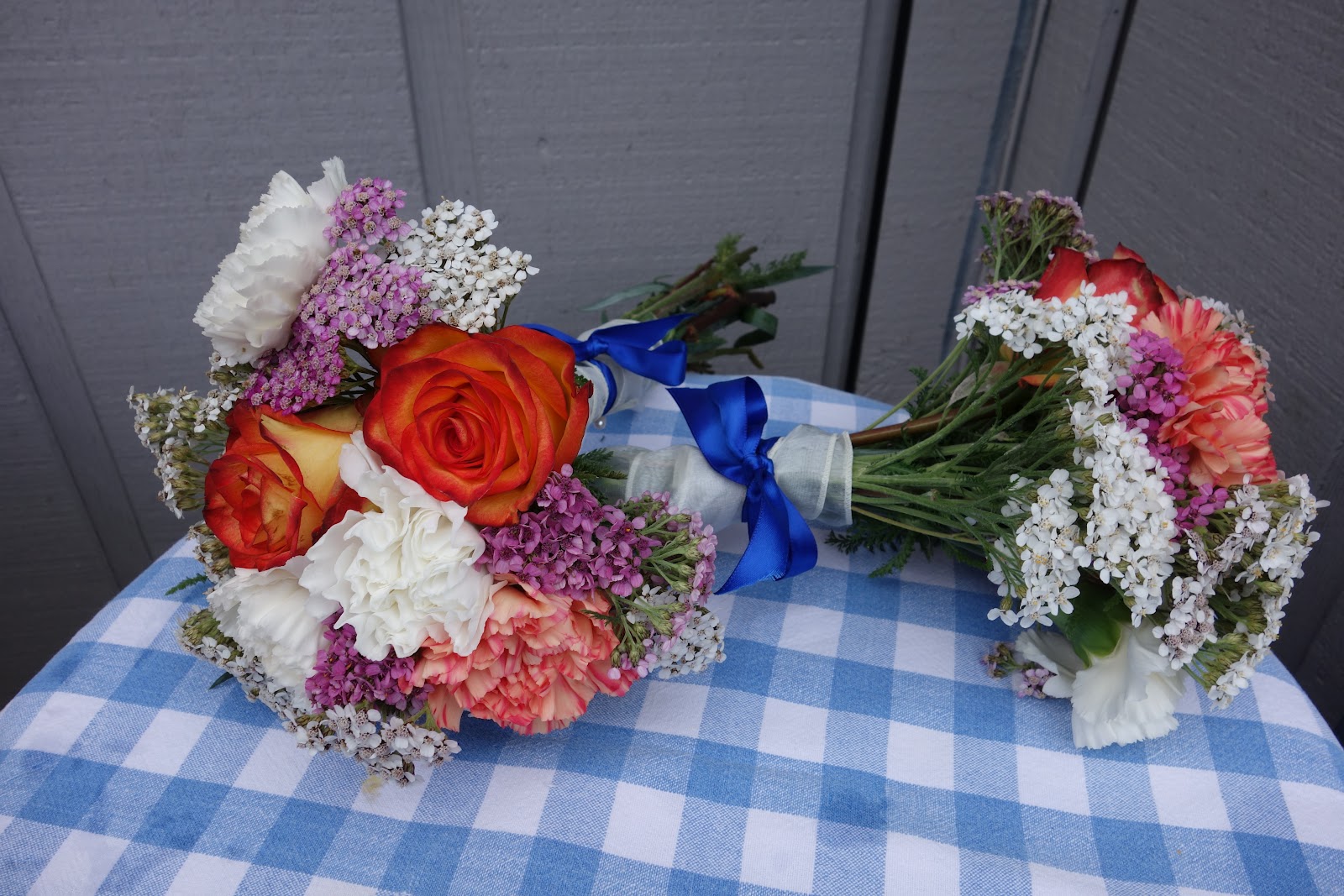
I snagged wild forget-me-nots from my parents’ back yard and little sprigs of plants I don’t know the name of from around the street we grew up on.

The biggest benefit to using wildflowers? Free! I saved the bride a lot of money by using plants in our back yard.

At the flower shop there weren’t many stunning blue flowers that were sturdy and affordable, so I decided on orange and white carnations with orange roses. Orange is complementary to blue so it’s really a great combination. An unusual combo is orange and pink, but I really love them together in the bridal arrangements.
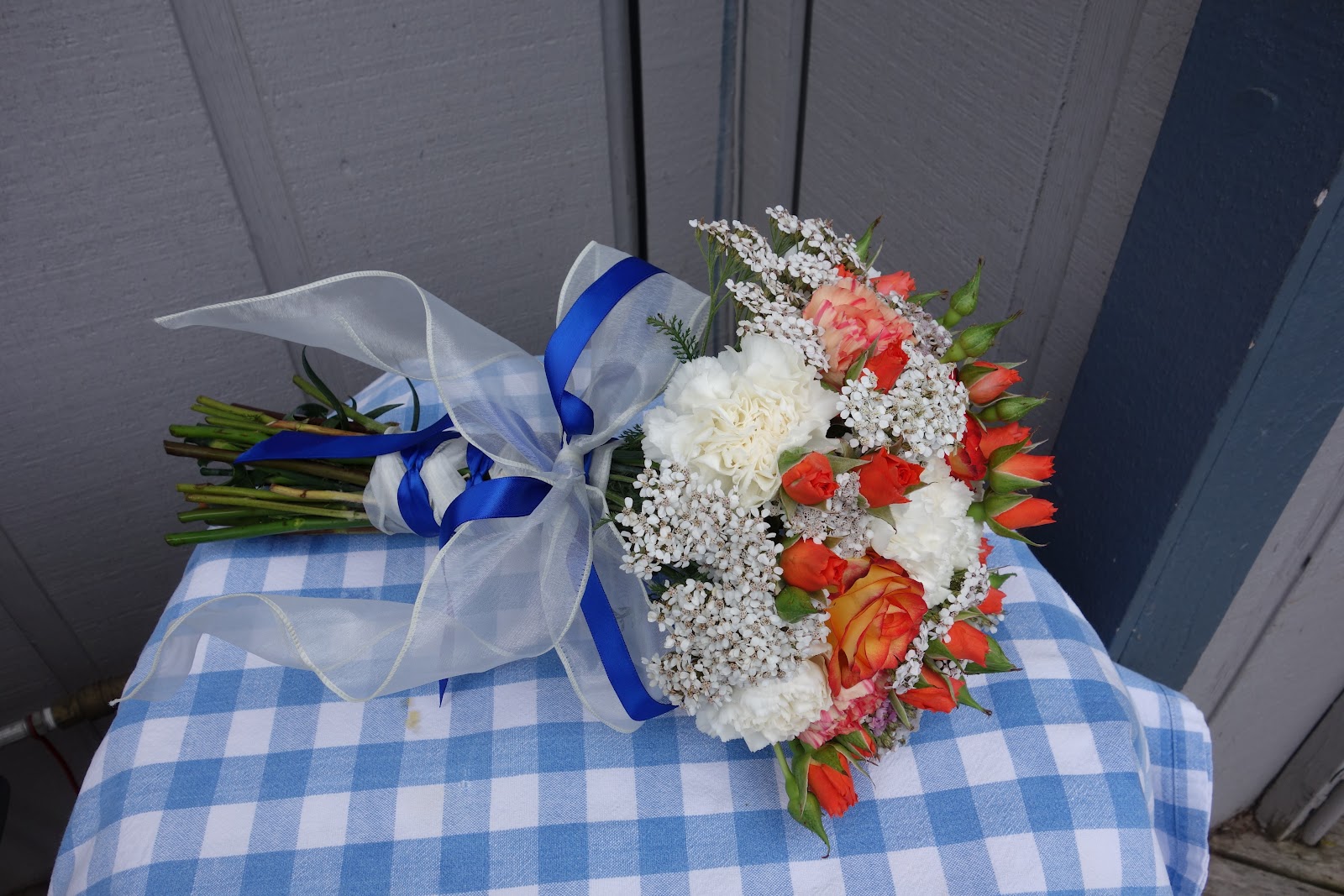
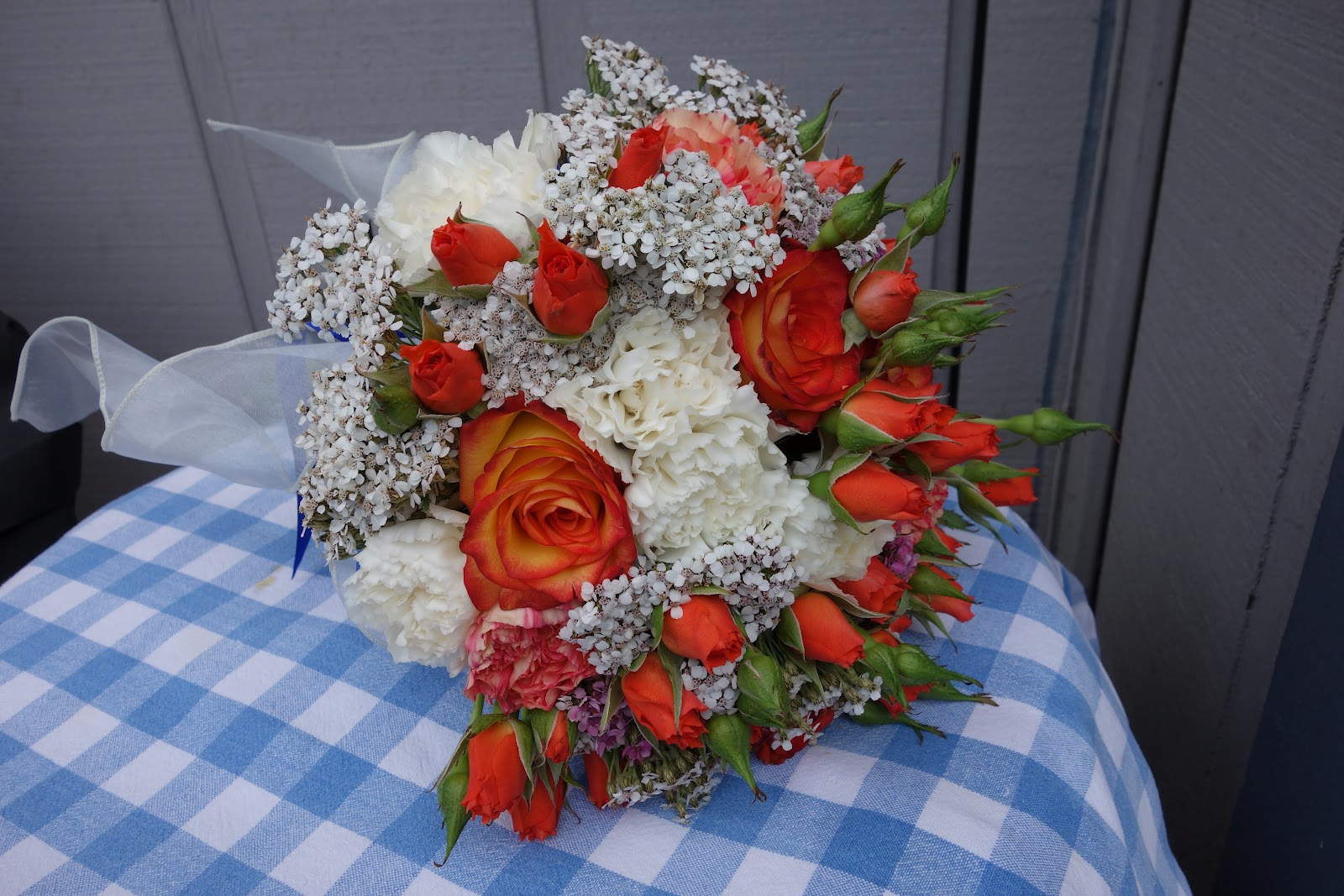
For $90 I got 26 roses, 60 carnations, a bunch of spray roses (the mini ones), and a bag of flower petals for the flower girl. Keep in mind we live in Alaska so prices are higher.

Happy bride and happy groom.

Cooking with Fiddlehead Ferns

I was at my friend Faon’s place the other night and she asked me if I knew how to cook fiddlehead ferns. I consider myself a bit of a connaisseur when it comes to Alaskan wilderness edibles, but I’d never attempted  picking or cooking fiddlehead ferns.

This is the time of year to pick ferns in Alaska — right when they are unfurling their spiral tendrils from the previous years’ mound of dead fern. Just snap them off at the base of the stem like asparagus.

Here is a photo of some ferns in Kodiak in June.

You should pick fiddlehead ferns when they are even shorter and more coiled up than these ones. This is just the only photo I happen to have. The ones we picked didn’t have any leaves sticking out yet and they were about five inches tall.

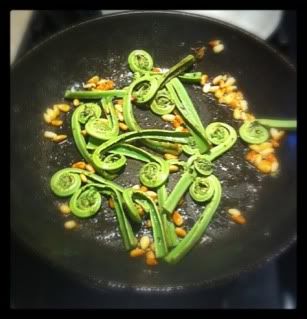
Faon and I decided to serve them at my parents’ house this evening. They were surprisingly delicious. For some reason I expected them to be tough and bitter like rhubarb, but they were tender and flavorful like asparagus.

We first blanched them and then sauteed them in garlic oil with roasted pine nuts and fresh oregano.

First, I’ll tell you how to make garlic olive oil

Ingredients:
40 cloves of garlic, peeled.
1 litre of olive oil

Directions:
Cut each clove of garlic in half. Place in a large jar or sealable container. Fill container with olive oil. Cover and let sit 10-14 days at room temperature. Remove the garlic cloves and either toss them or use them in focaccia bread or pizza.
If you don’t have time to make garlic olive oil, the fern recipe could be altered by first sauteing a few garlic cloves in the olive oil before adding the pine nuts and oregano.

Ingredients:
15-20 fiddlehead ferns, rinsed in cold water
2 Tbs. garlic olive oil
1 Tbs. fresh oregano, chopped
2 Tbs. pine nuts
salt

Directions:
Trim the ends off of each fern and pull off any fuzzy leafy bits in the spirals.
Prepare a bowl with ice and cold water and set by the stove.
Heavily salt a medium pot of water and bring to a boil. When water is boiling, toss in the ferns and boil for four minutes.
Meanwhile, heat a small saute pan with the olive oil. Add the oregano and the pine nuts and brown the pine nuts over low heat.
When the ferns are done boiling, add them to the ice bath. Gently dry off ferns with a paper towel.
When the pine nuts are brown, toss in the ferns until they are heated through. Sprinkle with salt and serve.

Little Orange Jewels

It’s that time of year again when my family’s home is filled with the scent of smoked fish. This smell instantly transports me to my childhood summers with endless days of light, playing in our enchanted woods out back and downing smoked salmon like it was candy.

Each year my father buys fresh king salmon, cleans it on top of the hot tub on the deck, fillets it and smokes it to perfection. The added bonus to his smoked salmon is silky, salty roe. As a child, the thought of eating salmon eggs was beyond revolting, but recently my adult tastes can’t seem to get enough.

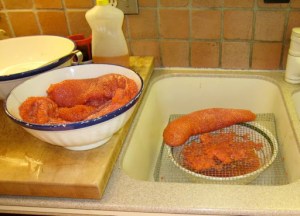
Preparing the roe is simple. You’ll need a piece of 1/4-inch wire mesh grate. It looks like really small chicken wire. The holes need to be about the size of the salmon eggs. You can find it at any hardware store.

Here’s how my father does it:

Remove roe from female fish. Push the roe through the mesh grate using your hands. Doing this will remove the membrane from the eggs.

Prepare a bowl of very cold water that is super saturated with non-iodized salt. This is a basic brine.

Pour the separated eggs into the bowl of brine. Stir occasionally. Depending on the species of salmon (that is, the size of the eggs) they will be ready in 15-30 minutes. Start checking them at 15 minutes by removing a tablespoon of eggs, placing them in a tiny mesh strainer, rinsing off the salt with cold water and tasting them. When they are salty enough for your satisfaction they are done. If too salty, pour the eggs into a bowl of unsalted cold water, which will reverse the process, and de-salt the eggs.

When the eggs are ready to your taste pour them into a large strainer, and rinse them for a minute or two with cold water spray from your kitchen sink, turning the eggs over several times with your hands to remove excess salt.

Take the strainer with the eggs and place it in a large bowl, which has an inverted small saucer in the bottom to keep the strainer from touching the bottom of the bowl. Fill a gallon Ziploc bag with cold water, and put the bag on top of the strainer and put it in the fridge overnight or for 12 hours. This will remove excess water and compress the product.

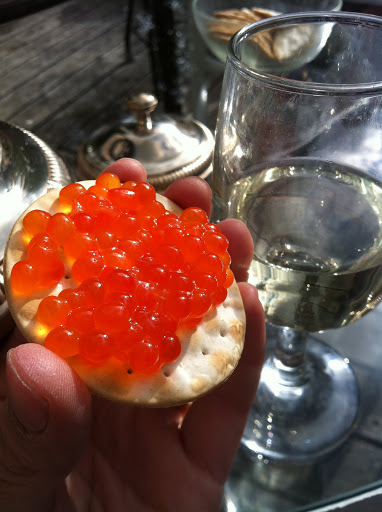
Place roe into jars and serve with Carr’s crackers and chilled white wine.

Mom enjoying king salmon roe

Meet the Jays

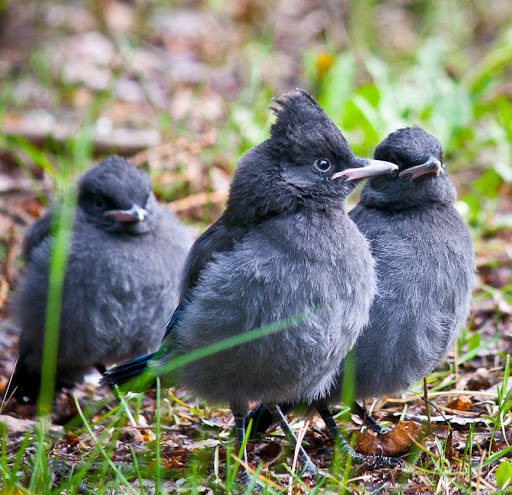
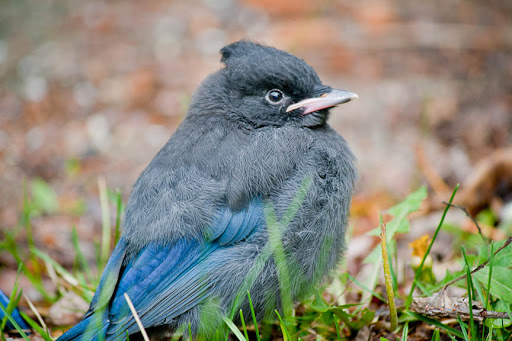
Last week as I was washing the dishes, I glanced out of the window and saw a big Steller’s jay at the bird feeder. I’d noticed him hanging around before, so I decided if he lived in our woods that he better have a name. I call him Jasper.

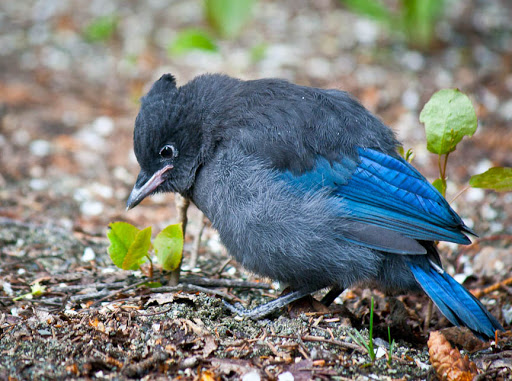
Today as I went to water the garden I noticed a little version of Jasper hopping around my radicchio. At first I thought he was injured, but he seemed to hop around just fine.

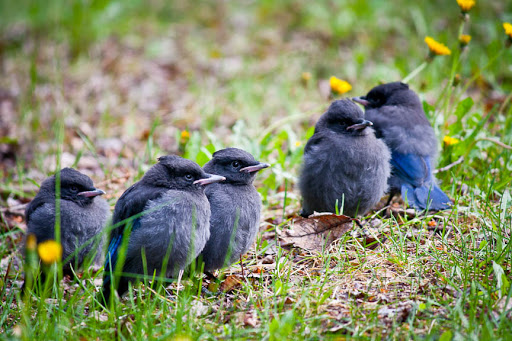
A couple of hours later Stephen went to mow the lawn. He called me outside to show me there were six little jays hopping around the yard.

I love that the Jay family has moved in. I have yet to name all of them, but here are a couple members of the family.

Joey and Josephine

Little Jub Jub

Cooking with Fireweed

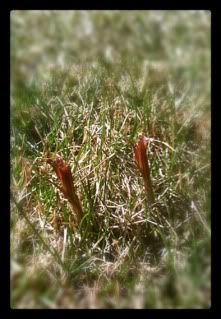
It’s just starting to be spring here in Alaska and that means the fireweed has started to come up. The small reddish shoots are edible, but I’d never actually tried eating them till this week.

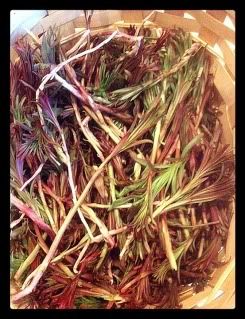
My mom and I went on a fireweed hunt and came back with quite a harvest.

We decided to prepare them as I did the fiddlehead ferns. We blanched them in boiling water for 3 minutes, put them in an ice bath and then sauteed them in garlic olive oil and pine nuts. They were pretty good! Not as tasty as the fiddleheads, but definitely worth the effort.

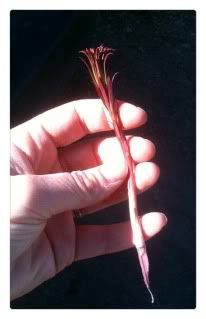
When picking fireweed shoots, try and get as much of the stem as possible, as that’s the tastiest part. I would strip off any big leaves as they tend to be bitter. The bigger the plant the more bitter it tastes, so try and pick ones that haven’t really grown a lot. Here’s a photo.

We rinsed the shoots in cold water and dried them in a salad spinner. We also tossed some into a chicken stir fry. It was a good way to bulk up the stir fry. They looked a little stringy and not too appetizing, but they offered good sustenance.

Beluga Point

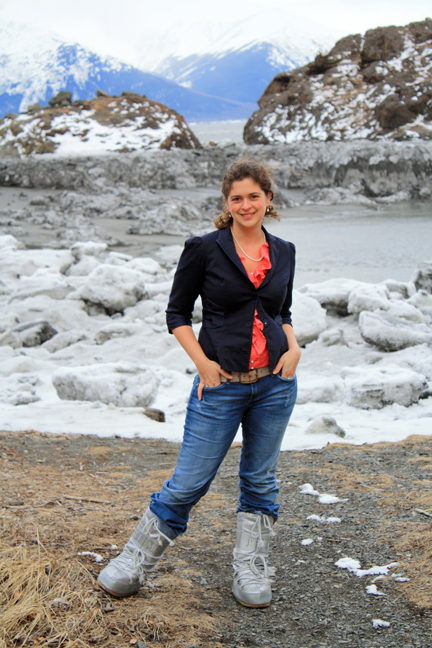
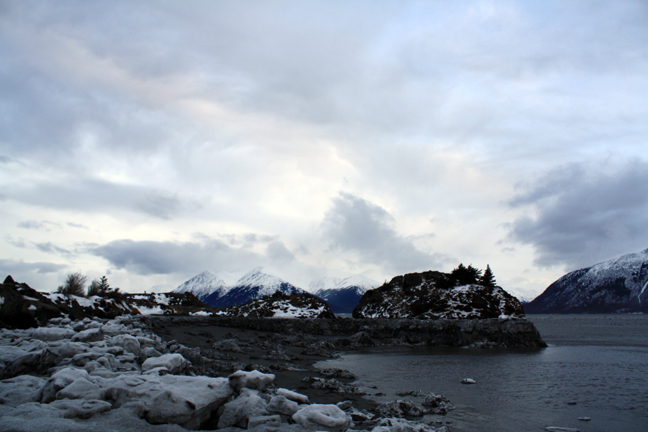
One of the best things about living in Anchorage is you are always merely minutes away from beauty and nature. After dinner last night, Stephen suggested we go for a drive. Fifteen minutes later we pulled off the highway at Beluga Point and enjoyed the scenery. Steve is convinced spring is on its way, but I’m skeptical. We’ve been blessed with clear bright skies for two weeks, but the low clouds have started to set in and I think we’re due for more snow. I can’t wait for break up!